In this post, we are sharing an announcement with you. One of our contributors, Dr. Emilie Calvello Hynes has something to share with you. Here is her message.
Dear all,
The Global Emergency Care Initiative has created and maintained its Emergency Care Pathways since 2018 on AgileMD in collaboration with the African Federation of Emergency Medicine. We have recently updated and expanded guidance to reflect COVID-19 care in low and middle-income countries.
If you have colleagues in other countries who could use curated, clinical support in a single source that is updated daily, please consider letting them know about this resource. A flyer attached to aid in dissemination.
We welcome your thoughts and the ability to disseminate this resource further.
In solidarity,
Emilie
Description
The AFEM/GECI Emergency Care Pathways were launched in 2018 to provide an “at the bedside” reference to help standardized emergency care for common presentations of acute illness for healthcare workers working with limited resources.
The pathways are available online/offline, available via an app or in printable form. The pathways integrate WHO Emergency Care Checklists, updated AFEM Handbook recommendations, WHO Essential Medication Lists and accepted international standards (e.g. Helping Babies Breathe, MSF Guidelines) as a summary reference of best-practice care. The pathways have been peer-reviewed and tagged for differing levels of possible interventions based on resources. The Emergency Care Pathways are meant to be applied after the initial assessment and management taught by the WHO BEC.
In addition, the app serves as a repository for open access commonly reference texts, useful protocols, forms and links. The pathways have been updated to reflect useful at the bedside guidance for clinicians during the COVID-19 pandemic. Resources and clinical guidance are updated almost daily. The links include ACEP guidance, AFEM, WHO, Partners in Health and any other resources we think would be helpful to clinicians practicing in LMICs.
On a brighter note, more than 150 countries have less than 100 cases as of April 5, 2020. That being said, there probably isn’t an unaffected country on our planet. I am from Nepal, and we have identified 9 cases with one local transmission as of April 5, 2020. One recovered, and 8 in isolation with no death reported to date.[1] It may be hard to comprehend the effect 9 cases have on a country where the probability of dying between the age of 15 and 60 years is 171 per thousand, but total expenditure on health is only 5.8% of GDP. The effect is fairly straightforward but too subtle to get the spotlight amidst this crisis. I contemplated if this is the right time to document these subtleties, but reflections are most useful for future reference only if made accurate. And a major component of accurate reflection is the “time since the event.”
I will take you to the time during my USMLE step 3 preparation and try to tie that in with my point here. One typical day during my preparation, I was doing my 2nd Uworld block and stumbled upon a deceivingly simple question. The gist of the question was: why do patients ask for euthanasia or physician-assisted suicide? I, in the hope of breezing through the question, answered physical pain. To my surprise, that was the most common wrong answer—the right answer: the anticipation of a lack of control and loss of autonomy. If we are to understand the fear my country is going through, we need to let that information sink. The anticipation of a lack of control makes people ask for help in ending their life.
Nepal ranks 150 in terms of the overall health system in the world. I have been a doctor in one of the most academic tertiary care hospitals here, and I won’t hesitate a second to tell you that our health system will break the moment a fraction of the so-called tsunami of COVID-19 hits us. The country has been on lock-down for nearly two weeks now and plans to stay that way for some more days [Meetings is ongoing, and the final decision hasn’t been reached]. Of course, that will mean people will not have enough money to sustain. Patients of chronic illness will not have enough medicine. The country’s already crippled economy will be damaged beyond repair, and whatever first steps the country was attempting to make towards development will not only be held but legs fractured and eyes blinded. If God forbid, the pandemic hits us hard, no one in Nepal will have outrage that we did not increase the number of ventilators. That just isn’t a variable worth considering [to the general public], given our economy. We are talking about a country where when a village gets a USG machine; it is not used until inaugurated by someone at a position and the inauguration is celebrated like a festival. Everyone who understands the stake knows that we are praying to avoid a war we will invariably lose.
Having said that, I am impressed by the steps taken by the country. Lock-down was a gutsy move. Right when the director-general told people of WHO that lock-down is just a second window of opportunity for countries to prepare for what is to come, I was interested in what our preparedness looks like. Makeshift quarantine rooms are being constructed, test kits being brought in [Update: test kits were of too poor quality to use and hence were returned to China].[2] Patan Academy of Health Sciences, where I studied, has taken the initiative to make their own PPE. Some municipalities are mobilizing locals to make sanitizers, and the government is subsidizing some of the public expenditure. Of course, proportional to the country’s economy, but all this is happening when the country has 9 cases. Remember that actual physical pain was a wrong answer, and the anticipation of future suffering was the right one?
Number of ICU beds increased as preparation for COVID-19 at Patan Academy of Health Sciences, Nepal.
Image by Saugat Sen Dhakal via https://www.healthaawaj.com/news/11928/
With people staying inside comes a myriad of difficulties. We have already seen it happen, “lucky” us! Everyone will start hoarding on essential supplies, which will increase the price because, apparently, the market still runs on supply and demand. Fear, loneliness, and abundance of time to ruminate on every minuscule of a problem on earth will start showing their effect. Depression, anxiety, and many other psychiatric morbidities will use the time as a breeding season. Household violence increases, and quality of life will take a big toll. Less affluent portions of the population will take a bigger hit in all aspects because inequalities in health are a double injustice; most affected are the people who are already suffering. The graph we hope to flatten will lend its height to the one plotting many other problems.
But we are willing to take that trade and probably everyone should. By no means am I saying that Nepal is doing a great preparation because I know it isn’t. There is much more we can do if we had the resources and global political influence.
We have seen countries with abundance kneeling before this virus. I pay my deepest sympathies to the lost lives around the world and even deeper respect to the frontline warriors. My message here, I guess: When prevention is better than cure is wrong not only because there is no cure but also because you know you will fail to provide care, you better prevent it as your life depends on it. Because it probably does.
During the last two months, the world experienced an outbreak of what was known to be an unknown yet contagious virus, The Coronavirus, namely COVID-19. News circulated about the virus being spread in China, and the number of people affected increased daily. While there was panic in China, other parts of the world were alert and anticipating a few occurrences, but definitely not as much as the situation is today.
Eventually, as the numbers increased, number of hospital staff who started wearing masks and taking necessary precautions increased, anticipating the arrival of the disease into their regions, until a few days later, there was news of the virus being spread to different countries, new cases emerging from different parts of the world, the case fatality rate rising, infection control rules became stricter and this was the start of what has lead the COVID-19 to be announced as a pandemic by the World Health Organization.
While researches are being conducted, treatments are being tested, one of the biggest dilemmas physicians are facing, is to differentiate between Coronavirus and Flu caused by Influenza virus. The latter being a more known and common cause of flu during the winter months.
When news of the coronavirus created alarm in the general public, there was an influx of patients in the Emergency Departments all around the world, most of them being travelers with flu symptoms and airport staff. Since little was known about the virus then, standard infection control protocols were applied as a general rule until a diagnosis and the severity of illness was sought.This created another issue, could this be seasonal flu, or was it Corona? The decision was harder amongst people in extremes of age. When the disease had just been discovered, testing and results took time and little was known, unlike what the situation is today where countries such as South Korea are offering drive-through tests, with results within 24 hours.
This added to the importance of knowing the differences and similarities between the two to provide adequate management and treatment.
Similarities
Transmitted by contact, droplets and fomites.
Both require precautions such as good hand and respiratory hygiene
Both cause mild to severe respiratory illness
People are commonly affected in winter
Differences
Influenza virus has additional symptoms such as muscle aches and fatigue whereas COVID-19 can present with diarrhea
Influenza has a shorter incubation period as compared to COVID-19 (2-14 days)
According to current data, children, women and elderly are more affected by influenza, whereas COVID-19 causes more severe illness in the elderly and those who are immunocompromised and those suffering from underlying medical conditions
COVID-19 is being known to have a higher mortality rate as compared to influenza
Annual vaccines and antiviral agents are effective against influenza, and there is currently no proven treatment for COVID-19
People who have flu caused by influenza are most contagious in the first 3-4 days after contacting the illness
Overview of the COVID- 19
It belongs to the family of Coronaviruses, which may cause illness in animals or humans. In humans, several coronaviruses are known to cause respiratory infections ranging from the common cold to more severe diseases such as Middle East Respiratory Syndrome (MERS) and Severe Acute Respiratory Syndrome (SARS). COVID-19 is the newest type discovered in Wuhan, China, in December 2019.
Method of transmission: is respiratory droplets from the nose or mouth of a person who is infected by the virus (coughs/sneezes within 1 meter). Incubation period: 1-14 days
Symptoms, Diagnosis and Treatment
The most common symptoms of COVID-19 are fever, tiredness, and dry cough. Some patients may have aches and pains, nasal congestion, runny nose, sore throat, or diarrhea. Around 1 out of every six people who get COVID-19 becomes seriously ill and develops difficulty breathing.
Diagnosis: Nasopharyngeal swab, sputum culture Chest Xray and CT: Bilateral chest infiltrates, consolidation (pneumonia) Treatment: Symptomatic until a proven treatment is discovered.
Prevention
The four essential steps: W – wash hands A – avoid physical contact and public places S – sterilize and sanitize regularly H – hygiene is essential.
Cover your nose or mouth with your bent elbow or tissue while sneezing and dispose of the used tissue immediately.
Wear a mask when you have symptoms of flu to prevent spreading the illness.
I keep games on the 4th home screen of my cell phone. The third screen is blank. A minuscule of energy required to swipe my thumb has prevented me one too many times from mindlessly launching an RPG. Only to realize 2 hours later I had other plans for those 2 hours. An American comedian, the late Mitch Hedberg famously joked once,
Mitch Hedberg (1968-2005)
I have always believed that the subtle truths kneaded so artfully in seemingly light, small-talk-worthy jokes are what makes a comedian a genius. How many times have you thought that you need to pick up that particular grocery or fill up that one conference form only to instead get consumed by what was easily available?
Our mind is built so that it follows the path of least resistance no matter how insignificant the resistance is. Although smudged all over the canvas of self-help, non-fiction genre, medicine somehow isn’t used frequently to exemplify the path of least resistance.
Today, I present to you a case that inspired us at Beltar, to remove one such small resistance from our workflow. The implications as you will see were no less than life-saving.
Rural Health System : Oversimplified
Before I present to you the case, a small preamble: Health care in rural Nepal is still run mostly by paramedics. No matter what spectrum you fall in terms of appreciating their work, the fact remains that they are the major workforce we have at the rural. It suffices to say that they are the portal of entry to the health system of our country for many. All emergency cases, once screened and declared complicated, the medical officer (usually a MBBS doctor) at the PHC sees the patient. Majority of cases are seen only by paramedics – considering 3 to 5 paramedics, usually and barely one medical officer in most PHCs.
A mobile game I wouldn't play
Now that the characters are in place, let’s dive right into the no less than a fairy tale land of the rural health system. Lamenting about the obvious lack of resources has been so old school that I don’t even make a typo while typing about it these days. We had one ECG machine at Beltar. The old ECG machine with its squeaky sound and myriad varieties of artifacts stood with all its mighty bulk inside a locked door of a room. The key protected from no one in particular by the office assistant who would open the door, drag the machine out, bring it to the bedside. The paramedic who decided to do the ECG would then untangle the wire glazed with what little of gel we had applied to the previous patient. He would then connect the limb leads and the pre-cordial leads with the trusty suction knobs which hopefully has some gel left from the previous use and then comes the biggest connection to be made: connecting the machine to the power grid. “Don’t you keep your machine charged!?”, you ask. We do. But the Li-ion battery probably has undergone autophagy, or whatever fancy name the process is given. That is a lot of steps and by extension, a lot of resistance. If this were a mobile game, I don’t think I would be addicted to it.
A Race Against Time
A patient with diabetes who had visited our ER a couple of times before was being monitored for chest pain at around 7 AM on a Saturday morning. I was washing my clothes on the first floor unaware that my Saturday is not going to be about laundry and daily chores. When I was called to check the patient, she was already deteriorating at a rate far greater than our PHC could ever catch up. We tried to borrow the speed of an ambulance and refer the patient to a higher center. An ST elevation in any two contiguous lead is an MI. Our paramedics knew that. To everybody’s surprise, ECG was not done! Given the fact that we did not have cardiac enzymes available at the PHC and Aspirin was all we could have prescribed before discharge anyway: we gave the patient 2 Aspirin tablets to chew and referred her as fast as we could. My paramedic colleagues have demonstrated utmost clinical competence and professionalism too many times to doubt any of that. The work environment was still error-prone and the circumstance demanded a change. Could we have changed the outcome given the same resources and clinical scenario? Maybe we need to decrease the resistance I thought. Changing how we store ECG (shown in the picture below), making it more accessible not only increased the frequency with which it was being used but also served as a reminder. A physical question hanging down the IV stand asking anyone who is attending a case, “Do you need to use me?”
ECG machine in plain sight with IV stand holding the limb and pre-cordial leads for accessibility
Workarounds: Because Solutions are Late to the Party.
If you have been following my writings, you’d have noticed this as another small tweak, a workaround, a nudge to the existing system so to speak that isn’t the substitute for the actual sustainable solution. Robust training that helps hard-working paramedics conceptualize and understand the protocols related to the use of basic yet life-saving diagnostics like ECG can be a start. We tried printing and pasting some protocols on the walls; another workaround we hope would help make patient care better until it actually sustainably improves. Another workaround that a friend suggested was: everyone who aches above the waist, gets an ECG. Such simplification works well to decrease the resistance in learning complex protocols. I am sure there are plenty of workarounds used worldwide, a necessity, after all, is the mother of invention. I leave you with a thought: What effect do you think will a systematic sharing of such workarounds among the rural healthcare workers will produce?
Experienced emergency medicine providers know the ins and outs of how to approach and assess any patient of any age with a critical illness. As has been discussed previously on this blog, the need to rapidly identify and manage sick and dying patients requires a systematic approach. When a new patient arrives for care, or alternatively when a patient decompensates and gets acutely sicker, the emergency medicine provider is tasked with systematically identifying and treating such conditions.
Because most trauma and critical care approaches and training modules were developed and implemented in high-income, resource-rich contexts, there has long been a need for a systematic approach to critically ill patients in lower-income settings.
Zambian BEC course facilitators Hassan, Alex, Chipoya (doctors), and Irene (nurse) demonstrate how to safely move an injured patient.
Since 2018, the World Health Organization’s Basic Emergency Care course has been developed and refined as a way to teach a systematic, high-yield approach to urgent and emergent health problems. Using both triage and interventional strategies, the course trains participants to be prepared to deal with a variety of critical illnesses, with a focus on trauma, breathing, shock, and altered mental status.
The BEC course is generally given as a 4 to 6-day course to individuals working in healthcare systems around the world. The BEC course is intended for individuals who might be able to or expected to provide emergent patient care, including students, trainees, nurses, physicians, and even pre-hospital or inpatient care providers, among others. This course is not only intended for emergency medicine physicians, but for all types of locally appropriate providers.
The BEC course participants first learn about the ABCDE approach to ill patients, with a recurring emphasis on obtaining a focused patient history using the SAMPLE mnemonic. These skills are crucial and can be applied to almost any patient in any context.
Tanzanian BEC course facilitators, Suzie (nurse) and Juma (doctor) demonstrate infant resuscitation.
The knowledge gained around ABCDEs and the SAMPLE histories are then applied across the four main care modules in the course, which are: trauma, breathing, shock, and altered mental status. As has been pointed out by others, before any patient goes from alive to dead, they usually pass through the framework of one of these four critical care modules. The hypoglycemic patient develops altered mentation, or the patient with pneumonia develops respiratory distress. As such, lifesaving interventions at these crucial action points can truly save lives.
Each day of the 5-day training course generally has a mix of lectures, group discussions, case scenarios, and hands-on skills stations. The freely available WHO BEC Handbook can help one to better understand the course structure and content.
It should be noted that the BEC course does presume the participant has a very basic but pre-existing knowledge of some of the following: basic human anatomy, basic history taking, basic physical examination skills including vital signs auscultation and abdominal exam, use of a glucometer, and the use of intravenous and intramuscular medications.
In several locations around the world, after the completion of the 5-day course, a Training of the Trainers course has been given, where top course participants and other health system leaders come together to learn how to teach the BEC course. As such, there is a goal for developing and cultivating both local leadership regarding the skills and knowledge around care during critical illness. Subsequently, a locally perpetual training around BEC can take root and become the new standard of emergency care.
Early research by Tenner et al., among others, into the efficacy and impact of the BEC course is showing that indeed, the WHO BEC course is both effective and helpful. For those who are interested in either taking the course, or in becoming a certified trainer, you can contact your national or local emergency medicine leaders and ask for times and locations near you where there may be the opportunity to take this incredibly valuable and impactful course. One such BEC and follow-on training of the trainer course will be taking place in Rwanda in March of 2020; to contribute financially to this Rwandan effort, consider a small donation: here.
References
Tenner AG, Sawe HR, Amato S, et al. Results from a World Health Organization pilot of the Basic Emergency Care Course in Sub Saharan Africa. PLoS One. 2019;14(11):e0224257. Published 2019 Nov 13. doi:10.1371/journal.pone.0224257 – pdf link
It’s 2 AM, and the Pediatric Emergency Department (ED) at a community hospital in New York is overflowing with children and caregivers. A young Nigerian boy is being transported down the center of a hallway, past a long line of doors to patient rooms. The porter is calm and walks briskly, determined to bring this boy to get immediate care. The boy winces, his hands outstretched next to him, rigid, and frozen in space, and while he is seated in the wheelchair, his legs bent at the knees are thin frames, held in place with his feet planted on the wheelchair pedestals. He is afraid to move any of his extremities; tears are rolling down his face; he is fighting the urge to grimace and furrow his brow. He cries how much it hurts to move. He knows he needs help. Behind him, his mother follows close holding a one-year-old baby in her arms, and behind her, five other young children aged 3 through to thirteen stream in. There is quiet concern on all of their faces. The older siblings have seen this before. We learn that he has Sickle Cell Disease (SCD). He has been in excruciating pain for the past 4 hours and is now presenting with dactylitis. This case has not been the first in this ED, and like other EDs across the United States and in the world, the number of cases presenting with SCD will increase.
Sickle Cell Disease (SCD)
SCD is a condition that causes red blood cells to morph from a biconcave dumbbell-shaped disc, into a rigid semi-circular shape. This disease is inherited genetically by receiving two sickle genes, one from each parent and risk for complications are attributed to a variety of factors, including deoxygenation, dehydration. It is most common in African Americans as well as Latinos and people of Middle Eastern, Indian, Asian and Mediterranean backgrounds. In the United States, SCD is the most common genetic blood disorder and affects approximately 100,000 Americans(1) and although babies are screened at birth, management plans vary with the degree of disease progression and exacerbation severity, as well as with the availability of resources and education.
Image: Sickle cells and normal red blood cells from Sickle Cell Disease, Genome. Gov
Why Emergency Physicians need to be Familiar with SCD
SCD affects both pediatric and adult patients, and it has been reported that patients between the ages of 18 to 30 years old have increased emergency department utilization. A major reason for this is due to the transition by young adults from pediatric to adult care in the management of SCD, and this population is simultaneously also learning to navigate the health care system and community resources (pediatric to adult care, insurance, independent decision making, housing, education, workforce) as discussed further below(2). In addition, the use of community health workers is important as they can act as liaisons between the health care systems and patients to disseminate information and resources. However, despite the awareness of the disproportionate use of the ED among patients with SCD, the social factors that impact care remain unknown(3) and more research and investigation is needed to understand this patient population.
Often when a complication or crisis occurs in patients with SCD, patients seek immediate care in the Emergency Department. Included in the potential list of complications include infections, such as those with encapsulated bacteria; sepsis; stroke; splenic sequestration, and early treatment is essential in managing patients. Of these complaints, the emergent cases to be aware of in the ED include vaso-occlusive crisis and pain, sickle cell anemia (SCA)(4) central nervous system such as stroke, and acute chest syndrome (ACS), where ACS due to blocked capillaries in the lungs, may be caused by infections, asthma exacerbations and/or pulmonary embolisms, and is the leading cause of morbidity in patients with SCD. Further, the Emergency Severity Index (ESI) Version 4 triage system, commonly used in the majority of EDs in the United States, suggest that patients with SCD be triaged as ESI level 2, indicating a very high priority, and that rapid placement be facilitated(5).
Although the discussion of complications of SCD including the presentation and management is a complex topic, and will be covered in detail in future posts, information and algorithms for clinicians are available online for reference. One such resource is a treatment algorithm that acts as a how-to guide for SCD and is available online in the Annals of Emergency Medicine(6). This approach is based on the point-of-care hemoglobin level, and discusses issues such as myonecrosis, aplastic crisis, ACS.
Pain in SCD
When tissues and organs are not adequately perfused with oxygen, in part due to the sickled shape of RBCs, tissue damage and death can occur. Patient management of vaso-occulusive crisis and pain varies by practices and the medications available for use around the world, however it is important to note that pain in patients with SCD is often extreme and may require treatment with opioids. In a response to the American Society of Hematology (ASH) draft recommendations to Sickle Cell Disease-Related Pain in May 2019(7), emDOCs.net published a response to the drafted recommendations and offered insight to pain management and includes an algorithm(8). The insight provided is essential in decreasing the suffering experienced by patients during an SCD crisis, and notes the use of Dilaudid, Ketamine, Dexmedetomidine, and Lidocaine. Further, the understanding of limiting the use of NSAIDS due to impaired renal function caused by the disease is also outlined in the response.
Management of pain in pediatric patients with SCA and vaso-occulsive pain also varies according to hospital and individual provider practices, and scientific investigation and patient research is needed to provide proper care to this population. An example includes a study by PECARN addressing the use of a normal saline bolus in pediatric emergency departments found an association with poorer pain control(9). Identifying and implementing results from research studies is important in understanding and managing SCD in both adult and pediatric patients.
Emergency Physicians around the world should be aware of strategies for identifying SCD, and management, specifically in areas around the world where refugees from countries with SCD prevalence is common. Countries where refugees and migrants are commonly are known to disembark, such as those in southern Europe(10) and certain areas in the United States and Canada would benefit from in-depth analysis of the issue and could allow for appropriate and accessible health care to vulnerable populations, as well as educate providers who are unexposed to managing emergencies in SCD patients while setting in place integrated and individual health plans away from emergency room dependence(11). In developing countries with SCD populations, such as Nigeria, there is a high prevalence of pediatric emergency cases, and the proper management of the disease as well as policy and hospital organization for high volume and off-hour admissions, may reduce hospital stays(12). Further, the self-efficacy of adult patients with SCD, from education, pro-active efforts, understanding of disease management, also can allow for decreased ED visits and hospitalizations for pain(13).
Investigations, Resources, Education
A number of investigative studies, clinical trials and research is being conducted around the world for a better understanding of SCD, including patient care in adult and pediatric patients, genetic factors, supportive services, associated co-morbidities, and search for cures. Investigations around the world include collaborations and information sharing between academic researchers, patients, clinical providers, and health care providers and officials around the world.
The National Heart, Lung, and Blood Institute hosted a series of Webinars in September 2018, during Sickle Cell awareness month from experts in blood science and sickle science research and are available to watch for free online(14). Some of the key highlights from two of the webinars: Serving the Sickle Cell Disease Community Here and Abroad; Sickle Cell Transitional Care from Childhood to Adulthood, are discussed here.
Webinar Overview Serving the Sickle Cell Disease Community Here and Abroad Presented by Dr. Keith Hoots, Director of Division of Blood Diseases and Resources, NHLBI
Prevalence of the disease is so much larger in Africa than most places in the world. There are as many babies born with SCD born in Nigeria there are babies born with SCD, by estimate, as there almost are total people with SCD in the United States.
There is a need to share research and practices in the developed world with the developing world.
Three New Research Initiatives in Africa:
The Sickle Pan-African Research Consortium (SPARCO) Overview: The study sites for this research include East Africa (Tanzania), West Africa (Ghana, Nigeria) and central Africa (Cameroon, Democratic Republic of Congo) with the goal to later include 20 sites in 15 countries. SPARCO’s aim is to develop an SCD database, standards of care, and strengthen research investigation.
Sickle Cell Disease Genomics of Africa (SickleGenAfrica) Overview: The purpose is to develop strategies to predict, prevent and treat organ damage in SCD and to investigate biomarkers associated with the development of organ damage, including molecules released during red blood cell damage in sub-Saharan African populations.
Webinar Overview: Sickle Cell Transitional Care from Childhood to Adulthood Part 1 Presented by Dr. David Wong, MD, FAAP, Medical Officer, Office of Minority Health
SCD is no longer a childhood disease. Young adults are at a higher risk for hospitalization due to illness and pain.
Treatment and management examples in childhood include annual transcranial dopplers to assess for risk of stroke; vaccinations; hydroxyurea; L-glutamine; opioids for pain management; penicillin prophylaxis; RBC transfusions; water intake to avoid exacerbations due to dehydration; splenectomy. The cure available is bone marrow transplant.
Prior to July 2017, Hydroxyurea was the only FDA approved therapy for 20 It is used in adults and children. It has been shown to reduces hospital admissions, pain crisis, and ACS however barriers to hydroxyurea use exist. These include difficulty with communicating the use to patients and caregivers, issues with frequent monitoring, lack of adherence, lack of provider knowledge and comfort with its use.
Community Health Workers (CHWs) are key players in effective patient care. CHW can provide information affected by social and health determinants from local economic and environmental (housing, employment), local communities (families, safety, support), activities (learn, work, play, move, shop), lifestyles (alcohol, drugs, smoking, sexual health, physical activity, and individual needs (age, genetics). CHW are experts in condition-specific information and navigating complex health systems, including accessing care in a medical home (the approach to providing comprehensive care). This is particularly important when care is not always contained or organized by one organization, where care should be accessible, continuous, comprehensive, family-oriented, coordinated, compassionate and culturally competent. Pediatric medical home principles include family-centered partnerships, community-based systems, transition care, value. Interventions for education such as warning signs and treatment options and links to care are important.
The SCD Newborn screening program, and the Sickle Cell Disease Treatment Demonstration Program for patients who solely rely on the ED for SCD care, aid the care options for patients with SCD.
Follow this iEM story for part two which will include information on adult and pediatric management of SCD in the ED, as well as an overview of four NHLBI webinars: Holistic Health and Sickle Cell Disease A Focus on Mental and Behavioral Health; Genetic Therapies in Sickle Cell Disease; Bone Marrow Transplants, Other Therapies, and Sickle Cell; Improvement Initiatives and Ongoing Research.
International medicine is among the most valuable experiences not only for residents and students, but for physicians from all specialties. Emergency medicine (EM) physicians, in particular, have previously been highlighted with critical qualities and characteristics essential to successfully providing medical aid and care in some of the most remote regions, rugged wilderness, and disaster zones. In recent years, the practice of physicians travelling overseas with the goal of outreach, and professional and personal development, has been met with the flux of international patients travelling to the United States and Canada in search of medical treatment, as well as international physicians seeking to develop their own clinical skills and enhance medical practices to take back home. Physicians and patients both face challenges associated with these new experiences: the stresses of traveling, financial concerns, family obligations, cultural practices, and preparing for the unknown. As such, it is important to remember that patients also encounter anxiety, cultural and communication differences, have concerns for the continuity of care associated with filling in missing gaps in their own medical records and fluctuating medical aid providers and often lack medical knowledge and understanding of health issues. Interactions that patients have with visiting physicians can also allow patients to gain insight into new practices, cultures and traditions. These experiences can be life-changing for everyone involved.
While global outreach, international medicine or disaster preparedness isn’t for everyone, it is important to remember that global health does not equate to the definition of international medicine, and that there is a strong need for domestic medical outreach in rural America and Canada, in locations that present with similar challenges of underserved patient populations and with limited resources. Nonetheless, the benefits of medical work in new environments outside of comfort zones can provide tremendous benefits and contributes to the overall continuous development of a well-rounded physician. The advantages of participating in global health and international medicine are extensive, and this article highlights only some of the major benefits.
Strengthen leadership, communication and interpersonal skills
Before EM physicians begin their medical work with patients, the potential to strengthen leadership, communication and interpersonal skills through interactions with local residents is often experienced with language being a major factor in effective communication. This includes not only the spoken word, knowledge of key phrases in the native tongue, but the use of body language, eye contact, and hand gestures. Understanding different approaches to patient scheduling, staff and local perceptions about meal, travel and leisure times, administrative and medical support, and negotiation and conflict management skills, allows for a more productive and enjoyable experience. Further, not only are individual skills, but so is teamwork and an understanding of the functional dynamics. Participation in outreach contributes to the development of many skills including independent decision making, project management (from funding to administration, allocation of materials and supplies, to public relations and follow up), and creativity in the face of limited resources.
Team building and group dynamics through icebreakers and interactive games for medical volunteers. The ability to draw on previous training and skill sets outside of clinical practice is beneficial for ease flexibility, adaptability and cooperation.
Cultural Competency
Exposure to patients contributes to cultural awareness, understanding of the impact of socioeconomic factors on health care, historical and geographical issues, and puts to use clinical and language skills while immersed in a new environment. Participating in local events is a valuable learning experience, and clinical work in the developing world or remote rural locations in North America can contribute to a physician’s ability to understand and advocate for patient health care needs. These basics will allow for a better understanding of cultural differences, institutional and policy barriers, communication barriers, managing through unknown and incomplete medical records, financial constraints which can limit tests and treatments, and influence management as medical work begins. Numerous resources are available for emergency physicians entering new environments for the first time to help provide insights regarding gender issues, cultural practices, religion, politics, current social events to name a few. It is important to do thorough background research into patient populations and to be aware of the community you will be entering. For EM physicians in rural North America, opportunities to work with nongovernment organizations and refugees can provide exposure to international and global patient populations who need your clinical skills and medical training. The American College of Emergency Physicians(1), Emergency Medicine Residents Association(2), Society for Academic Emergency Medicine(3), offer thorough information and resources for rotations and fellowships for international emergency medicine, and the American Academy of Family Physicians lists resources for physicians interested in Global Health(4). A list of additional reading and resources is provided below.
Getting acquainted with local surroundings, understanding cultural differences and being open to participate in traditions while maintaining the security of your team and yourself.
Exposure to new practices and health care systems
Physician shortages and limited financing of healthcare are global concerns; however, there is an excellent benefit for physicians who learn to treat and understand a variety of patient populations despite these limitations.
This is an essential obligation of EM physicians. International medical rotations are a concept that has slowly been incorporated into medical schools. Nearly ten years ago, a survey published in Academic Medicine concluded that international rotations broadened medical knowledge and reinforced physician examination skills(5).
International rotations broadened medical knowledge and reinforced physician examination skills.
Further, learning about other healthcare systems, medication preferences and availability, and equipment as well as protocols and practices, can allow for incorporating practices back home, as well as suggesting sustainable changes for improvement overseas.
The challenge of thinking outside the box and learning to be resourceful with equipment is yet another benefit to international medicine, where poverty-related diseases demand thoughtful consideration to resources and long-term management of patient cases. Distinguishing differences among clinical practice and procedural skills in a respectful, intuitive manner and with an understanding of varying standards of care and limited resources is also essential for international outreach. While dealing with these issues may be frustrating, maintaining confidence in one’s own training, calling on previous life experiences and harnessing multi-disciplinary teams with diverse cultural backgrounds, will prove to be beneficial in providing effective patient treatment. Besides, exposure to other health care systems can allow for research into the best strategies for administration and management, for not only physician practices, but for patients and health care systems at large.
Medical clinic on Station Hill, Mayreau Island in the Grenadines. This isolated island is only accessible by boat. Island size: 0.46 square miles, population 271. The number of patients care for during an outreach clinic was approximately 70.
Medical Knowledge, Self-Sufficiency, Resources and Equipment
Caring the patients reveal the diversity of diseases and disorders and provide insight on the local health care issues. The variety of cases differs between hospital and ambulatory settings. EM physicians have the opportunity to see and manage rare diseases and disorders uncommon back home, with a highlight on cases involving infectious diseases, toxicology, advanced diseases. Knowledge of disease presentations, prevalence, and exposure to the seemingly foreign diseases has been a recent consideration with the migration of people not only at the international scale, but at the local level across the States. Social, mental, and financial support is another layer that health care systems are working to provide for these vulnerable patient populations. Moreover, the added pressure of finding solutions for medical cases requiring advanced procedures can be disheartening, and EM physicians must become the nurse, specialist, social worker, therapist, surgeon, administrator, pharmacist and physical therapist all in one. Creative uses of equipment, thinking outside the box, and making use of what is available are other factors that will be frequently tested while in the field. Training in the wilderness and extreme medicine, as well as rural family medicine practices is advantageous for physicians in the global setting where multiple uses for one instrument is applied in various situations. Nonetheless, adhering to the training in medical school and residency is the basis for all medical work and ethical best practice, professionalism and management are the foundation to providing patient care regardless of location.
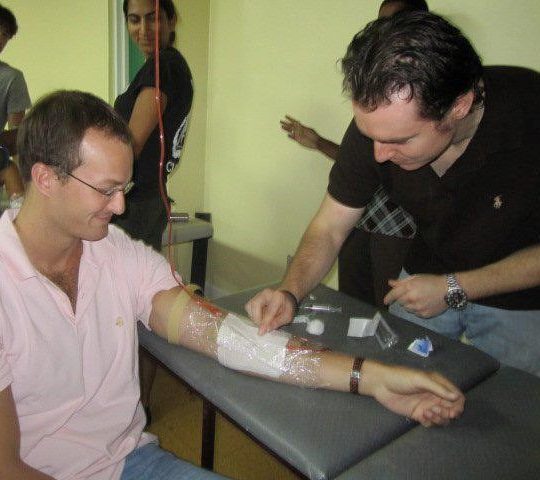
Learning to do IV placements using self-designed, mock equipment and the understanding of the importance of improvisation, flexibility and limited resources.
Knowledge of how to operate medical equipment without support staff is beneficial.
In response to the growing interest and need for physicians in underserved global populations, there has been an increase in funding opportunities.Prior to embarking into unknown territory and patient scenarios, it is recommended that a physician’s own resources are known, including potential health risks, and that support systems are in place in order to maintain a mental and physical balance to provide care where it is desperately needed. Culture shock, grief and sadness, personal debriefing and reflection, and adjusting to life back home is an additional element to tend to.
There is a great need for neonatal care and pediatric care on a global scale. Experience with these patients will be an asset in the field.
Outreach, Education, Research, Mentorship
The opportunity to provide preventative and screening information directly to patients through clinics and to physicians at training sessions allows for direct two-way communication, clarity and the sharing of knowledge bases. Additional outreach at clinics and mobile health units often add to the overall value and maximizes a physician’s ability to provide outreach and education. Furthermore, opportunities may exist for collaborations with clinicians and scientists as well as health policy advisors. Although the notion of global health has attracted the fad of medical tourism and entails a certain novelty of volunteering abroad, emergency physicians have a great opportunity to make a lasting difference on the lives of their patients as well as those of international colleagues who are either interested in practicing in North America(6) or who will stay with the communities and health systems they are in. Therefore, building and fostering a network of connections for the future is an important and positive outcome, with the potential to provide up to date journal articles, resources to evidence-based medicine and free online medical education, and can allow you to incorporate global health initiatives and outreach back home. At the end of the day, physicians who are driven to extend their medical knowledge and clinical skills into regions with a desperate need for health care and vulnerable patient populations are often those who have made the commitment to serve as an emergency physician.
Basic wilderness training with a focus here on evacuating an injured victim in remote communities (here in northern Nunavut, Canada).
Global outreach and international medicine opportunities can include taking the time to travel out of the clinic and visit schools to train and share knowledge with younger students. Creating interest and awareness can have a positive lasting impacts on youth.
Youth often appreciate visits to their schools, and their interest in health care, medicine, prevention can be highlighted with education in emergency services, as well as through games and storytelling.
The experience of a global project and working in a clinic on an international scale enables EM physicians and students from all levels of training to provide care in emergent situations from disaster and humanitarian relief to outreach clinics. For physicians and students who opted to pursue medical education in a global setting, as an international graduate or for North American physicians who thrive on global health and international outreach, the experiences are unlike those in North America, and there is an abundance of personal and professional learning and development to gain. Experiences outside of comfort zones, whether in rural America or overseas, create a global community to better medical practices and often advocacy for health care continues long after a global project has concluded.
The Model of the teaching hospital, which links research to teaching and service is what's missing in global health
This article touched on the advantages and benefits of stepping outside comfort zones to provide medical care to vulnerable patient populations, and a follow up to this article will be how to overcome the challenges and barriers that physicians may encounter. Have you participated in a global health project or international outreach? Please feel free to share your own thoughts and reflect on your experiences in the comments section below.
A Piton climb for the view, St Lucia. Medical outreach and travel is a demanding endeavor, however quiet moments to enjoy the process and experiences will make it a rewarding one.
Additional Reading and Resources
What is International Emergency Medicine? Academic Life in Emergency Medicine – link
International Emergency Medicine Section, American College of Emergency Physicians – link
The Practitioner’s Guide to Global Health, American College of Emergency Physicians – link
US Residents: Discover the World with Emergency Medicine, Emergency Medicine Residents Association – link
Fellowship Database, Society for Academics Emergency Medicine – link
Many simultaneous activities are going on inside the iEM Education project. This is one of the reachest platforms for medical students and educators in order to help improving undergraduate emergency medicine. We listed 12 questions and asked the iEM Education Project founder and director. Here are all answers in 8 minutes video. At the end of the video, please do not hesitate to click here to be a contributor.
Lush green land and open spaces, fresh air that reminds us of how artificial our all-natural room fresheners smell, and quiet nights decorated with twinklings of a starry sky and the musical buzz of crickets. That is how most would imagine a village. Few of these imaginations remain borrowable if anyone were to engage in the same exercise in regards to an ER in the village. For starters, nights aren’t as quite, color and smell changes depending on what patient you are treating that day and the space of the room shrinks in proportion to the distance you traveled to reach that village.
Former Emergency Setup at Beltar PHC
Two years ago, when I was posted at Beltar Primary Health Care Center (PHC), little did I know that a sparsely populated village’s abundance of space rarely follows through to the emergency room. The obvious lack of infrastructure is, of course, the major problem. In the health system of Nepal, emergency services are designed to be provided at the hospital level. However, keeping the need for emergency services in mind, health workers in the rural areas are left to run makeshift ERs. At our PHC, what was supposed to be the waiting lobby for patients was used for an ER. The lack of a four-walled room meant that the only sense of privacy was provided by the patient’s fumbling awareness owing to intense pain and the physician’s focus completely overwhelmed by trying to be resourceful amidst obvious lack of resources. Hordes of curious onlookers crowding to see what was going on is a common scene in our ER that one would start ignoring after a month or two.
After banging our heads on problems that require far more resources and policies than that within our reach, we are left to take a sensible path – focusing on one small thing at a time and changing it for the better. Today I present to you an incident that inspired us to make an effort into making one such change happen.
A 28-year-old male
Like any on-duty doctor, I found myself rushing to the ER after a call. A 28-year-old male was brought after a sudden loss of consciousness while playing football. We quickly realized that CPR was in order and jumped right at it. Quite literally so, as the arrangement of beds in the ER was such that you could only deliver quality compressions if you are on the patient’s bed.
Elephant in the room
When I asked our paramedic to start bag and mask ventilation, he looked at me in confusion – the bed was placed against the wall and he would have to jump across the patient to provide one. Our nurse had to squeeze her way through the crowd of onlookers to find the needed medication. In the end, all of us were disappointed. Exhausted physically and mentally yet pondering on things we could have done differently, like any other resuscitation team would, after an unsuccessful CPR. After ruminating on the quality of CPR, availability of better equipment, training and all other aspects of a good resuscitation, we finally addressed the elephant in the room.
Bigger space or ...
The most obvious solution of shifting our ER to a bigger space was simply not an option. What we could do was make small changes that could make things a bit better. The nature of problem-solving has to be such that the biggest constraints remain (because we rarely can do anything about them). What is it that a bigger space adds? Big space adds orderliness. As I was pondering on this question, I had an idea that felt like an epiphany. I remembered one of my toys as a kid – a Rubik’s cube. We do not expand our Rubik’s cube to make it orderly. We rearrange it – you get to manipulate the pieces but not the whole cube. Thus, we started the mission of Rubik’s cubing our ER.
Rubik's Cubing
We had four beds in our ER. We wanted a separate resuscitation bed with enough surrounding space. We moved all three beds to one side of the room; installed two privacy screens instead of both a door and a wall (sorry onlookers!). We repaired and re-stocked the crash cart, placed each medicine in separate compartments in the drawers and labelled them properly.
Makeshift door using privacy screen
Resuscitation area at Beltar PHC
Crash cart
Labelled medications
A few weeks later, we performed CPR in another patient. The patient was rushed to our resuscitation bed, the privacy screens were drawn and the crash cart pulled near the bed. After we resuscitated the patient, we started the age-old culture of replaying the scene in our head and trying to figure out what else could be done. We obviously came up with a lot, this time too. But in terms of using the available resources, everyone was satisfied that they did the best they could make out of the situation.
Resuscitation will never be easy, but that is the precise reason we need to make it as orderly as possible. People who develop protocols and policies are doing their part. We, at Beltar, tried to do ours.
The 10th Asian Conference on Emergency Medicine was successfully completed in New Delhi, India, during the last couple of days. The conference hosted around 1700 attendees around the globe, mainly Asia. There were approximately 300 speakers from all continents. Dr. Tamorish Kole and Dr. Sirinath Kumar were the two Emergency Medicine professionals who behind the success of this conference. Both experts are also a member of the board of directors of the Asian Society for Emergency Medicine (ASEM). At the end of the conference, Dr. Kole took over the presidency from Prof.Dr. Yildiray Cete (Turkey) who served to ASEM for two years.
Asian Society for Emergency Medicine, Board of Directors
Vice-President of India, Venkaiah Naidu, opened the conference with promising support to the improvement of Emergency Medicine care in India as well as highlighting the implementation of Emergency Medicine into the undergraduate curriculum. As many countries in Asia, Indian medical graduates are working in acute care settings after graduation. Therefore, focusing on undergraduate education can help many countries in the same context.
Venkaiah Naidu, Vice-President of India
This topic one of the items discussed in the ASEM Board of Directors meeting. Creating a widely acceptable undergraduate curriculum is a necessity for Asian countries, especially those in the development stage of Emergency Medicine. ASEM board formed a sub-committee to work on this highly significant problem. Dr. Mohan Tiru (Singapore) and I will be leading board members to continue and finalize the process. Because the International Federation for Emergency Medicine (IFEM) currently working on a comprehensive update process for its’ undergraduate curriculum, there is no need to reinvent the wheel for ASEM. Taking the updated version of the IFEM undergraduate curriculum as the main framework and working on it to create a precise Asian undergraduate curriculum will be enough and probably the fastest way. However, there is a need to understand the current situation and needs in Asian countries. Therefore, the sub-committee of ASEM will work on learning needs assessment and current situation analysis until the IFEM undergraduate curriculum finalized. The expected time for the new updated version of the IFEM undergraduate curriculum is April-May 2020. Completing learning needs assessment and current situation analysis of Asia by March-April 2020 will give the Asian board a chance to move forward with updated IFEM undergraduate curriculum. Probably, developing the Asian curriculum will be possible in a short period of time until the end of 2020.
Asian Society for Emergency Medicine, Board of Directors Meeting
While ACEM2019 continues, I was able to meet a couple of contributors to the International Emergency Medicine Education Project. I visited Rob Rogers’ well-known course, Medutopia, which aims to increase the quality of the teaching skills of educators. According to Dr. Rogers, this is the most enthusiastic and knowledgable group since the Medutopia journey has begun. Dr. Andy Little and Dr. Mike Giosondi were other two experts who gave the course with Dr. Rogers. You can read and listen to Dr. Rogers’ contributions to the International Emergency Medicine Education Project here.
I also came across to Dr. Simon Carley from Manchester, who is well-known for ST.EMLYN’s blog. He gave a couple of amazing talks during the conference, including one plenary presentation.
Simon Carley, plenary session
Arif Alper Cevik and Simon Carley
One of the surprising things was meeting with one of our blog authors Dr. Kaushila Thilakasiri (Sri Lanka) and her team. This energetic group was not only coming for ASEM to attend meetings, but they also came to compete in SimWars. And of course, they won the first prize.
Kaushila Thilakasiri and Sri Lanka team
Two days of workshops and three days of the busy scientific program passed like lightning. In addition to scientific activities, ACEM 2019 team prepared many social events for participants. I think, socially and scientifically, ACEM 2019 was a very busy conference. This created many networking opportunities.
One of the final event was graduation ceremony of 2018-2019 class of Emergency Medicine residents. Around 120 new graduated were appreciated with a nicely setted up ceremony with attendence of leaders of Emergency Medicine such as Prof. Lee Wallis (Past President of IFEM), Dr. Taj Hassan (Pas President of Royal College of Emergency Medicine) and Prof. James Ducharme (President of IFEM) as well as local leaders of Emergency Medicine of India.
2018-2019 Indian Emergency Medicine Graduates
As a summary, ACEM2019 was a successful gathering for international Emergency Medicine experts and Asian emergency physicians, residents and medical students.
ACEM 2021 will be in Hong Kong. ASEM board of directors decided to give ACEM2023 to Manila, Phillipines and ACEM2025 to Dubai, United Arab Emirates. We hope to see you all in these upcoming events.
iEM team attended the Mediterranean Emergency Medicine Congress 2019 in Dubrovnik Croatia. The Xth Mediterranean Emergency Medicine Congress held between 22-25 September 2019 at the Sun Gardens Hotel.
In addition to attending scientific sessions, iEM team also interviewed with Judith Tintinalli and Melanie Stander. Interviews will be shared from iem-student.org platform.
Melanie Stander
Judith Tintinalli
Melanie Stander and Judith Tintinalli in Panel: Women in Emergency Medicine
It was a great panel including local, regional and international female emergency medicine leaders. Each leader shared their message with audience during the panel and discussion was very fruitful at the end.
Here is the full list of panelists:
Ibtihal Mohammed Alattas, MD FAAEM (Saudi Arabia) Ayesha Almemari, MD (United Arab Emirates) Badria Al Hatali, MD FACMT (Sultanate of Oman) Eveline Hitti, MD, MBA (Lebanon) Lisa A. Moreno, MD MS MSCR FAAEM (United States) Vicki Norton, MD FAAEM (United States) Maria Ramos-Fernandez, MD MSc FAAEM (Puerto Rico) Melanie Stander, MD MMed EM (South Africa) Judith E. Tintinalli, MD MS FAAEM (United States) Joanne Williams, MD MAAEM FAAEM (United States)
You can't expect equal opportunity and advancement in the work place unless we expect it also on the home front. – Dr. Eveline Hitti. #MEMC19pic.twitter.com/dnHP2Y6wFX
Saleh Fares, MD MPH FRCPC(EM) FACEP FAAEM United Arab Emirates
This award is given at each Congress to honor an emergency physician who, through personal sacrifice and professional dedication, has had a significant and sustained impact on the development of emergency medicine as a specialty in his/her country.
Dr. Faresin his role as Founder of the Emirates Society of Emergency Medicine, as well as through his leadership as the President, has profoundly impacted the development of EM in the United Arab Emirates, as well as throughout the Gulf region. His qualities as a leader and a board certified emergency physician embody the values and mission of the American Academy of Emergency Medicine and the Mediterranean Academy of Emergency Medicine.
Melanie Stander received Dr. Cristina Costin International
Emergency Medicine Award
This award is given in honor of the late Dr. Costin-Kazzi to honor a female emergency physician who, through personal sacrifice and professional dedication, has had a significant and sustained impact on the development of emergency medicine as a specialty in her country.
As one of the first physicians to qualify in emergency medicine in South Africa, as the Immediate Past President of the Emergency Medicine Society of South Africa, and as one of the first women on the Board of the International Federation of Emergency Medicine, Dr. Stander has left an indelible mark on the development of emergency medicine in South Africa and has become an inspiration to other women who seek to follow her path of excellence, leadership and dedication. Dr. Stander’s qualities as a leader and a board certified emergency physician embody the values and mission of the American Academy of Emergency Medicine and the Mediterranean Academy of Emergency Medicine.
IFEM Undergraduate Emergency Medicine Curriculum Update Process
Arif Alper Cevik, MD, FEMAT, FIFEM presented the update process of IFEM Undergraduate Emergency Medicine Curriculum in addition to overall look to the curriculums around the globe, and IFEM curriculum adopted by iem-student.org (International Emergency Medicine Education Project) platform.
Many clinician teachers has no medical education training 🤔 ….. in the age of standards and accreditation, isn’t time to set minimum standards for clinical educators? A question? #MEMC19pic.twitter.com/pr73gI6tEK
We need more people around the world to start recognizing the need for an improved Undergraduate EM Curriculum. Thank you @drcevik for all your efforts toward making that vision a reality. #MEMC19pic.twitter.com/WXnHdPmtjJ
iEM has 30 international blog authors. Three of those were in Dubrovnik. Anzal Rahman, Anthony Rodigin, and Elif Dilek Cakal.
Had a fanboy moment at MEMC19! Met my personal hero and one of the best researchers you'll find on pain management @painfreeED. For me and so many others, his studies have led to practice-changing dosage considerations for analgesics in the ED. #MEMC19#painmanagementpic.twitter.com/rfdqKX6ZyL
My posters for #MEMC19. Plant tox mnemonics, Epi in Cardiac Arrest with a proposal for a new infusion protocol, Cyanide Poisoning from Vitamin B17. Loving the weather and people here in @SunGardensDbk, Croatia! pic.twitter.com/foC9LdadP4
Africa is a magical continent. It is filled with unique cultural energy. I promise you will never regret diving into this experience. Whether in a park celebrating a wedding, or simply celebrating life at a night club. Africans are master of this, the magic spreads through the air, and you can feel it.
Image by Idílio Chirindja from Pixabay
I had an incredible opportunity to experience Mozambique. In the middle of many English speaking countries, an island speaking Portuguese language.
The country is in the southeast of Africa. The capital is Maputo, which was invaded by Portugal in 1505 that established dominion until 1975 when Mozambique gained its independence. But after that, the country lived years of intense civil war until 1992. Since then Mozambique has lived in a period of relative political stability.
The official language of Mozambique is Portuguese but is spoken mainly as a second language about half of the population. Among the most common native languages are Macua, Tsonga and Seine. The population of about 29 million people is predominantly made up of Bantu peoples.
My story meeting Mozambique
Every time you have doubts about the work is done on the Internet, which many may think irrelevant, I want to say to you that I owe my medical career as an Emergency Physician to #FOAMed. Emergency Medicine was recognized as a specialty in Brazil only in 2015, after many years of struggle. So, we didn’t have much information about this specialty which is still unknown to many students who are currently choosing the specialty, as it was with me. But the fact that someone writes something down and makes it accessible on the internet can really change lives. What led me to understand who I was and what I wanted to do in medicine was this text by Joe Lex. I found my people. My tribe. I understood who I was and fell in love with Emergency Medicine.
After knowing so many amazing FOAMed blogs (emdoc, emcrit, rebelem, etc.), I was so inspired and wanted to do for emergency medicine in my country. I want to create a FOAMed content so that people like me could discover our specialty earlier. And it has to be in Portuguese.
English is important, but nothing so comforting than reading content in your own language. You can think and retain the new knowledge faster, and you can translate the knowledge better to the patient. Understanding is clearer, more accessible, and also brings a sense of belonging and appreciation.
So when I met Abigail Hankin-Wei, we were committed to producing emergency medicine content in Portuguese for the sake of our emergency medicine training programs. Abigail is an inspiring person, who is an emergency physician from the US working in Mozambique full-time to help build the country’s first emergency medicine training program. The residency program is the first one in the country established in 2016, with six young and passionate residents. So I went there to make our bond stronger.
The thing I love most in our specialty is the tribe feeling — the way we immediately recognize the passion in each other. So when you talk about medicine, you know, you understand, you feel belonging to a place, you know that you aren’t the only one crazy doctor that likes to take care of very sick patients. In my routine daily life, it is difficult to encounter this kind of bound.
So, coming to Mozambique and meeting these residents (Brito Gulela, Dino M. Lopes, Euridxe Barbosa, Maria Augusta Taimo, Hermenegildo de Jesus da Silva Macauze and Ezio Massinga) and two more physicians from US (Patrick Connel and Rodolfo Loureiro) were the same exactly how I felt. I was among friends, equals, and I felt like I was at home.
The Story
In Mozambique, we worked at the Mavalane Hospital. I assumed that it is a secondary level hospital, but with a real lack of support. The patients were respiratory failure, abdominal pain, fever, malaria, tuberculosis, lots of complications of HIV, acute stroke, high hypertensive emergencies, etc. They could only provide oxygen (with limitation), and some basic medications.
In the first week, the x-ray machine was broken, but the show must go on, and they did the best they could, treated the most likely disease in their environment with little room for a thorough investigation. They placed the sickest patients in a separate room, the only room in the department where they could get oxygen therapy, which came in two large cylinders. They transferred the most severe patients (which had to be very sick) with potential for recovery to the Central Hospital. As Patrick used to say, the work of the Emergency Physician is to separate the sheep from the goats, so they have to learn as best as they can.
One brilliant thing was the use of POCUS, which is a great value in this context, and I was able to learn a lot from them as I still developing my skills. In need of a CT imaging, the patient has to be referred to the Central Hospital (level one, but still with many limitations). It has to be really thought through because there are limited spots daily. Some conditions could be done, some conditions not. It should change treatment and outcome in a patient with possible good prognosis.
Sometimes the days were really harder, especially when you achieved a certain level of treatment, and you did not have more options to use. They couldn’t do fancy things like NIMV or intubation, or continuous infusion of drugs. They do what they could with their best, and we wait and hope.
The human body is amazing, they are particularly strong here, and one thing I brought with me from this experience is that some patients really get better despite our limitations.
Of course, it would be a lot better to help all patients get better faster and safer. But really, our job is not the most important part. The body is the king. We need to recognize this as quickly as possible in our careers and understand how much we should hasten an improvement and how much we should just wait from the body, without feeling resentful of ourselves when the body achieve its’ limitations, because, in fact, we (as doctors) don’t have that much power as sometimes we think we have.
The environment is harsh. The team has to be practical. Patients give themselves to care, and the team does what they need to do with what they have. Sometimes it was hard to see that cold reality. But again, I could testify how education and love can save the world! In one week, I could see the work of the residents changing everything, turning everything better, lighter, humanized with meaning. They educate the team; they treat the patients with passion and respect; the team wants to be like them: education is the power.
You have to celebrate each small victory
From time to time you should remember and appreciate people for the little good things they do, even if seems small in a big context. So, they don’t forget the small victories, that is what gave us fuel to keep going.
When I was about to leave, we set and talk about their expectations. I could not be more inspired by their clear awareness. They know the hard work that is ahead. But they have dreams about a more organized emergency health care system. They have a passion (inherent in the emergency physician). They have a good heart, strong determinations, vision, and they are smart.
They truly have the magic!
They know there’s still a lot of uncertainty, will the specialty be recognized someday? Will be a place to work? Will the residency grow? Will they have a spot in the most important hospital? They don’t know yet. But they are studying, traveling, receiving people of around the world with humbleness, willing to learn, to improve, to be able to do the most exciting things for their patient and their country.
I would like to remind that planting an unprecedented program in such an arid place is work for many people. And this team needs recognition, so my special thanks to Dr. Kevin Lunney, who creates PLeDGE Health ONG, that is helping support the residency program.
Special thanks to Sarah Mondlane to her work at PLeDGE Health, and for being the sweetest, kindest hostess in the world. Her love for this cause is pure inspiration. And thank Dra Otilia Neves, member of the Ministry of Health, and coordinator of the program, who kindness accepted us in Mozambique.
I hope that the work of this team resonates forever in Mozambique.