19 Questions and Answers on the COVID-19 Pandemic from a Emergency Medicine-based Perspective

covid 19 - from a Emergency Medicine-based Perspective

1) What is COVID-19?

Corona Virus Disease 2019 (COVID-19) is the disease caused by infection with severe acute respiratory syndrome coronavirus 2 (SARS-CoV-2).

2) What is SARS-CoV-2?

SARS-CoV-2 is a virus belonging to the Coronaviridae family. Spike proteins (S proteins) on the outer surface of SARS-CoV-2 are arranged in a way that resembles the appearance of a crown when viewed under an electron microscope (see Figure 1). S proteins facilitate viral entry into host cells by binding to the angiotensin-converting enzyme 2 (ACE2) host receptor. Several cell types express the ACE2 receptor, including lung alveoli cells. [1].

Morphology of the SARS-CoV-2
Figure 1 - Morphology of the SARS-CoV-2 viewed under an electron microscope.Note the spikes that adorn the outer surface of the virus, which impart the look of a corona surrounding the virion. (https://phil.cdc.gov/Details.aspx?pid=23312)

3) How is SARS-CoV-2 transmitted?

Viral particles can spread from person-to-person through airborne transmission (e.g., large droplets) or direct contact(e.g., touching, shaking hands). We have to remember that large droplets are particles with a diameter > 5 microns and that they can be spread by coughing, sneezing, talking, etc., so do not forget to wear full PPE in the Emergency Department (ED). Other potential routes of transmission are still being investigated.

4) What is the incubation time?

In humans, the incubation period of the SARS-CoV-2 varies from 4 days to 14 days, with a median of about 4 days [2].

5) Can we say the COVID-19 is like the seasonal flu?

No, we can’t say that. COVID-19 differs from the flu in several ways:

  • First of all, SARS-CoV-2 replicates in the lower respiratory tract at the level of the pulmonary alveoli (terminal alveoli). In contrast, Influenza viruses, the causative agents of the flu, replicate in the mucosa of the upper respiratory tract.
  • Secondly, SARS-CoV-2 is a new virus that has never met our adaptive immune system.
  • Thirdly, we do not currently have an approved vaccine to prevent infection by SARS-CoV-2.
  • Lastly, we do not currently have drugs of proven efficacy for the treatment of disease caused by SARS-CoV-2.

6) Who is at risk of contracting the COVID-19?

We are all susceptible to contracting the COVID-19, so it is essential that everyone respects the biohazard prevention rules developed by national and international health committees. Elderly persons, patients with comorbidities (e.g., diabetics, cancer, COPD, and CVD), and smokers appear to exhibit poor clinical outcome and greater mortality from COVID-19 [3]

7) What are the symptoms of the COVID-19?

There are four primary symptoms of COVID-19: feverdry coughfatigue; and shortness of breath (SOB).

Other symptoms are loss of appetite, muscle and joint pain, sore throat, nasal congestion and runny nose, headache, nausea and vomiting, diarrhea, anosmia, and dysgeusia.

8) What is the severity of symptoms from COVID-19?

In most cases, COVID-19 mild or moderate symptoms, so much so it can resolve after two weeks of rest at home. However, onset of severe viral pneumonia requires hospital admission.

9) Which COVID-19 patients we should admit to the hospital?

The onset of severe viral pneumonia requires hospital admission. COVID-19-associated pneumonia can quickly evolve into respiratory failure, resulting in decreased gas exchange and the onset of hypoxia (we can already detect this deterioration in gas exchange with a pulse oximeter at the patient’s home). This clinical picture can rapidly further evolve into ARDS and severe multi-organ failure.

The use of the PSI/PORT score (or even the MuLBSTA score, although this score needs to be validated) can help us in the hospital admission decision-making process.

10) Do patients with COVID-19 exhibit laboratory abnormalities?

Most patients exhibit lymphocytopenia [11], an increase in prothrombin time, procalcitonin (> 0.5 ng/mL), and/or LDH (> 250 U/L).

11) Are there specific tests that allow us to diagnose COVID-19?

RT-PCR is a specific test that currently appears to have high specificity but not very high sensitivity [12]. We can obtain material for this test from nasopharyngeal swabs, tracheal aspirates of intubated patients, sputum, and bronchoalveolar lavages (BAL). However, the latter two procedures increase the risk of contagion.

However, since rapid tests are not yet available, RT-PCR results may take days to obtain, since laboratory activity can quickly saturate during epidemics. Furthermore, poor pharyngeal swabbing technique or sampling that occurs during the early stage of COVID-19 can lead to further decreased testing sensitivity.

Consequently, for the best patient care, we must rely on clinical symptoms, labs, and diagnostic imaging (US, CXR, CT). The use of a diagnostic flowchart can be useful (see Figure 2).

diagnostic flow chart
Figure 2 - A possible diagnostic flow chart for an ill patient admitted to hospital with suspected COVID-19 (from EMCrit Blog)

12) Can lung ultrasound help diagnose COVID-19?

Yes, it can help! The use of POCUS lung ultrasound is a useful method both in diagnosis and in real-time monitoring of the COVID-19 patient.

In addition, we could monitor the patient not only in the emergency department (ED) or intensive care unit (ICU), but also in a pre-hospital setting, such as in the home of a patient who is in quarantine.

In fact, POCUS lung ultrasounds not only allows one to anticipate further complications such as lung consolidation from bacterial superinfection or pneumothorax, but it also allows detection of viral pneumonia at the early stages. Furthermore, the use of a high-frequency ultrasound probe, which is an adoption of the 12-lung areas method [4] and the portable ultrasound (they are easily decontaminated), allow this method to be repeatable, inexpensive, easy to transport, and radiation-free.

There are no known pathognomonic patterns of COVID-19.

The early stages COVID-19 pneumonia results in peripheral alveolar damage including alveolar edema and a proteinaceous exudate [5]. This interstitial syndrome can be observed via ultrasound by the presence of scattered B lines in a single intercostal space (see videos below).

Subsequently, COVID-19 pneumonia progression leads to what’s called “white lung”, which ultrasound represents as converging B lines that cover the entire area of the intercostal space; they start from the pleura to end at the bottom of the screen.

Finally, the later stages of this viral pneumonia lead to “dry lung”, which consists of a pattern of small consolidations (< 1 cm) and subpleural nodules. Unlike bacterial foci of infection, these consolidations do not create a Doppler signal within the lesions. We should consider the development from “white lung” to “dry lung” as an unfavorable evolution of the disease.[6]

(the 5 videos above come from the COVID-19 gallery on the Butterflynetwork website)

13) Can CXR/CT help us in the diagnosis of COVID-19?

Yes, it can help! There are essentially three patterns we observed in COVID-19.

In the early stages, the main pattern is ground-glass opacity (GGO)[7]. Ground glass opacity is represented at the lung bases with a peripheral distribution (see videos below) .

The second pattern is constituted by consolidations, which unlike ground-glass opacity, determine a complete “opacification” of the lung parenchyma. The greater the extent of consolidations, the greater the severity and the possibility of admission in ICU.

The third pattern is called crazy paving[8]. It is caused by the thickening of the pulmonary lobular interstitium.

However, we should consider four things when we do a CXR/CT exam. First, many patients, especially in the elderly, exhibit multiple, simultaneously occurring pathologies, so it is possible to clinically observe nodular effusions, lymph node enlargements, and pleural effusions that are not typical of COVID-19 pneumonia. Secondly, we have to be aware that other types of viral pneumonia can also cause GGO, so they cannot be excluded during the diagnostic process. Thirdly, imaging can help evaluate the extent of the disease and alternative diagnoses, but we cannot use it exclusively for diagnosis. Lastly, we should carefully assess the risk of contagion from transporting these patients to the CT room.

14) What is the treatment for this type of patient?

COVID-19 patients quickly become hypoxic without many symptoms (apparently due to “silent” atelectasis). Therapy for these clinical manifestations is resuscitation and support therapy. In patients with mild respiratory insufficiency, oxygen therapy is adopted. In severe patients in which respiratory mechanics are compromised, non-invasive ventilation (NIV) or invasive ventilation should be adopted.

15) How can we non-invasively manage the airways of patients with COVID-19?

In the presence of a virus epidemic, we should remember that all the procedures that generate aerosolization (e.g., NIV, HFNC, BMV, intubation, nebulizers) are high-risk procedures.

Among the non-invasive oxygenation methods, the best-recommended solution is to have patients wear both a high-flow nasal cannula (HFNC) and a surgical mask[9]. Still, we should also consider using CPAP with a helmet interface. Furthermore, we should avoid the administration of medications through nebulization or utilize metered-dose inhalers with spacer (Figure 3).

Figure 3 – General schema for Respiratory Support in Patients with COVID-19 (from PulmCrit Blog)

16) How can we invasively manage the airways of patients with COVID-19?

We should intubate as soon as possible, even in non-critical conditions (Figure 3). Intubation is a high contagion risk procedure. As a result, we should adopt the highest levels of precaution[10]. To be more precise:

  • As healthcare operator, we should wear full PPE. Only the most skilled person at intubation in the staff should intubate. Furthermore we should consider using a video laryngoscope. Last but not least, we should ensure the correct positioning of the endotracheal tube without a stethoscope (link HERE).
  • The room where intubation occurs should be a negative pressure room. When that is not feasible, the room should have doors closed during the intubation procedure.
  • The suction device  should have a closed-circuit so as not to generate aerosolization outside.
  • Preoxygenation should be done using means that do not generate aerosols. Let us remember that HFNC and BVM both can generate aerosolization. So, it is important to remember to turn off the flow of the HFNC before removing it from the patient face to minimize the risk and to use a two-handed grip when using BVM, interposing an antiviral filter between the BVM and resuscitation bag and ventilating gently.
  • Intubation drugs that do not cause coughing should be used. In addition, we should evaluate the use of Rocuronium in the Rapid Sequence Intubation (RSI) since it has a longer half-life compared to succinylcholine and thus prevents the onset of coughing or vomiting.

In conclusion, let us remember that intubation, extubation, bronchoscopy, NIV, CPR prior to intubation, manual ventilation etc. produce aerosolization of the virus, therefore, it is necessary that we wear full PPE.

17) What is the drug therapy for COVID-19?

Currently, there is no validated drug therapy for COVID-19. Some drugs are currently under study. They include Remdesivir (blocks RNA-dependent RNA polymerase), Chloroquine and Hydroxychloroquine (both block the entry of the virus into the endosome), Tocilizumab and Siltuximab (both block IL-6).

18) Is there a vaccine available for COVID-19?

No, there is still no vaccine currently available to the public.

19) What precautions should we take with COVID-19 infected patients?

As healthcare professionals, we should wear full personal protective equipment (PPE) and know how to wear them (“DONning”) and how to remove them properly (“DOFFing”) (see video below). Furthermore, we should wear full PPE for the entire shift and when in contact with patients with respiratory problems.

Resources on COVID-19

[cite]

References

[1] Zheng YY, Ma YT, Zhang JY, Xie X. COVID-19 and the cardiovascular system. NatRev Cardiol. 2020 Mar 5.

[2] del Rio C, Malani PN. COVID-19—New Insights on a Rapidly Changing Epidemic. JAMA. Published online February 28, 2020. doi:10.1001/jama.2020.3072

[3] Yee J et al. Novel coronavirus 2019 (COVID-19): Emergence and Implications for Emergency Care. Infectious Disease 2020. https://doi.org/10.1002/emp2.12034

[4] Belaïd Bouhemad, Silvia Mongodi, Gabriele Via, Isabelle Rouquette; Ultrasound for “Lung Monitoring” of Ventilated Patients. Anesthesiology 2015;122(2):437-447. doi: https://doi.org/10.1097/ALN.0000000000000558.

[5] Qian-Yi Peng, Xiao-Ting Wang, Li-Na Zhang & Chinese Critical Care Ultrasound Study Group (CCUSG). Findings of lung ultrasonography of novel corona virus pneumonia during the 2019–2020 epidemic. 12 March 2020 Intensive Care Medicine.

[6]  Chan JF, Yuan S, Kok KH, et al. A familial cluster of pneumonia associated with the 2019 novel coronavirus indicating person-to-person transmission: a study of a family cluster. Lancet 2020.

[7] Chest CT Findings in Cases from the Cruise Ship “Diamond Princess” with Coronavirus Disease 2019 (COVID-19)

[8] Radiographic and CT Features of Viral Pneumonia Hyun Jung Koo, Soyeoun Lim, Jooae Choe, Sang-Ho Choi, Heungsup Sung, and Kyung-Hyun Do RadioGraphics 2018 38:3, 719-739 doi: https://doi.org/10.1148/rg.2018170048

[9]  WHO – Clinical management of severe acute respiratory infection (SARI) when COVID-19 disease is suspected.

[10] Safe Airway Society. Consensus Statement: Safe Airway Society Principles of Airway management and Tracheal Intubation Specific to the COVID-19 Adult Patient Group. MJA 2020.

[11] GUAN WJ, Ni ZY, Hu Y, Liang WH, et al  Clinical Characteristics of Coronavirus Disease 2019 in China. N Engl J Med. 2020 Feb 28. doi: 10.1056/NEJMoa2002032

[12] Tao Ai et al. Correlation of Chest CT and RT-PCR Testing in Coronavirus Disease 2019 (COVID-19) in China: A Report of 1014 Cases. Radiology, published online February 26, 2020; doi: 10.1148/radiol.2020200642

Passion about “Airway Management”

passion about airway management

I have been passionate about learning and teaching airway management since I started practicing in the Emergency Department. As I learned more about the airway, I started to see a whole new world of knowledge to be explored. In fact, I felt a little indignant, because my college training had failed to teach me so much information necessary to manage the airway safely and responsibly in the emergency department. To fill the gap I perceived, I went to many national and international courses, and here are a few:

Meanwhile, Dr. George Kovacs has been one of the biggest inspirations in my mission to learn and teach airway management, especially after I watched his spectacular lecture “The Psychologically Dangerous Airway.” 

I learned he ran a course as a part of his “Airway Interventions & Management in Emergencies (AIME)” Project (http://aimeairway.ca). Learning from him became a big dream. And finally, in February, I managed to go to Halifax, Canada, to take the AIME Advanced coursehttp://aimeairway.ca

passion about airway management 6

What to expect

The course offers some theoretical classes and plenty of space to practice with various devices. Each instructor supervises 5 or 6 trainees. All trainees rotate the stations to practice each skill on varying airway difficulties.

The highlights of the course include:

Also, I must mention that all instructors are very receptive and fun, and interactions between students are excellent. 

The only shortcoming of this course is that it lasts only one day.

So you may ask, “But is awake intubation worth learning even if I work in the Emergencies Departments in Brazil (or other resource-limited contexts for that matter)?” Well, reviewing the advanced airway anatomy and indications for interventions always help to improve practice. If where you work has a video device or fiberscope, you will benefit most from the course. If not (Most EDs in Brazil today don’t), taking the course is a good reason to ask your manager for buying affordable alternatives like VividTrac®, King Vision® or Airtraq®. Also, awake intubation may be performed with Direct Laryngoscopy; however, it does not make much sense to me considering the main indication: an anatomically difficult airway.

Finally, I recommend the AIME advanced course to everyone who wants to improve their skills and learn how to manage the airway in the awake patient. 

If you are interested in airway management, here is another course I can recommend: PRACTICAL EMERGENCY AIRWAY MANAGEMENT https://www.ceme.org/content/practical-emergency-airway-management-november-2020

[cite]

You may also like these

Anaphylaxis in a Nutshell

anaphylaxis in a nutshell

Anaphylaxis can be broadly defined as a severe, life-threatening, generalized or systemic hypersensitivity reaction. Literature suggests that anaphylaxis is not always easily recognized in the Emergency Department (ED). One study indicates around 50% of cases being misdiagnosed and up to 80% do not receive appropriate first-line treatment.

Triggers

The most commonly identified triggers of anaphylaxis include food, drugs and venom, but it is important to note that 30% of the cases can be idiopathic. Among drugs, muscle relaxants, antibiotics, NSAIDs and aspirin are the most commonly implicated.

Which patients are at an increased risk of anaphylaxis severity and mortality?

Extremes of age

Co-morbid conditions (asthma, COPD, cardiovascular disease)

Concurrent use of beta-blockers and ACE inhibitors

While the overall prognosis of anaphylaxis is good, the key to avoiding adverse outcomes is by prompt recognition and initiation of appropriate interventions. Below are key points to guide your management of anaphylaxis in the ED.

Recognizing Anaphylaxis in the ED

Anaphylaxis reactions vary significantly in duration and severity and a single set of criteria will not identify all anaphylactic reactions. The World Allergy Organization (WAO) has suggested the following criteria to help ED physicians be more consistent in their recognition of anaphylaxis.

Anaphylaxis is highly likely when any one of the following three criteria is fulfilled

1. Acute onset of an illness (minutes to several hours) with involvement of the skin, mucosal tissue, or both (eg, generalized urticaria, itching or flushing, swollen lips-tongue-uvula) AND AT LEAST ONE OF THE FOLLOWING

  • Respiratory compromise (eg, dyspnea, wheeze-bronchospasm, stridor, reduced PEF, hypoxemia)
  • Reduced blood pressure or associated symptoms of end-organ dysfunction (eg. hypotonia [collapse], syncope, incontinence) OR

2. Two or more of the following that occur rapidly after exposure to a likely allergen for that patient (minutes to several hours)

  • Involvement of the skin-mucosal tissue (eg, generalized urticaria, itch-flush, swollen lips-tongue-uvula)
  • Respiratory compromise (eg, dyspnea, wheeze-bronchospasm, stridor, reduced PEF, hypoxemia)
  • Reduced blood pressure or associated symptoms (eg, hypotonia [collapse], syncope, incontinence)
  • Persistent gastrointestinal symptoms (eg, crampy abdominal pain, vomiting) OR

3. Reduced blood pressure after exposure to known allergen for that patient (minutes to several hours)

  • Infants and children: low systolic blood pressure (age-specific) or greater than 30% decrease in systolic blood pressure
  • Adults: systolic blood pressure of less than 90 mm Hg or greater than 30% decrease from that person’s baseline

Management Algorithm of Anaphylaxis in the ED

Anaphylaxis algorithm
Anaphyaxis algorithm 2

Key Points in Management

References and Further Reading

[cite]

Clinical examination of the hemodynamically unstable patient

Clinical examination of the hemodynamically unstable patient

Authors: Job Rodríguez Guillén. Chief of Emergency Department. Hospital H+ Querétaro. México and Paola Rivero Castañeda. Medical Intern, Anahuac Querétaro University, Mexico. 

Introduction

Clinical examination accounts as a fundamental part in the management of most critical scenarios. Although there are few publications and it remains controversial, its value considered as limited by 50% of medical practicioners (1). None of the well-known semiology books include any section about the physical examination in the critically ill patient (2). Nonetheless, an adequate clinical evaluation at the patient’s bedside may save lives in the context of a serious situation.

Clinical Examination Objectives

The main objectives are identifying and discerning from types of shock, emphasizing in the identification of life-threatening conditions, clinical signs of organic hypoperfusion, as well as to evaluate treatment response regarding therapies employed, and risk stratifying.

Identify hemodynamic instability

  • Life-threatening conditions (Tension pneumothorax, Cardiac tamponade, Pulmonary thromboembolism, Active hemorrhage, etc.)
  • Organ hypoperfusion
    (Altered mental state, decreased uresis, mottled skin, prolonged CFT, etc.)

Evaluate treatment response

  • Vital signs and normalization of the clinical state
    (Mental state improvement, diminished skin mottling, improved uresis, normalization of prolonged capillary filling time, etc.)

Risk stratifying

  • Scale and prognostic scores calculation. Prognostic scores use a combination of clinical and/or laboratoy variables (SOFA: Squential Organ Failure Assessment; APACHE: Acute Physiology and Chronic Health Evaluation; SAPS: Simplified Acute Physiology Score; MPM: Mortality Probability Models, etc.)

Clinical Exam Systematization

The clinician must be able to do a quick and efficient clinical examination to recognize different states of shock as early as possible, or even situations that may compromise organic perfusion. At a given time, it’s suggested to check out the clinical history, re-interrogate the patient and his/her family members, as well as patient’s family/regular physician (or even look for their previous medical notes), in order to help clinical integration, and so for decision making.

Systematization of the evaluating process, based on the previously proposed objectives, can be identified with the following mnemonic: PROA.

PROA - Summary

P - Probabilistic thinking

  • Think about any probability.
  • Look for intentionally.
  • Analyze clinical context and individualize.

R - Risk of dying

Identify life-threatening causes: Cardiac tamponade, Tensionpneumothorax, Pulmonary thromboembolism, Active hemorrhage, etc.

O - Organic hypoperfusion

Cutaneous perfusion signs: examine mottled skin and capillary filling time.

A - Approach of the clinical examination

Clinical exam by regions. Some components may not be relevant for all patients, even requiring other physical maneuvers. Even though laboratory and imaging are not part of the clinical exam, their interpretation must be integrated with the examination findings.

Probabilistic Thinking

Medicine is a science of uncertainty and an art of probability.

Clinical decision making in the emergency department begins with the estimation of the probability of a determined patient to have or do not have specific conditions (Bayesian reasoning or pretest probability).

Example; the probability of septic shock in a young patient after having a car crash is very low compared to the high probability of presenting with hemorrhagic or obstructive shock.

Proposed decisions related to initial probabilistic thinking vary in clinical relevance depending on the patient’s condition. It should always be re-evaluated through available additional data (posttest probability) (Figure 1).

Relationship between probability thresholds and decision‐making zones
Figure 1: Relationship between probability thresholds and decision‐making zones (3).

Risk of Dying

Shock is a momentary pause in the act of death.

Currently, there are four types of shock, all with a common pathophysiological pathway: acute circulatory insufficiency associated with cell oxygen utilization dysfunction (altered-balance between oxygen input and consumption: DO2/VO2 dysfunction), a central situation that takes part in the development of multiorgan dysfunction (4-5).

Initial physical examination should be directed to the identification of immediate life-threating pathologies such as obstructive shock (Tension pneumothorax, cardiac tamponade, pulmonary thromboembolism), hemorrhagic shock etc.

These pathologies require immediate action. Otherwise, early multi-organ dysfunction and death may occur. The Point of Care Ultrasound (PoCUS), is a fundamental tool used for the evaluation of patients with hemodynamic instability of unknown origin.

Organ Hypoperfusion

When assessing the damage an earthquake or fire has caused inside a building, one looks through the windows. Using this analogy, it would be useful to be able to see inside the body to view the damage caused by the shock process.

The initial approach to clinical examination begins with the skin. It is essential to remember that microcirculation cannot be globally defined through its dependency with macrocirculation, autoregulation mechanisms and organ interactions. Moreover, the availability of devices to evaluate it remains limited. Therefore, the evaluation is done from clinical, biochemical and hemodynamic data integration (6) (Figure 2)

Figure 2: three windows of shock

The correct way of measuring capillary filling time

Approach of The Clinical Examination

Clinical exam is not an art, is an essential ability.

During the initial evaluation, multiple situations can affect the accomplishment of a detailed physical examination. Therefore, it is recommended to follow a structured exploration method, looking at every main organ system and region. Documenting its results would allow avoiding the inclusion of essential data, and would permit to identify tendencies or any change in the patient’s clinical status.

Clinical examination approach in the critically-ill patient.

7Clinical examination approach emphasized in the critically-ill patient. This examination is realized based on every region in the body. Some components may not be relevant for all patients, or even some other maneuvers shall be executed in the physical examination. The verification list should be modified to be adapted to each patient’s circumstances. Laboratory and other studies analysis does not conform part of the clinical examination, although, their interpretation should be added to exploration findings (7).

  • General appearance

    Introduce yourself to the patient. Evaluate general appearance, physical state, complexity or the presence of particular face patterns, etc.

  • Head

    Inspect pupils' symmetry and reactiveness to light. Look for facial asymmetry and signs of bleeding in nostrils and oropharynx. Inspect lips, mouth and tongue, searching for lesions or signs of ulceration.

  • Neck

    Evaluate neck symmetry, venous distension and tracheal positioning. Palpate searching for adenopathies, subcutaneous emphysema, etc.

  • Thorax

    Expose the thorax, inspect the use of accessory respiratory muscles, diaphragmatic movement, and type of respiration. Also, look for ecchymosis or hematomas. Palpate searching for subcutaneous emphysema or bone crepitations. Auscultate respiratory sounds bilaterally, as well as heart sounds, noting the physiological splitting of the second heart sound, murmurs, friction and gallop rhythm or third heart sound.

  • Upper extremities

    Evaluate upper extremities symmetry. Inspect all arterial and venous line catheters. Evaluate for presence of mottled skin, peripheral pulses and perfusion through capillary filling time.

  • Abdomen

    Take into consideration the diaphragmatic movement during ventilation. Evaluate distension and tympanic sounds during the percussion of the abdomen. Palpate for any rigidity or involuntary guarding. Evaluate abnormal growth of spleen and liver, palpable masses, murmurs or other intestinal sounds.

  • Lower extremities

    Evaluate all sites of vascular accesses and palpate pulses. Evaluate mottled skin, peripheral perfusion and edema.

  • Central Nervous System and Mental State

    Evaluate if the patient is able to follow orders and if his/her four extremities can move equally. Evaluate plantar response as well as withdrawal to pain stimuli. Check pupils and facial symmetry if they were not previously evaluated.

  • Devices and Incisions

    Every possible surgical site should be evaluated, as well as the entrance of every device, including endotracheal tubes, vascular accesses, thoracic tubes, enteral probes and urinary catheters. It should be taken into consideration the characteristics and quantity of urine in the Foley bag.

  • Monitors and waveforms

    The mode, pressures, ventilation per minute and waveforms, hemodynamic monitor (venous pressure, arterial pressure), telemetry and vital signs, as well as any other type of bedside monitor, should be inspected in order to detect any qualitative or quantitative alteration/abnormality.

  • Posterior region

    Exam executed when the patient is in a prone position. Inspect looking for lesions or penetrating wounds. Pressure ulcer appearance should be evaluated.

  • Environment

    Family’s or visitors' moods should be taken into consideration. Light quality, ambient temperature, etc. should be evaluated.

Conclusions

Clinical integration of initial clinical history and the physical examination should be added to the biochemical complementation as well as advanced hemodynamic monitoring parameters, when these are available. Even so, if clinical examination answers raised questions during the initial evaluating process, the clinician must act according to physiological principles. There is no ideal hemodynamic monitoring, meaning that all parameters have to be individualized for each patient and his/her clinical context. Therefore, clinical examination systematization results are an excellent aid for the clinician regarding his/her clinical practice.  

References and Further Reading

  1. Vazquez R, Vazquez Guillamet C, Adeel Rishi M, Florindez J, Dhawan PS, Allen SE, Manthous CA, Lighthall G.  Physical examination in the intensive care unit: opinions of physicians at three teaching hospitals. Southwest J Pulm Crit Care. 2015;10(1):34-43. DOI: http://dx.doi.org/10.13175/swjpcc165-14
  2. Cook CJ, Smith GB. Do textbooks of clinical examination contain information regarding the assessment of critically ill patients?Resuscitation. 2004;60:129–136.
  3. Zehtabchi S, Kline J.A. The Art and Science of Probabilistic Decision‐making in Emergency Medicine. Academic Emergency Medicine, 17:521-523. DOI: http://doi.org/10.1111/j.1553-2712.2010.00739.x
  4. Weil MH, Shubin H. Proposed reclassification of shock states with special reference to distributive defects. Adv Exp Med Biol.1971 Oct;23(0):13-23.
  5. Ince C. The microcirculation is the motor of sepsis. Crit Care. 2005;9 Suppl 4:S13-9. DOI: 1186/cc3753
  6. Vincent JL, Ince C, Bakker J. Clinical review: Circulatory shock–an update: a tribute to Professor Max Harry Weil.Crit Care. 2012 Nov 20;16(6):239. DOI: 10.1186/cc11510.
  7. Metkus TS, Kim BS. Bedside Diagnosis in the Intensive Care Unit. Is Looking Overlooked?. Ann Am Thorac Soc.2015 Oct;12(10):1447-50. DOI: 10.1513/AnnalsATS.201505-271OI.
[cite]

Goals in Mechanical Ventilation: Concepts for the Students

Goals in Mechanical Ventilation: Concepts for the Students
Authors: Dr. Job Heriberto Rodríguez Guillén (@job_rdz), Dr. Sergio Edgar Zamora Gómez (@ezg_galeno)

Introduction

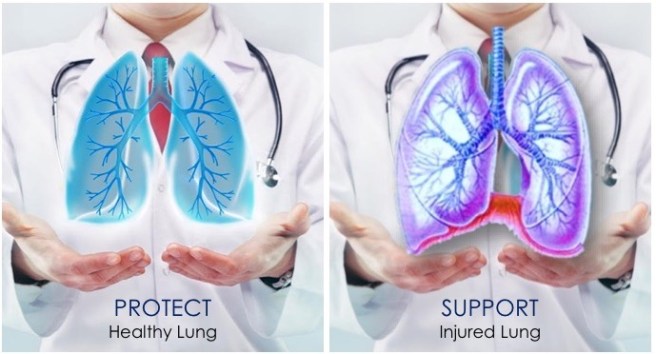
Mechanical ventilation (MV) is one of the cornerstones of life support in the emergency department. It provides time for establishing therapeutic management aimed at the triggering cause of injury until the patient improves physiologic balance (1). Therefore, MV can not be a unique and specific treatment for any disease by itself; but it has two general and fundamental goals: to support the injured lung and protect the healthy lung.

Set your goals: Support and Protect

Support

MV supports the respiratory system; meanwhile, the primary disease becomes under control.

Example: A patient with acute respiratory distress syndrome (ARDS) due to pneumonia, where MV provides support to improve gas exchange and reduce work of breathing (WOB) meanwhile antibiotic treatment induces remission of the infectious disease.

Protect

MV is aimed to avoid complications not related to the primary disease. The patient-ventilator relationship becomes of benefit for the patient as his respiratory function is in the risk of injury because the primary disease does not allow him to breathe properly or because therapeutic interventions can reduce protective airway reflexes and lead to respiratory complications.

Example: Patients presenting neuromuscular diseases (Guillain-Barre syndrome), diseases affecting bulbar muscles (myasthenic crisis), decreased consciousness (stroke, poisoning) or severe traumatic brain injury, all these without lung injury at first but in high risk of pneumonitis and pneumonia due to aspiration of gastric content.

Goals of Mechanical Ventilation
Mechanical ventilation has two general and fundamental goals: to support the injured lung and protect the healthy lung.

Specific goals of mechanical ventilation

One of the specific objectives of MV is to promote the optimization of arterial blood gases levels and acid-base balance by providing oxygen and eliminating carbon dioxide (ventilation). MV can reduce the work of breathing by taking effort from respiratory muscles and maintaining the long-term respiratory support for patients with chronic diseases.

MV´s circle (2) begins by recognizing the patient´s need for mechanical ventilatory support. Intubation and ventilation decision making is an essential skill for emergency physicians. Consideration of the patient´s needs is the basis of this decision making. The main indications for intubation and mechanical ventilation are (3):

  1. Refractory hypoxemia
  2. Increased respiratory effort
  3. Apnea/hypopnea leading to inadequate ventilation (Hypercapnia)
  4. The inability for airway protection

The goals should be individualized and established according to the clinical situation that led the patient to required ventilatory support. Although standard criteria traditionally have been specified for the onset of MV (3), we must remember that indication for intubation and ventilation is an essential skill for every physician treating critical care patients and the key is just thinking about what the patient needs.

Standard criteria for starting mechanical ventilation
Acute Ventilatory Failure
pCO2 > 50 mmHg + pH < 7.30
Impending Ventilatory Failure
Maintains normal gasometric levels by increasing respiratory effort.
Severe Hypoxemia
pO2 50%

pCO2 and pO2 values at sea level

In general, we can encompass the specific objectives of MV in three fundamental principles that must be fulfilled in every patient by setting the goals according to the primary disease:

  1. Improve oxygenation (O2) and ventilation (CO2)
  2. Reduce respiratory effort
  3. Minimize ventilator-induced lung injury (VILI)

Conclusions

The goals of MV are established based on the primary disease that led the patient to need MV support, under the concept of protecting and supporting the lungs. Primum non nocere; lung-protective ventilation should be initiated in all patients who need it.

References and Further Reading

  1. Frank Lodeserto MD, “Simplifying Mechanical Ventilation – Part I: Types of Breaths”, REBEL EM blog, March 8, 2018. Available at: https://rebelem.com/simplifying-mechanical-ventilation-part/.
  2. Frank Lodeserto MD, “Simplifying Mechanical Ventilation – Part 2: Goals of Mechanical Ventilation & Factors Controlling Oxygenation and Ventilation”, REBEL EM blog, May 18, 2018. Available at: https://rebelem.com/simplifying-mechanical-ventilation-part-2-goals-of-mechanical-ventilation-factors-controlling-oxygenation-and-ventilation/.
  3. Scott Weingart. EMCrit Lecture – Dominating the Vent: Part I. EMCrit Blog. Published on May 24, 2010. Accessed on August 30th 2019. Available at [https://emcrit.org/emcrit/vent-part-1/ ].
[cite]