Basic ECG Illustrations

basic ecg illustrations

ACEP’s shiny new GEMS: the Who, What and Why that make this LP worth playing

acep gems

Introduction

The necessity of introducing emergency medicine (EM) into undergraduate medical education (here – medical school level) has been discussed, if not debated, for over four decades (1,2). More recently, two additional trends have become apparent. One speaks to the mutual co-integration and interdependence of all emergency care field components including EM (3). The other is the emergence of a keen interest in global health exhibited by both medical students and emergency medicine trainees alike (4-6).

Here we wish to present and describe a novel program for medical students that aims to address and integrate all of the three phenomena under one umbrella. 

ACEP’s Global Emergency Medicine Student Leadership Program (GEMS LP) is now in its third year, with eighteen students from various medical schools learning about topics in global health through the guidance and shared experiences of internationally minded emergency physicians.

Background

The International Section of the American College of Emergency Physicians (ACEP) is one of ACEP’s largest, with over 2600 members currently (7). In 2013 the Section’s first annual ACEP International Ambassador Conference took place in Seattle. The meeting formalized and accentuated the common vision shared by those section members who had already been actively involved in global health and international EM development in their respective nation(s) of interest (8).

In 2017 members of Emergency Medicine Resident Association (EMRA) approached ACEP’s International Ambassador Program with the idea of mentorship for medical students interested in both EM and medical work globally.

Through a collaborative effort the Ambassador Mentorship Program (AMP) was born and welcomed its inaugural class of eight medical students in 2018 (9).

Focus

To better align our name with the program’s vision, AMP was renamed the Global Emergency Medicine Student Leadership Program (GEMS LP) in 2020. Currently GEMS LP is open to medical students at all levels of training (prior to graduation) who are members of EMRA.

The nine month curriculum consists of several integral components, including global health knowledge development, research, personal mentorship and networking.

Focus on global health (GH):  GH has become a field that aims to transcend not only the borders among nations, cultures, governments and organizations, but also the distinction between what is narrowly medical and what is widely ethical and social – as in rooted in people’s daily living conditions (10). It has been a consensus among GEMS LP’s participants that efforts to improve development of EM and regional emergency care systems around the world cannot be studied or pursued outside of the global health context.

At a GEMS journal club, 2020

The program runs a structured journal club done via video platforms which includes review and discussions of textbooks and original literature pertinent to GH topics.  Since 2020, journal clubs have also included a new component where students prepare local health improvement project proposals  (based on their geographic or cultural area of interest or prior experience).  These “mock” project proposals are then discussed by the journal club group at large as another way of learning.

Examples of monthly focus themes have included global health inequity, sustainability in global health, ethics of humanitarian work, need for EM expertise in low resource settings, language justice in healthcare and the future of global health.

We welcome all members of the ACEP International Section and current GEM fellows (ask us how to get involved at infoGEMSLP@gmail.com) – international voices add much to the discussion!

Focus on mentorship and networking: Through one-on-one guided phone calls with GEMS LP faculty and other International Section physician members, students are exposed to multiple examples of individual professional paths and are offered guidance in exploring their options for future training, careers and work/life balance. Student participants also have access to globally involved EM physicians across the entire Ambassador Program and the Section, both domestically and internationally. Mentors and guest speakers have also given presentations on career paths in global EM during journal club sessions to give mentees a variety of perspectives on the diverse training and career options available.

Focus on scholarship and research: Mentors involved in academic research have had mentees collaborate in groups of 2-5 on research projects. Examples have included: state of emergency care in the post-USSR zone – a literature review, Ugandan emergency mid-level training curriculum work, a review of pre-hospital medicine in resource-restrained areas within India and Sri Lanka, assisting with the ACEP Ambassador Program Country Reports, and others.

Group projects are a great way for mentees to network and build lasting working relationships, not only with the mentor leading the project, but also with their peers. While mentees are not traveling for program projects in light of the COVID-19 pandemic, the projects are still a way in which the program helps mentees build real world skills for future GH ground work. 

Learning structure

During the course of the program each student will participate in all virtual journal clubs, and will be responsible for at least one presentation of a book chapter, an original research paper or a global health project proposal. Longitudinally, students are paired up with a faculty’s research project in small groups, and as mentioned, also participate in a minimum of three one-one-one mentorship phone or video calls with different mentors focusing on various aspects of career planning. Students may also be introduced to and connected with ACEP’s international section members based on mutual backgrounds, cultural and language skills or GH interests. Finally, students are invited to attend the annual ACEP Ambassador Conference (virtually during COVID restrictions) and are expected to attend the GEMS LP program orientation and close out sessions. 

Future directions

Mentee retention: All mentees are invited to get involved with program leadership when they graduate the program, which is a constant source of energy and new ideas. This will ensure the program’s sustainability, as we build successive generations of program leadership from the trainees who themselves benefited from the program previously.

Expanding number of students and faculty mentors: As medical student interest in GEM opportunities and mentorship increases, we hope to continue expanding the program and recruit a diverse group of mentees, including international medical students. In order to facilitate this, additional faculty members will also be needed. The program hopes to continue recruiting diverse mentors, including those from international institutions (especially those from low- and middle-income countries), humanitarian organizations, community and academic emergency departments.

Expanding the research component and publications: Giving GEMS LP participants adequate exposure to academic global emergency medicine through participation in research projects and in peer-reviewed publications. Planned publications for the 2020-2021 year include: GEMS LP milestones study and a concept paper on the program. Currently mentees are interviewing the ACEP Ambassador team working in their country or region of interest on the state of emergency medicine development. We hope to publish an EM around the world country highlights article based on these interviews. Also, be on the lookout for an EM Resident piece in the April/May issue showcasing the projects that the 2019/2020 class completed.

Connecting with other organizations: GEMS LP is actively seeking to form mutually beneficial relationships with other organizations involved with EM, emergency care and global health domestically and internationally. Currently, we are working to expand collaboration with GEM fellows.

Please get in touch if your organization would be interested in collaborating at info.GEMSLP@gmail.com!

Information sharing: The program is interested in building an information repository to share research, advice and resources that accumulate within the program over the years that are useful for medical students interested in EM and global health around the world.

Impact evaluation: To formally evaluate the impact of the GEMS LP program on participant’s careers going forward, starting with the 2020-2021 class, students will be given pre- and post- program surveys using modified methodology described by Douglass et al. in “Development of a Global Health Milestones Tool for Learners in Emergency Medicine” (11). The milestones study is planned to track participants at 1, 2, 3, 5, 7 and 10 years post-graduation from the GEMS LP program to assess long-term impact on careers.

Relevance for the global EM-trainee community

GEMS LP’s current hybrid educational model has evolved to match the diversity of our mentees with their need to simultaneously gain knowledge in several interconnected areas: emergency medicine, international emergency care systems and global health and planning one’s future career as a medical student.

We hope that the GEMS LP program may serve as a potential model for others involved in global EM education such as medical schools, residency programs, or international colleges of emergency medicine to create opportunities and resources for their students to grow into thoughtful and successful leaders in the field of global EM.

In the current era of COVID-19, this virtual program may also serve to engage students and trainees in global EM work despite limitations on travel, as well as to expand access to formal mentorship opportunities for students who may not have these opportunities at their home institutions.

For more information on GEMS LP and how you can get involved as a mentor, mentee, or a journal club participant please visit the page below or email us!

https://www.emra.org/be-involved/committees/international-committee/amp-program-info/

The 2021/22 GEMS LP application will open for students this spring, with a deadline of June 30, 2021. We are always recruiting faculty mentors! 

Cite this article as: Anthony Rodigin, Stephanie Garbern, Ashley Pickering, Alexandra Digenakis, Elizabeth DeVos, Jerry Oommen, “ACEP’s shiny new GEMS: the Who, What and Why that make this LP worth playing,” in International Emergency Medicine Education Project, February 21, 2021, https://iem-student.org/?p=17057, date accessed: February 21, 2021

References:

  1. Guidelines for Undergraduate Education in Emergency Medicine. Ann Emerg Med. 2016 Jul;68(1):150. doi: 10.1016/j.annemergmed.2016.04.049. PMID: 27343670.
  2. Beyene T, Tupesis JP, Azazh A. Attitude of interns towards implementation and contribution of undergraduate Emergency Medicine training: Experience of an Ethiopian Medical School. Afr J Emerg Med. 2017 Sep;7(3):108-112. doi: 10.1016/j.afjem.2017.04.008. Epub 2017 Apr 20. Erratum in: Afr J Emerg Med. 2017 Dec;7(4):189. PMID: 30456120; PMCID: PMC6234139.
  3. Carlson LC, Reynolds TA, Wallis LA, Calvello Hynes EJ. Reconceptualizing the role of emergency care in the context of global healthcare delivery. Health Policy Plan. 2019 Feb 1;34(1):78-82. doi: 10.1093/heapol/czy111. PMID: 30689851
  4. Havryliuk, Tatiana et al. Global Health Education in Emergency Medicine Residency Programs. Journal of Emergency Medicine, Volume 46, Issue 6, 847 – 852. March 7, 2014.
  5. Dey CC, Grabowski JG, Gebreyes K, et al. Influence of international emergency medicine opportunities on residency program selection. Acad Emerg Med 2002;9:679–83.
  6. Cox JT, Kironji AG, Edwardson J, Moran D, Aluri J, Carroll B, Warren N, Chen CCG. Global Health Career Interest among Medical and Nursing Students: Survey and Analysis. Ann Glob Health. 2017 May-Aug;83(3-4):588-595. doi: 10.1016/j.aogh.2017.07.002. Epub 2017 Aug 30. PMID: 29221533.
  7. http://www.acep.org; Search: “International Membership FAQs”. Accessed 1/16/21
  8. https://www.acep.org/globalassets/sites/intl/media/site-documents/1st-annual-acep-international-ambassador-conference-proceedings.pdf. Accessed 1/16/21.
  9. Patino, Andres. “GEMS LP – Global EM Student Leadership Program. The New AMP”. GEMS LP Program Orientation virtual meeting, PPT presentation. October, 2020.
  10. Cemma, Marija. “What’s the Difference? Global Health defined”. Global Health NOW. Sept. 26, 2017. https://www.globalhealthnow.org/2017-09/whats-difference-global-health-defined. Accessed 1/16/21.
  11. Douglass KA, Jacquet GA, Hayward AS, Dreifuss BA, Tupesis JP, Acerra J, Bloem C, Brenner J, DeVos E, Douglass K, Dreifuss B, Hayward AS, Hilbert SL, Jacquet GA, Lin J, Muck A, Nasser S, Oteng R, Powell NN, Rybarczyk MM, Schmidt J, Svenson J, Tupesis JP, Yoder K. Development of a Global Health Milestones Tool for Learners in Emergency Medicine: A Pilot Project. AEM Educ Train. 2017 Sep 11;1(4):269-279. doi: 10.1002/aet2.10046. PMID: 30051044; PMCID: PMC6001724.

Question Of The Day #27

question of the day
qod27
756.1 - palpitation - SOB

Which of the following is the most appropriate next step in management for this patient’s condition?

This patient has a narrow-complex, regular tachycardia that is causing the sensation of palpitations. The clinical history, rapid heart rate, and 12-lead EKG provide enough information to diagnose this patient with supraventricular tachycardia, also known as “SVT.” Supraventricular tachycardias refer to a broad range of arrhythmias, including sinus tachycardia, atrial fibrillation, atrial flutter, multifocal atrial tachycardia, and AV nodal re-entry tachycardia. This scenario specifically depicts an AV nodal re-entry tachycardia (AVNRT). AVNRT is a common type of SVT that can occur spontaneously or is triggered by sympathomimetic agents (i.e., cocaine, amphetamines), caffeine, alcohol, exercise, or beta-2 agonists using in asthma treatment (i.e., albuterol, salbutamol). AVNRTs are narrow-complex tachycardias with rates that range from 120-280bpm. P waves are typically absent in AVNRTs, but rarely they may be present as retrograde inverted P waves located immediately before or after the QRS complex. Symptoms experienced by the AVNRT patient may include pre-syncope, syncope, dizziness, palpitations, anxiety, or mild shortness of breath. Patients with AVNRTs are more likely to be young and female over male.

QRS complexes in AVNRTs are often narrow (<120msec), however, wide QRS complexes may be present in AVNRTs if there is a concurrent bundle branch block or Wolff-Parkinson White Syndrome. AVNRTs are often stable and do not require electric cardioversion. Signs that indicate instability and necessitate cardioversion are hypotension (SBP <90mmHg), altered mental status, or ischemic chest pain (more common if known history of ischemic heart disease). This patient lacks all of these signs and symptoms.

Treatment of AVNRT focuses on restoring the patient to normal sinus rhythm, which leads to resolution of symptoms. First-line medications for AVNRTs are short-acting AV nodal blocking agents, like adenosine (Choice A). Beta-blockers or calcium channel blockers act as second-line agents for patients who do not respond to adenosine. Metoprolol is a beta-blocker (Choice C) and Diltiazem is a calcium channel clocker (Choice D). Prior to any medications, vagal maneuvers should always be attempted first in a stable patient with AVNRT. The Valsalva maneuver (Choice B), or “bearing down,” is a commonly used vagal maneuver in the termination of AVNRTs. Other vagal maneuvers include the carotid massage or the Diving reflex (place bag of ice and water on face). Correct Answer: B

References

  • Brady W.J., & Glass III G.F. (2020). Cardiac rhythm disturbances. Tintinalli J.E., Ma O, Yealy D.M., Meckler G.D., Stapczynski J, Cline D.M., & Thomas S.H.(Eds.), Tintinalli’s Emergency Medicine: A Comprehensive Study Guide, 9e. McGraw-Hill. https://accessmedicine.mhmedical.com/content.aspx?bookid=2353&sectionid=218687685
  • Burns, E. (2020). Supraventricular Tachycardia (SVT). Life in the Fast Lane. Retrieved from https://litfl.com/supraventricular-tachycardia-svt-ecg-library/

[cite]

Compassion Fatigue in the ER and Beyond: When caring leads to an inability to care

compassion fatigue

That doctor was horrible! How could she be so rude? She’s a doctor after all.

What is Compassion Fatigue?

In December 2020, a relative had just been at the hospital with my grandmother recently diagnosed with pancreatic cancer. The oncologist on site had been described as rude and inattentive to my grandmother’s needs, or so I was told. Due to COVID-19, the number of visitors had been limited in the hospital. Everything I heard regarding the quality of care my grandmother received was through word of mouth. Initially, I was furious. Then, I stopped and pondered the situation, leading to a realization and inspiration for this article. Perhaps the doctor was not as rude as she was made out to be. Perhaps, she was undergoing compassion fatigue, the emotional and physical exhaustion leading to a diminished ability to feel compassion for others. Compassion fatigue is often due to burnout and stress, something which I believe to be more prevalent during the COVID-19 era. However, compassion fatigue is not a new term. I first heard it during my internship with the Emergency Department at Toronto Western this summer. It is only now; I am beginning to see it unfold in real life, and truly understand it. Therefore, for this article, I will discuss compassion fatigue, how to notice it, and how to prevent becoming a victim to burnout.

burn-out army
Figure 1. The Roll Call is an 1874 oil-on-canvas painting by Elizabeth Thompson, Lady Butler. The worn soldiers resonate, what I imagine to be a very burnt-out army of front-line workers during the COVID-19 pandemic.

Compassion Fatigue in the ER and Beyond?

Compassion fatigue is not unique to any one medical specialty; however, it is commonly seen in high-stress specialties where patients are normally sicker and in a more critical condition. In a study of ED nurses (Borges 2019), compassion fatigue was more prevalent in women and decreased with the increasing age of the nurse. Reasons for these trends were that women were more likely to experience their patients’ pain compared to men, and older nurses were more equipped to handle stressful situations compared to younger nurses. Gribben et al. (2019) looked at compassion fatigue in pediatric emergency medicine physicians and found burnout was the highest predicting factor in developing compassion fatigue. Interestingly, this group’s prevalence of compassion fatigue was lower compared to other pediatric specialties that followed patients longitudinally. This may suggest that the greater the relationship with the patient, the greater the impact of developing compassion fatigue; however, only one of the few papers suggested this relationship. In another study. Hooper et al. (2010), assessed compassion fatigue across multiple specialties (nephrology, oncology, intensive care, emergency medicine), and found no significant difference in compassion fatigue among these groups. While there was no statistically significant difference in compassion fatigue in this study, 82% of ER nurses reported moderate to high burnout levels, and 85% of ER nurses reported high levels of compassion fatigue.

Moreover, certain specialties were more likely to report a different adverse experience related to the job. For example, burnout was higher in intensive care doctors, compassion fatigue was higher in oncologists, and healthcare providers in the ER were more likely to report less compassion satisfaction and the pleasure of doing work. Currently, compassion fatigue is becoming a major concern in the era of COVID-19. Ruiz et al. looked at compassion fatigue, burnout, and compassion satisfaction in Spain’s healthcare workers during the COVID-19 pandemic. In this study, physicians reported higher compassion fatigue and burnout scores compared to nurses, who reported higher compassion satisfaction scores, despite reporting similar perceived stress. One explanation for compassion satisfaction in the nurses were their perceived importance during the pandemic.

Model of Compassion Fatigue

Since compassion fatigue is prevalent in medicine, it is important to understand some of the theories behind compassion fatigue and what causes it. Cocker and Joss (2016) provide one example of a model on compassion fatigue.

Model of Compassion Fatigue
Figure 2: Compassion Fatigue Model adapted from Cocker and Joss

This model encompasses many of the concepts cited in the literature regarding compassion fatigue, such as burnout, secondary trauma and compassion satisfaction. Although compassion fatigue is one definition, it is important to fully understand the concepts used in the model by Cocker and Joss (2016), to better our understanding of what compassion fatigue is and it relates to other variables encountered in the healthcare field. Compassion fatigue is the emotional and physical exhaustion, leading to an inability to feel compassion or empathize with another. Compassion Satisfaction is the amount of pleasure derived from being able to do work. Burnout occurs when an individual cannot reach their goals, leading to frustration, loss of morale, and decreased willful efforts. Finally, secondary traumatic stress arises from a rescue-caretaking response and occurs when an individual cannot rescue or save someone from harm, resulting in significant guilt and distress. Compassion fatigue can be caused when there is increased burnout or exposure to secondary trauma. While stressors can be part of the medical career, especially in the ED, compassion fatigue does not always need to become a consequence. Compassion satisfaction can act as a mediator, thus counteracting the negative effects of burnout and secondary trauma. One mechanism for the beneficial role of compassion satisfaction is its importance for building resiliency and transforming negative experiences to positive experiences.

How to Notice and Manage Compassion Fatigue

Given the impact of compassion fatigue on a physician and their ability to care for a patient, it is important to recognize and prevent the development of compassion fatigue. Some studies (Peters et. Al, 2018) acknowledge the need for education on compassion fatigue and suggest that this needs to be implemented at the individual and institutional level. Moreover, it is essential to note that many health professionals are not aware of compassion fatigue (Berg et. Al, 2016). Two inventories which have been used to assess for compassion fatigue in the literature include the Professional Quality of Life Scale and the Holmes-Rahe Life Stress Inventory. Berg describes that while most health professionals have their own individualized ways of dealing with stress, none of the healthcare providers interviewed in his study reported receiving any training in compassion fatigue. Berg mentions that group coping and debrief sessions can be useful strategies to prevent compassion fatigue (Berg et al., 2016; Schmidt et al., 2017). Finally, other institutional strategies may include identifying employees at high risk of compassion fatigue, provision of training to identify and cope with compassion fatigue, the use of workshops to promote self-care and other measures, such as open dialogue, to validate compassion fatigue and the risk it poses to healthcare provider wellbeing (Smith, 2012).

Closing Remarks

Compassion Fatigue is real, and often insidious in the presentation. Unfortunately, the concept of compassion fatigue is not always known, and at times its presence among ourselves and our colleagues can be challenging to identify. I believe that this is a concept which must be discussed, especially with the growing demands on healthcare providers and increasing stress during the COVID-19 pandemic. Sometimes caring can have negative impacts on healthcare providers. So begs the question, who takes care of healthcare providers while they are caring for others. We are not immune to the stress that comes with our job. Importantly, we must find ways to identify and support one another to not diminish our ability to care.

[cite]

Recent Blog Posts by Brenda Varriano

References and Further Reading

  • Berg, G. M., Harshbarger, J. L., Ahlers-Schmidt, C. R., & Lippoldt, D. (2016). Exposing Compassion Fatigue and Burnout Syndrome in a Trauma Team: A Qualitative Study. Journal of trauma nursing : the official journal of the Society of Trauma Nurses, 23(1), 3–10. https://doi.org/10.1097/JTN.0000000000000172
  • Borges, E., Fonseca, C., Baptista, P., Queirós, C., Baldonedo-Mosteiro, M., & Mosteiro-Diaz, M. P. (2019). Compassion fatigue among nurses working on an adult emergency and urgent care unit. Fadiga por compaixão em enfermeiros de urgência e emergência hospitalar de adultos. Revista latino-americana de enfermagem, 27, e3175. https://doi.org/10.1590/1518-8345.2973.3175
  • Cocker, F., & Joss, N. (2016). Compassion Fatigue among Healthcare, Emergency and Community Service Workers: A Systematic Review. International journal of environmental research and public health, 13(6), 618. https://doi.org/10.3390/ijerph13060618
  • Gribben, J. L., MacLean, S. A., Pour, T., Waldman, E. D., & Weintraub, A. S. (2019). A Cross-sectional Analysis of Compassion Fatigue, Burnout, and Compassion Satisfaction in Pediatric Emergency Medicine Physicians in the United States. Academic emergency medicine : official journal of the Society for Academic Emergency Medicine, 26(7), 732–743. https://doi.org/10.1111/acem.13670
  • Hooper, C., Craig, J., Janvrin, D. R., Wetsel, M. A., & Reimels, E. (2010). Compassion satisfaction, burnout, and compassion fatigue among emergency nurses compared with nurses in other selected inpatient specialties. Journal of emergency nursing, 36(5), 420–427. https://doi.org/10.1016/j.jen.2009.11.027
  • Peters E. (2018). Compassion fatigue in nursing: A concept analysis. Nursing forum, 53(4), 466–480. https://doi.org/10.1111/nuf.12274
  • Ruiz-Fernández, M. D., Ramos-Pichardo, J. D., Ibáñez-Masero, O., Cabrera-Troya, J., Carmona-Rega, M. I., & Ortega-Galán, Á. M. (2020). Compassion fatigue, burnout, compassion satisfaction and perceived stress in healthcare professionals during the COVID-19 health crisis in Spain. Journal of clinical nursing, 29(21-22), 4321–4330. https://doi.org/10.1111/jocn.15469
  • Schmidt, M., & Haglund, K. (2017). Debrief in Emergency Departments to Improve Compassion Fatigue and Promote Resiliency. Journal of trauma nursing : the official journal of the Society of Trauma Nurses, 24(5), 317–322. https://doi.org/10.1097/JTN.0000000000000315
  • Smith, P. (2012a) Alleviating compassion fatigue before it drags down productivity [PDF]. Long Term Living. http://www.compassionfatigue.org/pages/longtermliving.pdf

Dermatological emergencies : Stevens-Johnson Syndrome

stevens johnson syndrome

Every medical student has three categories of topic division

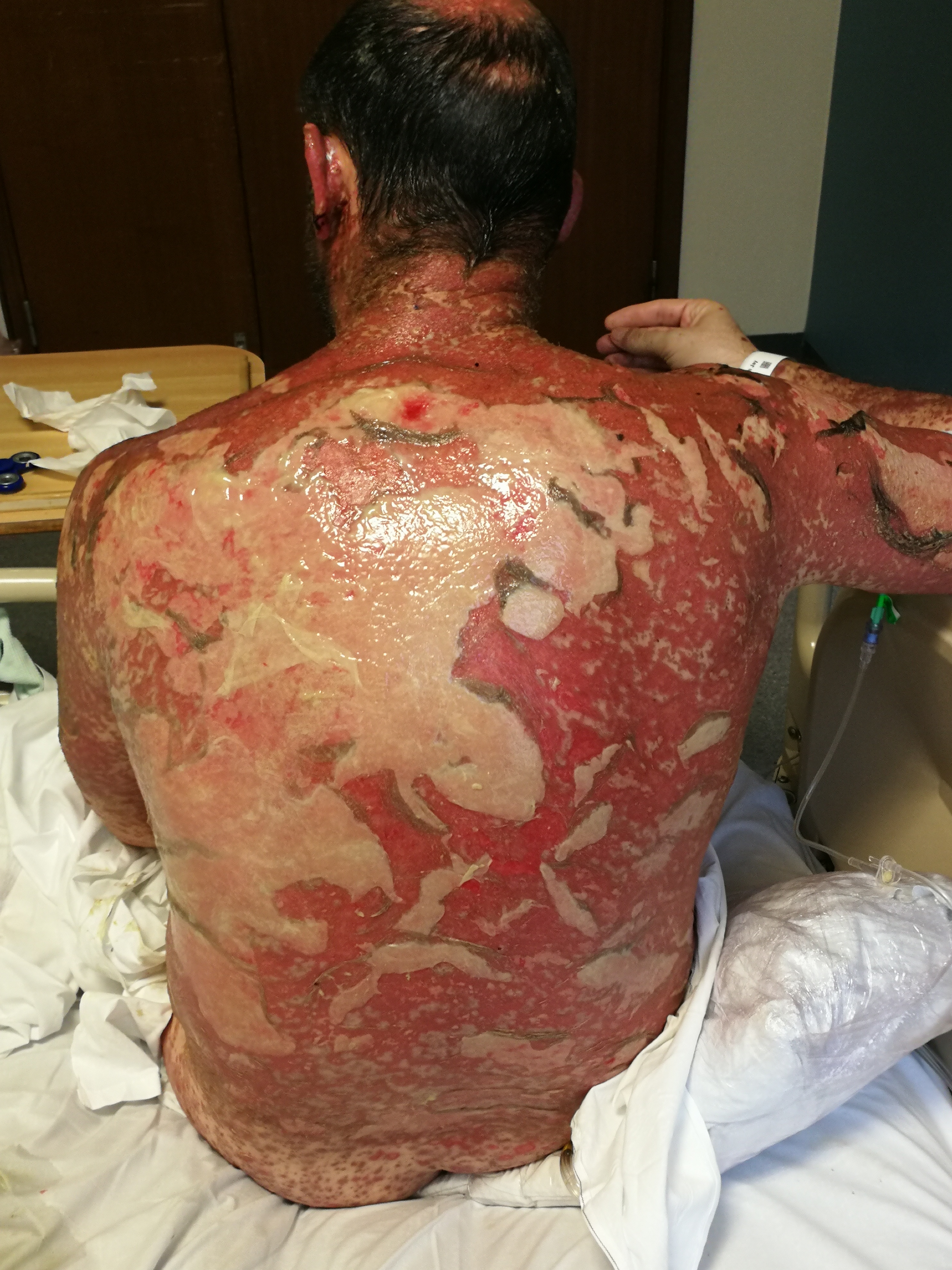
Category 3 catches you by surprise when it makes it an entry in the ED and serves as a reminder of why it is essential always to know something about everything. Stevens-Johnson Syndrome was one of those for me. Although rare, dermatological emergencies are essential to spot and can be life-threatening if left untreated.

Stevens-Johnsons Syndrome is a rare type 4 hypersensitivity reaction which affects <10% of body surface area. It is described as a sheet-like skin loss and ulceration (separation of the epidermis from the dermis).

Toxic epidermal necrosis and Stevens-Johnsons Syndrome can be mixed. However, distinguishing between both disease can be done by looking at % of body surface area involvement.

  • < 10% BSA = Stevens-Johnsons Syndrome
  • 10-30% BSA = Stevens-Johnsons Syndrome/Toxic epidermal necrosis overlap syndrome
  • > 30%= Toxic epidermal necrosis – above image is an example of toxic epidermal necrosis.

Pathophysiology is unknown

Pathophysiology is not clearly known; however, some studies show it is due to T cells’ cytotoxic mechanism and altered drug metabolism.

Causes

The most common cause of Stevens-Johnsons Syndrome is medications. Examples are allopurinol, anticonvulsants, sulfonamide, antiviral drugs, NSAIDs, salicylates, sertraline and imidazole.

As one of the commonest cause is drug-induced, it is a vital part of history taking. Ask direct and indirect questions regarding drug intake, any new (started within 8 weeks) or old medications and previous reactions if any.

Other causes are malignancy and infections (Mycoplasma pneumonia, Cytomegalovirus infections, Herpesvirus, Hep A).

Risk Factors

The disease is more common in women and immunocompromised patients (HIV, SLE)

Clinical Presentations

  • Flu-like symptoms(1-14 symptoms)
  • Painful rash which starts on the trunk and spreads to the face and extremities.
  • Irritation in eyes
  • Mouth ulcers or soreness

Clinical Exam Findings

  • Skin manifestation – Starts as a Macular rash that turns into blisters and desquamation.
  • An important sign in SJS is Nikolsky’s sign: It is considered positive if rubbing the skin gently causes desquamation.
  • 2 types of mucosa are involved in SJS – oral and conjunctiva, which precede skin lesions.
  • Other findings in the examination may include –
  • Oral cavity – ulcers, erythema and blisters
  • Cornea – ulceration

Diseases with a similar presentation – in children, staphylococcal scalded skin syndrome can be suspected as it has a similar presentation and can be differentiated with the help of a skin biopsy.

Diagnosis

Clinical awareness and suspicion is the cornerstone step for diagnosis. Skin Biopsy shows subepidermal bullae, epidermal necrosis, perivascular lymphocytic infiltration, which help for definitive diagnosis.

Management

Adequate fluid resuscitation, pain management and monitoring of electrolytes and vital signs, basic supportive or resuscitative actions are essential, as with any emergency management.

The next step is admitting the patient to the burn-unit or ICU, arranging an urgent referral to dermatology and stopping any offending medications. If any eye symptoms are present, an ophthalmology referral is required.

Wound management is essential- debridement, ointments, topical antibiotics are commonly used to prevent bacterial infections and ease the symptoms.

Complications

  • Liver, renal and cardiac failure
  • Dehydration
  • Hypovolemic or septic shock
  • Superimposed infection
  • Sepsis
  • Disseminated intravascular coagulation
  • Thromboembolism
  • Can lead to death if left untreated

Prognosis

Prognosis of a patient with Stevens-Johnson Syndrome is assesed by the SCORTEN Mortality Assesment Tool. Each item equal to one point and it is used within the 24 hours of admission.

• Age >/= 40 years (OR 2.7)
• Heart Rate >/= 120 beats per minute (OR 2.7)
• Cancer/Hematologic malignancy (OR 4.4)
• Body surface area on day 1; >10% (OR2.9)
• Serum urea level (BUN) >28mg/dL (>10mmol/L) (OR 2.5)
• Serum bicarbonate <20mmol/L (OR 4.3)
• Serum glucose > 252mg/dL (>14mmol/L) (OR5.3)

Predicted mortality based on the above total:

  • 0-1 Point = 3.2%
  • 2 Points = 12.1%
  • 3 Points = 35.3%
  • 4 Points = 58.3%
  • 5 Points = 90.0%

References and Further Reading

[cite]

Recent Blog Posts by Sumaiya Hafiz

Question Of The Day #26

question of the day
qod26
38 - atrial fibrillation

Which of the following is the most appropriate next step in management for this patient’s condition?

This patient presents to the emergency department with palpitations, a narrow complex tachycardia (<120msec), and an irregularly irregular rhythm. A close look at this patient’s EKG reveals the absence of discrete P waves and QRS complexes that are spaced at varying distances from each other (most apparent in lead V6). These signs support a diagnosis of Atrial Fibrillation, or “AFib.” Atrial Fibrillation is an arrhythmia characterized by an irregularly irregular rhythm, the absence of P waves with a flat or undulating baseline, and narrow QRS complexes. Wide-QRS complexes may be present in AFib if there is a concurrent bundle branch block or Wolff-Parkinson White Syndrome. AFib is caused by the electric firing of multiple ectopic foci in the atria of the heart. This condition is triggered by a multitude of causes, including ischemic heart disease, valvular heart disease, dilated or hypertrophic cardiomyopathies (likely related to this patient’s congestive heart failure history), sepsis, hyperthyroidism, excess caffeine or alcohol intake, pulmonary embolism, and electrolyte abnormalities.

The main risk in AFib is the creation of thrombi in the atria as they fibrillate, resulting in emboli that travel to the brain and cause a stroke. The CHA2DS2VASc scoring system is used to risk stratify patients and determine if they require anticoagulation to prevent against thrombo-embolic phenomenon (i.e. stroke). This patient has a high CHA2DS2VASc score, so she would require anticoagulation. In addition to anticoagulation, A fib is treated with rate control (i.e. beta blockers or calcium channel blockers), rhythm control (i.e. anti-arrhythmic agents), or electrical cardioversion. Electrical cardioversion (choice A) is typically avoided when symptoms occur greater than 48 hours, since the risk of thrombo-emboli formation is higher in this scenario. An exception to this would be a patient with “unstable” AFib. Signs of instability in any tachyarrhythmia are hypotension, altered mental status, or ischemic chest pain. This patient lacks all of these signs and symptoms. Although this patient lacks signs of instability, this patient’s marked tachycardia should be addressed with medical treatment. General observation (Choice C) is not the best choice for this reason. Intravenous adenosine (Choice D) is the best choice for a patient with supraventricular tachycardia (SVT). This is a narrow-complex AV nodal re-entry tachycardia with rates that range from 120-280bpm. SVT also lacks discrete P waves. A key factor that differentiates A fib from SVT is that SVT has a regular rhythm, while AFib has an irregular rhythm. Intravenous metoprolol (Choice B) is the best treatment option listed in order to decrease the patient’s heart rate.

References

  • Brady W.J., & Glass III G.F. (2020). Cardiac rhythm disturbances. Tintinalli J.E., Ma O, Yealy D.M., Meckler G.D., Stapczynski J, Cline D.M., & Thomas S.H.(Eds.), Tintinalli’s Emergency Medicine: A Comprehensive Study Guide, 9e. McGraw-Hill. https://accessmedicine.mhmedical.com/content.aspx?bookid=2353&sectionid=218687685
  • Burns, E. (2020) Atrial Fibrillation. Life in The Fast Lane. Retrieved from https://litfl.com/atrial-fibrillation-ecg-library/


[cite]

iEM Image Feed: Camel Bite

iem image feed camel bite
camel bite injury

EMS brought a 24-year-old man due to camel bite happened while feeding the camel in the early morning. The injury was basically on the right arm and forearm. No other injuries, vitally stable.

Students should know the following while taking care of these patients.

  1. Systematic evaluation of the patient – remember ATLS, primary and secondary survey.
  2. Focused neurologic and vascular examination.
  3. Exposing the wound and ordering an x-ray
  4. Wound cleaning and management
  5. Be aware of fracture – Open Fracture!
  6. Antibiotic coverage and tetanus toxoid/IG
  7. For open fractures – Look for Gustilo-Anderson Classification and choose appropriate antibiotics.  
  8. Do not forget – pain medication.
[cite]

Which Emergency Medicine Textbook Should You Read First?

emergency medicine books
As Dan Sanberg once said; “Emergency Medicine is the most interesting 15 minutes of all specialties”. Indeed, if we were to recommend one textbook to a newly graduated physician, it would probably make the most sense for it to be an Emergency Medicine textbook. So which one? I asked this question in Turkish and English to the Twitterverse recently. The responses showed once again the diversity of emergency medicine resources and the importance of basic textbooks. https://twitter.com/ibrahimsarbay/status/1305952482414206977 Justin Hensley reminded the fallacy of the sentence “I’ll read it just on the Internet” and the importance of keeping up-to-date as follows:I’m not sure there’s a right answer to this. Honestly, I would say the one that has the most recent new addition, because it will be the least out of date. The fundamentals need to come out of a text and not #FOAMed though. Can’t build a pyramid without a base. Shehni Nadeem said: “It’s hard to pick ONE. Here’s why: 1) Textbooks are critical to forming that foundation of knowledge but must be kept current 2) Ea textbook has a slightly different read to it. I would encourage the learner to try out each one and see which fits the best (did this as an intern)” Isn’t it a great idea to leave the preference to the reader by giving general information about the books rather than ranking the best for “me” or “person x”? Let’s do it like this. We will discuss the books included in this article in two groups according to book sizes.

Hand and Pocket Size Textbooks

You cannot see a doctor standing at the bedside with a large reference book in his/her hands. In fact, most textbooks are not even suitable to keep in your bag and take it wherever you go (Hello, back pains, hello!). Hand and pocket books have been prepared to solve this problem. TL; DR (Too long, didn’t read), the small ones of these books are called “pocket books” and the bigger ones are called “handbooks”. Isn’t that great? Yes, but please remember that “only” studying handbooks may not be enough if you haven’t read the topics from a broader source before. It is best to move on to these books after doing the basic reading. Or, as we all did when we first turned the pages of Tarascon, you’ll stare at the pages for a long time and try to understand whether it is English or Klingon.

1- Oxford Handbook of Emergency Medicine

The Oxford Handbook of Emergency Medicine, whose 5th edition has been released recently, is a starter book prepared for medical students, paramedics and physicians. The manual-sized work is still 800 pages long and contains basic information on many subjects from life-threatening emergencies to ENT, analgesia to toxicology. The fourth edition of the book was released in 2012. Emergency Medicine professor Richard Body also recommends this book to our readers as a starter book.

2- Emergency Medicine Secrets

Unlike many resource books, Emergency Medicine Secrets deals with questions and answers on every subject. For example, when you look at the Pneumonia section, you can find various questions (and answers, of course) such as, “Why should I learn about Pneumonia?”, “How does pulmonary infection develop?”, “What are the differences between the presentations of typical and atypical pneumonia?”. The book that can really benefit to the reader in this respect is 768 pages long.

3- Avoiding Common Errors in the Emergency Department

This work by Amal Mattu et al., One of the well-known names in FOAMed world, discusses 365 common mistakes in emergency medicine practice in a chatty, easy-to-read style, and offers practical, easy-to-remember tips to avoid these pitfalls. The fact that the chapters are short and understandable allows easy reading even when you are working. The second edition published in 2017 has a total of 1080 pages.

4- EM Fundamentals: The Essential Handbook for Emergency Medicine Residents

This pocket guide, prepared by EMRA (Emergency Medicine Residents Association) for Emergency Medicine residents, is one of the ideal books you can take with you during your emergency department shifts. On 366 pages, it summarizes common situations that may be encountered in the emergency room, in clear language and without missing the necessary emphasis.

5- Tarascon Adult Emergency Pocketbook

I do not think there is an emergency medicine physician unfamiliar with Tarascon (at least in Turkey). We know that on many Emergency Medicine Clinics those who do not have Tarascon in their pockets at bedside visits are condemned. As someone who is always amazed at how many things fit into this 240-page pocket book, I say, “If you haven’t found what you are looking for in basic emergency medicine in this book, look again, there is for sure.” Tarascon published books in a series style from Pediatric Emergency to Orthopedics. I recommend especially Adult Emergency and Medical Procedures pocket books. Character sizes may spoil the taste of those who like to read books written in big fonts and large line spacings. But the goal here is to be as small as possible, so it is understandable.

6- Tintinalli’s Emergency Medicine Manual

Would there be an Emergency Medicine list without Tintinalli? Tintinalli book appears with large-small-median dimensions. The last version of this book, which is easy to read and will not let the reader down with its structure containing plenty of pictures, tables and graphics, is the 8th edition published in 2017. It covers every subject an Emergency physician may need, and Palliative Care is no exception. The preface to the latest edition is also giving a glimpse of Emergency Medicine’s history.

Large Textbooks

Large textbooks that might be expected not to leave “anything missing” in their field often have a serious volume and a long list of authors. These works that will have a dedicated spot in your library to grab and read from time to time over the years may be too much for a medical student or a newly graduated physician. But if it is necessary to prepare a presentation or learn a subject in depth, the address is clear.

1- Adams Emergency Medicine: Clinical Essentials

This 1888-page “tome”, which weighs nearly 5 kilograms, provides extensive information on any subject you may need in a visually rich and easily understandable language. The disadvantage is that the second original edition is dated 2012. So it may be partly outdated. Elsevier is sharing the book online (for a fee) under the title Adams Emergency Medicine Review. However, even that was published in 2015.

2- Clinical Emergency Medicine

Clinical Emergency Medicine contains information on the diagnosis and treatment of 98 changes and condition in 400 pages. Each chapter starts with the Key Points. It also continues with Introduction, Clinical Presentation (History and Physical Examination), Diagnostic Studies, Medical Decision Making, Treatment and Discharge, and Reading Recommendations. The printing date is a bit old. The last edition was published in 2014.

3- Diagnosis And Management Emergency Medicine

The 556-page work by Mike Cadogan is not only practical, but also includes a very comprehensive content. The eighth edition has been completely revised and updated. the book covers all emergencies as well as procedures and administrative and legal issues.

4- First Aid For The Emergency Medicine Boards

Published for those who want to prepare for the Emergency Medicine Boards exams organized by the American Board of Emergency Medicine, this book offers a great option for those who want concise summaries with reminder boxes, notes, mnemonics and clinical pearls. Each subject is briefly described in subheadings such as Symptoms, Diagnosis, and Treatment in this approximately 1000-page book.

5- CURRENT Medical Diagnosis And Treatment

This book can be considered as an Internal Medicine textbook. However, in addition to Internal Medicine subspecialties such as geriatrics, preventive medicine and palliative care; it offers detailed reviews of all internal medicine disciplines such as gynecology and obstetrics, dermatology, ophthalmology, neurology, psychiatry, and infectious diseases. The book includes the diagnosis and treatment of more than 1000 diseases and is about 2000 pages. It is ALWAYS up-to-date due to its yearly updates.

6- Rosen & Barkin’s 5-Minute Emergency Medicine Consult

In this textbook, each subject is summarized in 2 pages divided into three sections. The last edition of the chapter, in which every subject is explained systematically in Introduction, Diagnosis, Treatment, Follow-up, Tips, Reading, ICD Codes sections. Its last edition was published in 2019 with a length of 1256 pages.

7- Rosen’s Emergency Medicine: Concepts And Clinical Practice

This book is one of the “brand”s of our field. The original version is 2688 pages long. When you think about it yu will realise that even if you read 10 pages a day, it will be over in 9 months. Due to its size, its suitability for colleagues who do not intend to acquire an Emergency Medicine profession can be discussed, but making a list that Rosen is not included will also upset every Emergency physician.

8- Tintinalli’s Emergency Medicine

I think it would suffice to say that it is the best selling Emergency Medicine book worldwide. Tintinalli’s word is deed, wherever Emergency Medicine is experienced, from in-clinic trainings to certification exams. The 9th edition, published very recently, is 2160 pages long. Pre-hospital care, disaster preparedness and resuscitation techniques… You can find everything you can think of in this book, from all major medical, traumatic and environmental conditions that require urgent treatment in adults, children and neonates.

Conclusion

Suppose you are going to Antarctica as a “team doctor”. You will be completely isolated from the outside world for 3 months. Neither a plane nor a ship will bring aid. Which textbook would you choose to take with you? In my opinion, the answer to this question for every physician is an Emergency Medicine textbook. Due to the nature of our expertise, every textbook will undoubtedly help Emergency in at least one way. If you choose to read a good Dermatology or a good ENT textbook, you will definitely benefit. From another angle, even the most comprehensive Emergency Medicine textbook will not enable you to learn everything, for example, a thorough understanding of all heart rhythms or interventional procedures. You should refer to thousands of pages of books written specifically for these. Therefore, our aim in this article was to present a collection of textbooks that examine Emergency Medicine as a whole. While choosing from hundreds of textbooks, we got the great support of the Twitter #FOAMed world. Most of the photos above were provided by the physicians mentioned below. I thank them very much. If knowledge is a flower garden, textbooks are honeycombs prepared by “master” bees by roaming around those flowers. Rather than visiting thousands of flowers one by one and trying to distinguish between good and bad; it would be most logical to set the foundation on these “honeycombs” and set sail to new gardens. What did Justin Hensley say? “You can’t build a pyramid without a base.” Exactly.   We would like to thank the following names for their contributions to this article (alphabetical order): Ali Kemal Yıldız, Arif Alper Çevik, Ayhan Özhasenekler, Barış Murat Ayvacı, Berika Kavaz Kuru, Bora Çekmen, Burak Özkan, Cem Turam, Ener Çağrı Dinleyici, Fatih Beşer, Gizem Altınsoy, Göksu Afacan Öztürk, Haldun Akoğlu, İbrahim Varol, Justin Hensley, Mehmet Çulha, Mike Cadogan, Nevrez Koylan, Nurettin Özgür Doğan, Oğuzhan Aytepe, Onurcan Kaya, Richard Body, Salahi Engin, Shehni Nadeem, Yonca Bulut, Yusuf Ali Altuncı, Zeynep Kekeç. You can read the Turkish version of this article on Acilci.net: “Hangi Acil Tıp Kitabı?”
[cite]

Recent Blog Posts by Ibrahim Sarbay

Question Of The Day #25

question of the day
qod25
835 - 3rd degree heart block

Which of the following is the most likely diagnosis of this patient’s condition?

This patient has marked bradycardia on exam with a borderline low blood pressure. These vital sign abnormalities are likely the cause of the patient’s dizziness. Bradycardia is defined as any heart rate under 60 beats/min. The most common cause of bradycardia is sinus bradycardia (Choice A). Other types of bradycardia include conduction blocks (i.e. type 2 or type 3 AV blocks), junctional rhythms (lack of P waves with slow SA nodal conduction), idioventricular rhythms (wide QRS complex rhythms that originate from the ventricles, not atria), or low atrial fibrillation or atrial flutter. About 80% of all bradycardias are caused by factors external to the cardiac conduction system, such as hypoxia, drug effects (i.e., beta block or calcium channel blocker use or overdose), or acute coronary syndromes.

ecg qod25Sinus bradycardia (Choice A) occurs when the electrical impulse originates from the SA node in the atria. Signs of sinus bradycardia on EKG are the presence of a P wave prior to every QRS complex. This EKG shows P waves prior to each QRS complex, but there are extra P waves that are not followed by QRS complexes. Some P waves are “buried” within QRS complexes or within T waves. The EKG below marks each P wave with a red line and each QRS complex with a blue line.


First-degree AV Block (Choice B) is a benign arrhythmia characterized by a prolonged PR interval. This patient’s EKG has variable PR intervals (some prolonged, some normal). This is a result of a more severe AV conduction block. Second-Degree AV Blocks are divided into Mobitz type I and Mobitz Type II. Mobitz type I, also known as Wenckebach, is characterized by a progressive lengthening PR interval followed by a dropped QRS complex. This can be remembered by the phrase, “longer, longer, longer, drop.” Wenckebach is a benign arrhythmia that does not typically require any treatment. Mobitz type II (Choice C) is characterized by a normal PR interval with random intermittent dropping of QRS complexes. This patient’s EKG has consistent spacing between each QRS complex (blue lines) and consistent spacing between each P wave (red lines). However, the P waves and QRS complexes are not associated with each other. This phenomenon is known as AV dissociation. These EKG changes are signs of a complete heart block, also known as Third-Degree AV Block (Choice D). Both Second-Degree AV block- Mobitz type II (Choice C) and Third-Degree AV Block (Choice D) are more serious conduction blocks that require cardiac pacemakers. Correct Answer: D

References

  • Brady W.J., & Glass III G.F. (2020). Cardiac rhythm disturbances. Tintinalli J.E., Ma O, Yealy D.M., Meckler G.D., Stapczynski J, Cline D.M., & Thomas S.H.(Eds.), Tintinalli’s Emergency Medicine: A Comprehensive Study Guide, 9e. McGraw-Hill. https://accessmedicine.mhmedical.com/content.aspx?bookid=2353&sectionid=218687685
  • Nickson, C. (2020). Heart Block and Conduction Abnormalities. Life in the Fast Lane. Retrieved from https://litfl.com/heart-block-and-conduction-abnormalities/


[cite]

Recognising Child Maltreatment and Steps to Safeguarding Children and Young People in the Emergency Department

recognizing child maltreatment

Safeguarding Children and Young People

In the busy and stressful environment of the emergency department (ED), it is often easy for us to miss the inexplicit signs or calls for help from children and young people! When looking at it from a broader view, the paediatric population is sometimes a part of the category of vulnerable patients who cannot ask for help, and may at times not realise they need it. Of the millions of children that pay visits to the ED a year, some present with non-accidental or non-intentional illnesses that had been brought upon by abuse or neglect. The ED can often be the first contact these children have with healthcare professionals, making it imperative that we notice the faint signs of maltreatment that may direct us towards acting for their protection.

The term safeguarding, as described by the government document, Working Together, encompasses the act of protecting children and young people from maltreatment, ensuring children and young people are growing up in a safe and healthy environment, and ensuring the best outcomes for all children and young people.

Who’s at Risk?

Parental issues, including alcohol/substance misuse, mental health problems, and domestic abuse, can indicate an unsafe environment for children. Additionally, poverty, poor housing, poor relationships with carers/parents, and a lack of support for the child can increase the risk of child maltreatment. Babies and disabled children are at an even greater risk of physical abuse.

Whose Responsibility is it to Protect and Safeguard Children and Young People?

According to various legislations, including the Children Act 2004, all healthcare staff and organisations must respond in times of suspected child maltreatment and take effective action to safeguard and protect these children. All healthcare staff should be prepared to amend their practice into a child-focused approach if there is any recognition of the risk of abuse or neglect in a child.

All NHS Trusts will have a specifically allocated doctor or nurse for safeguarding. Make sure to know who this is; they will be your point of contact if you have any concerns on safeguarding and child protection issues! This named healthcare professional will have the expertise to advise other professionals on the appropriate action to take.

What to do if a child reveals abuse:

  • Listen attentively
  • Let them know they have done the right thing by telling you
  • Tell them it is not their fault
  • Tell them you take them seriously
  • Do not confront the alleged abuser
  • Explain what you will do next
  • Report what the child has told you as soon as possible

Recognising Maltreatment

There are many forms of maltreatment a child may suffer from, including physical, emotional and mental. Many of these signs and symptoms don’t always point towards maltreatment immediately. The background history and presentation of the child will often be key to identifying issues. However, it may be worth considering child maltreatment if you notice the following:
 
  • A child that regularly has injuries (– check their records!)
  • Previous or current involvement with Children Social Care
  • The pattern of injury doesn’t make sense or match the history/explanation
  • A delay in seeking medical help (without appropriate explanation)
  • If the parent/carer leaves with the child before they are seen at the ED
      • Although there may be credible reasons for this, the Trust was responsible for ensuring all children in their care have a safe discharge. If the child leaves without the staff having been informed, action is required to ensure their safety.
  • Child missing appointments
  • Child not being registered with a GP

Physical symptoms of abuse:

  • Bruises/Swelling
  • Burns or scalds
  • Bite marks
  • Broke or fractured bones
  • Scarring
  • Signs of poisoning (vomiting, drowsiness, seizures)
  • Difficulty breathing  (as a result of drowning, suffocation, poison)
  • Evidence of neglect (unkempt, malnourished, smelly, dirty) 

Behavioural symptoms of abuse:

  • Anti-social behaviour
  • Anxiety, depression, suicidal thoughts
  • Drug/alcohol use
  • Eating disorders
  • Aggression/Tantrums
  • Bed-wetting, insomnia
  • Problems in school (slow development)

Next Steps if Maltreatment is Suspected

When abuse is suspected, a referral to social care must be made within 24 hours (the sooner, the better). Make sure records are kept! The child will have registered with the reception staff and given their demographics, but it is important that he child’s GP and school details are in the system, as well as recording the details and relationship of the person(s) accompanying the child. Have a look through previous history/attendances for any potential indicators of reoccurring/previous child maltreatment.

To prepare for making a social care referral, first discuss the concerns with a senior staff member in the ED. Ensure some of the indicators of child maltreatment (such as those listed above) are present to support the referral decision. Consider previous information available about the child that is relevant (such as those on previous medical attendances). The child’s demographics should be known and recorded, and then contact the Local authority of the area the child normally resides to see if the child is subjected to a child protection plan or maybe previously known to children’s care services. Carry out any relevant lateral checks (GP, school nurse, etc.) Consider looking at the Trust’s local Thresholds for referral document before continuing to make the referral. If any further advice is needed, the safeguarding team can be contacted.

Children presenting with self-harm or suicidal issues
Children (ages 0-16) should be referred to a paediatrician/child psychiatrist if they present with thoughts or acts of self-harm or suicide. Trust guidelines on dealing with self-harm in children 16 years and under are available at your local Trust, as well as by NICE guidelines. All children (aged 0-18) presenting with substance misuse issues or emotional issues should be further referred to CAMHS.

Upon discharge, all children should be given the appropriate resources within the department so they know who to contact for support or further information (this could include leaflets, phone numbers, etc.)

Safeguarding Children and the Data Protection Act 1998

The law permits the disclosure of confidential information when necessary to safeguard a child. Personal information (about the child or family) is confidential. Healthcare professionals are subjected to a legal duty of confidence. However, information that is relevant, pertinent, and justified in the child’s interest may be disclosed without consent.

References and Further Reading

[cite]

Recent Blog Posts by Nadine Schottler, Great Britain

Snakebite: Two years and 200 cases later

snakebite

We practice as independent doctors right after MBBS in Nepal. One of my professors used to say, “One day, you will sleep as a medical student and wake up as a doctor.” What that meant for me was, after I graduate from medical school, I’d pack my bags and head towards a rural village to “save lives.” Like any other life transitions, this one felt unchartered, unknown, and scary. I felt severely underprepared. As time passed by, I started appreciating my internship year. We have a year of internship after MBBS at the teaching hospital where we work as a junior doctor. At Beltar—my workplace, I’d remember how the patient with enteric fever was managed back home, brush up on the details with a quick read in UptoDate, and play doctor.

"One day, you will sleep as a medical student and wake up as a doctor." What that meant for me was, after I graduate from medical school, I'd pack my bags and head towards a rural village to "save lives." Like any other life transitions, this one felt unchartered, unknown, and scary. I felt severely underprepared.

The general structure of how I practiced medicine was; model what my professors used to do, read up on what is new/has changed, and treat patients. One day, some people carried a young child with droopy eyes, flappy tongue, and drowning in his saliva to the PHC. “He was bit by this snake!” The man with tearful eyes was holding on to a dead brown snake. Do you see a problem there? My go-to structure for practicing medicine crumbled. Underprepared would be an understatement. We were lucky that a team of trained armies helped set up the snake bite center in the PHC.

As some months passed by, I started feeling somewhat competent in managing snakebite cases. Any lesson you learn in medicine is a work in progress, but here are some I can recall:

The oversimplified version of snakebite treatment is–give antivenom and wait. In my experience, what we do while waiting, matters a lot. The neurotoxin that makes the patient paralyzed does not shut his brain down. He can listen and see, and we can use that to our advantage. Tell him what you are doing. Let him know what to expect. Talk to him. Open his eyes and make him see his loved ones are nearby. Make him believe that people are working hard to help him.

Amid scrutinized protocols, results of giant multi-center RCTs, and excellent well-formatted articles, it is easy to forget that what we do is taking care of a patient—the most basic of human skills. “LATERAL RECUMBENT!” I found myself shouting out of instinct. The patient was drowning in his saliva. My team tried hard to protect the patient’s airway as per protocol by extending his neck. But the patient was having a hard time breathing due to secretions. Sure we could not use the suction; unreliable electricity supply, broken suction machine, lack of funding, and whatnot, but we could still care. Use your mirror neurons; what would you want people to do if you were where the patient is?

Timely referral can be the difference between life and death. Understand the limitations of where you are working. Do you have a properly functioning suction? How reliable is your electricity? Do you have a ventilator? How far would you have to send the patient to get one? Manage your internal alarm accordingly. For us, the only respiratory support was a bag valve mask, and the transport to the nearest facility with a ventilator was at least 2 hours. Knowing that helps you be acceptably anxious and make informed decisions.

There is no substitution for empathetic yet informative communication with the patient and their loved ones. Clarify your assessment, plan, and signs that will prompt you to refer the patient. Talk to the anxious patient parties in a supportive tone but tell them that antivenom has ADRs, probably more than most drugs you use. When working in rural, especially in high-risk cases like snakebite, keeping the patient and their caretakers informed should be a priority.

Talk about ways to prevent snake bites. These beautiful creatures aren’t violent. Be interested in how the patient was bitten. After a while, you will start recognizing a pattern that you can use to educate the target population. Also, not everyone comes with the snake to the hospital. Have a poster of different types of snakes available. Identifying if the snake was venomous is one of the initial steps, after all. Print the local and national statistics about antivenom use and results and paste them in the waiting area. It will help patient parties calibrate their expectations accordingly.

A visual poster of common snakes found in Nepal placed at the entrance of Snakebite Treatment Center.

Summer and rainy seasons are when the unfortunate encounters between humans and snakes happen. It is easy to forget the snakebite management protocol, equipment necessary, what workarounds were used to help us, and what drugs we have in stock. A small refresher session can go a long way in boosting your team’s confidence in treating snakebites.

Snakebite Management Protocol posted in treatment center.
Logistics arranged for snakebite management.
[cite]

Recent blog posts by Carmina Shrestha

The toxic honey that destroyed several armies

The toxic honey that destroyed several armies

Ingestion of “mad honey” causes severe hypotension and bradycardia. Let us learn about the intoxication given by the grayanotoxin family.

In Italian, there is a literary expression known as: “losing the Trebizond,” which means losing control, feeling confused and disoriented. Trebizond was an important port on the southern coast of the Black Sea, where the maritime lighthouse was strategically located for sailors, especially the Venetians, whose colonial rule extended from the coasts of western Greece to the straits of the Dardanelles and the Bosporus. In the province of this seaside town, a type of honey produced disorientation, confusion, and fainting. We then explored why it is called “mad honey.”

Panoramic view of the city of Trabzon and its port on the Black Sea (from Wikipedia – Nezih Durmazlar – Flickr: Panoromik Trabzon – CC BY-SA 2.0)

What is meant when we talk about “mad honey?

“Mad honey” is toxic, and is from the nectar of various species of rhododendron, in particular Rhodendrum ponticum and Rhododendrum luteum. These plants are largely found in Turkey (in the Black Sea area near the city of Trebizond), but are also in Japan, Nepal (especially in the area where the Gurung people live), and Brazil. This honey, made by local bees, is called “mad,” because it contains several toxins of the grayanotoxin family (GTX). GTXs belong to liposoluble diterpenoids [1]; similar to veratridine, aconitine, and batrachotoxin, they are known for poisoning and killing livestock.

Rhododednrum luteum (from Wikipedia – Chrumps – CC BY 3.)
Rhododendron ponticum (from Wikipedia – Ragnhild&Neil Crawford – CC BY-SA 2.0)

Why did this honey undermine two armies?

In 401 BC, the Greek general Xenophon described one of the first intoxications with this honey, which affected over 10,000 men of his army:

“For the most part, there was nothing which they found strange; but there were numerous swarms of bees in the neighbourhood, and soldiers who ate it went out of their heads,suffering from vomiting and diarrhea: not one of them could stand up, but those who had eaten a little were like very drunk people, while those who had eaten a lot seemed like crazy, or in some cases, dying men.”

(Anabasis 4.8.20)

In 67 BC, another case of intoxication was described by the Roman general, Pompey the Great. His retreating troops were the protagonists of the first bioweapon case in history. Their adversary, King Mithridates, deliberately placed combs of mad honey in the path of the advancing Romans, staging a strategic withdrawal. The Roman troops were so weakened (from intoxication), that they were defeated by Mithridates’ army. In 946 AD, Queen Olga of Kiev massacred over 5,000 Drevians, who rushed to her husband’s funeral using mad honey as poison; in 1489 AC, about 10,000 Tatar soldiers were killed after drinking too many flasks of mead, who were purposely abandoned by the Russian soldiers. In the past, however, the mad honey was also used as a drug. Aristotle [2], Dioscorides [3], and Pliny the Elder [4] had described the therapeutic properties of this honey

The statue of Xenophon is located near the Greek Parliament. (from Wikipedia – Wienwiki / Walter Maderbacher – CC BY-SA 3.0)

Is mad honey still used today?

“Mad honey” is still sold today in an unprocessed form in rural markets, under the Turkish name “DELI BAL.” In fact, studies and clinical cases on GTX intoxication come from the Trabzon province (more widely, from Turkey [5] where the honey is used not only as a food, but in folk medicine as a sexual stimulant [6], antihypertensive [7], and hypoglycemic drug. Other uses of this honey in folk medicine were to treat peptic ulcer, abdominal pain, indigestion, flu, and arthritis.

How long does it take from ingestion to onset of symptoms?

On average, symptoms appear about one to two hours after ingestion. The average quantity for symptoms is varied (people report from 1 to 5 tablespoons, so it is estimated as 5 to 180 g). Given that the diffusion of grayanotoxins is not uniform in honey, we should think of this data as not highly predictive [8]: we note that the severity of symptoms also depends on other factors, such as the quantity of toxin ingested, the body’s sensitivity to it, and when the honey was produced.

What are the most common symptoms of intoxication with mad honey?

The symptoms would usually be:

  • nausea and vomiting
  • profuse sweating
  • blurred vision
  • hypersalivation
  • prostration
  • bradycardia
  • severe hypotension
  • syncope

For a more complete history for reaching the diagnosis of mad honey intoxication, it was helpful to ask a patient if he traveled to areas where it existed if he has ingested it, the reason for that (for pharmacological purposes, this question helps us understand if a patient is suffering from certain diseases, such as hypertension or diabetes), and where this mad honey was bought.

Are there any electrocardiographic changes?

Electrocardiographic changes such as sinus bradycardia and atrioventricular blocks [9] of varying degrees (I-III) are frequently found. It would appear that the GTXs act by dysregulating the voltage-dependent sodium channels in the nervous system, which are activated in a permanent state of depolarization [10]. Continued activation of these cells causes bradycardia, respiratory depression, hypotension, and loss of consciousness [11].

Voltage-gated sodium channel with group II receptor site domains highlighted in red. (from Wikipedia -Cthuljew – CC BY-SA 3.0)
The patient’s initial electrocardiography (ECG) findings upon arrival to the emergency department consistent with third-degree atrioventricular block. This finding prompted consultation of the cardiology service for treatment guidance and is a common manifestation of grayanotoxin ingestion. (from JACC: CASE REPORTS – https://doi.org/10.1016/j.jaccas.2019.09.015 – CC BY-NC-ND 4.0)

What therapeutic approach should be adopted?

  • Monitor vital and cardiac parameters.
  • Support therapy with intravenous crystalloid fluid (normal saline solution).
  • Use atropine sulfate at a moderate dose from 0.5 to 2 mg intravenously to resolve marked hypotension and respiratory depression.
  • Vasopressors or pacemakers if/when the rhythm is not restored.

We should consider achieving a normal heart rate and normal blood pressure values as therapeutic goals. Once these goals are achieved, the patient should be kept for a short period of observation in the emergency department – and if no other problems arise, he can be safely discharged [12, 13]. Furthermore, I would like to emphasize that grayanotoxin metabolism and excretion take place within 24 hours, and thus the symptoms last no more than a day.

What is the take-home message?

In patients with bradycardia and hypotension of unexplained origin, this type of intoxication should be considered especially in middle-aged males who have probably taken mad honey as a sexual stimulant.


References and Further Reading

[1] Jansen SA, Kleerekooper I, Hofman ZLM et al (2012) Grayanotoxin Poisoning: ‘Mad Honey Disease’ and Beyond. Cardiovasc Toxicol 12:208–215. https://doi.org/10.1007/s12012-012-9162-2

[2] Aristotle (1936) De mirabilius auscultationibus. Aristotle Minor Works on Marvelous Things Heard. Loeb, Cambridge, p. 245.

[3] Dioscorides (2000) De materia medica. Ibidis Press, Johannesburg, p. 226.

[4] Mayer A (1995) Mad honey. Archaeology 46(6):32–40.

[5] Sibel Silici A, Timucin A (2015) Mad honey intoxication: A systematic review on the 1199 cases. Food Chem Toxicol 86:282-290. https://doi.org/10.1016/j.fct.2015.10.018

[6] Demircan A, Keleş A, Bildik F, Aygencel G, Doğan NO, Gómez HF (2009) Mad honey sex: therapeutic misadventures from an ancient biological weapon. Ann Emerg Med 54(6):824-829. doi: 10.1016/j.annemergmed.2009.06.010

[7] Hanson JR (2016) From ‘mad honey’ to hypotensive agents, the grayanoid diterpenes. Sci Prog 99(3):327-334. doi: 10.3184/003685016X14720691270831

[8] Aygun A, Sahin A, Karaca Y, Turkmen S, Turedi S, Ahn SY, Kim S, Gunduz A (2017) Grayanotoxin levels in blood, urine and honey and their association with clinical status in patients with mad honey intoxication. Turk J Emerg Med 18(1):29-33. doi: 10.1016/j.tjem.2017.05.001

[9] Cagli KE, Tufekcioglu O, Sen N, Aras D, Topaloglu S, Basar N, Pehlivan S (2009). Atrioventricular block induced by mad-honey intoxication: confirmation of diagnosis by pollen analysis. Tex Heart Inst J 36(4):342-344.

[10] Gunduz A, Tatli O, Turedi S (2008). Mad honey poisoning from the past to the present. Turk J Emerg Med 8:46-49.

[11] Sana U, Tawfik AS, Shah F (2018) Mad honey: uses, intoxicating/poisoning effects, diagnosis, and treatment. RSC Adv 8:18635-18646.

[12] Gündüz A, Meriçé ES, Baydin A, Topbas M, Uzun H, Türedi S, Kalkan A (2009) Does mad honey poisoning require hospital admission? Am J Emerg Med 27:424-427.

[13] Yaylacı S, Ayyıldız O, Aydın E, Osken A, Karahalil F, Varım C, Demir MV, Genç AB, Sahinkus S, Can Y, Kocayigit İ, Bilir C (2015) Is there a difference in mad honey poisoning between geriatric and non-geriatric patient groups? Eur Rev Med Pharmacol Sci 19(23):4647-4653.

[cite]