Burns and Smoke Inhalation (2024)

by Michaela Banks, Anthony Dikhtyar, Jacquelyne Anyaso, & Ashley Pickering

You have a new patient!

A 26-year-old male presents to the emergency department with burns on his face, arms, hands, and torso. He states that he was burning trash in his front yard without his shirt on when a big explosion occurred. He appears distressed and short of breath. The presence of singed nasal hairs is also noted. Examination reveals multiple partial- and full-thickness burns with blisters and surrounding redness. His vitals are as follows: HR: 130  BP (taken on R calf): 130/80 RR: 30 SpO2: 75%. His weight: 75kg

a-photo-of-a-26-year-old-male-with-burns (the image was produced by using ideogram 2.0)

What do you need to know?

Importance

Burn injuries result from various sources and can range in severity. The mortality rate from thermal burns is directly related to the size of the burn [1]. Large and deep burns can trigger systemic responses, such as shock, which can lead to death. Three key risk factors that increase the likelihood of complications include: age over 60 years, inhalation injuries, and non-superficial burns (partial and full-thickness) covering more than 40% of the total body surface area (TBSA) [2].

Epidemiology

Burn injuries are a significant public health issue, with approximately 450,000 individuals seeking medical attention annually, and about 45,000 requiring hospitalization [2]. Residential fires are the leading cause of burn-related deaths, contributing to nearly 3,500 fatalities per year. Smoking materials, such as cigarettes, are the primary cause of fire-related deaths, while other fatal injuries stem from motor vehicle crashes, electrical contact, or exposure to chemicals. Men constitute 71% of burn patients, with children under five representing 17% [2]. Most burns occur at home (65%) and involve less than 10% total body surface area (67%). Advances in burn care have improved survival rates to 96% [2]. Roughly 86% of all burns are caused by thermal injury. Flame and scald burns are the leading causes of burns in children and adults. Inhalation injury is present in two-thirds of patients with burns greater than 70% of TBSA. 

Pathophysiology

Burn injuries, caused by heat, chemicals, electricity, or radiation, trigger a complex interplay of local and systemic responses. At the cellular level, burn wounds are divided into three distinct zones: coagulation, stasis, and hyperemia. The central zone of coagulation undergoes irreversible cell death due to protein denaturation, necessitating surgical intervention in many cases. Surrounding it, the zone of stasis contains viable but at-risk cells that can either recover with proper care or progress to necrosis. The outer zone of hyperemia typically recovers fully within days due to its inflammatory response and intact blood flow [2-4].

Burns prompt a robust inflammatory response, increasing capillary permeability and causing fluid shifts that lead to edema. Local edema compromises blood flow and cell survival in the zone of stasis, while systemic edema in large burns contributes to hypovolemia, the primary cause of burn shock. Immediate and adequate fluid resuscitation is critical to prevent worsening injury and maintain organ perfusion [2-4].

Specific burn types exhibit unique pathophysiologies. Inhalation injuries from superheated gases or toxic smoke cause airway edema, inflammation, and potentially fatal complications like carbon monoxide poisoning and ARDS [5]. Chemical burns differ by agent, with acids causing coagulation necrosis and alkalis leading to deeper liquefaction necrosis. Electrical burns often involve extensive internal damage along the current’s path, risking cardiac arrhythmias and systemic effects. Radiation burns, though rarer, involve cellular damage through ionizing radiation exposure [2-4].

Systemically, extensive burns induce a hypermetabolic state, immune suppression, and systemic inflammatory responses affecting multiple organs. Cardiovascular effects, such as burn shock, respiratory compromise, and heightened infection risks, are key complications. Patient outcomes hinge on factors like burn depth, TBSA, age, inhalation injury presence, and quality of initial management, underscoring the importance of specialized burn center care.

Burn Depth

Burn depth classification is fundamental to assessing burn injuries, guiding treatment decisions, and predicting outcomes. Accurate determination of burn depth, particularly for partial-thickness burns, remains challenging, even for skilled clinicians. This underscores the need for continued research and advanced technologies to enhance diagnostic precision.

Traditionally, burns are categorized into four classes based on the extent of tissue damage [4]:

  1. Superficial Thickness (First-Degree) Burns: These affect only the epidermis, presenting with redness, pain, and warmth without blistering. Healing occurs within a few days without scarring.
  2. Partial-Thickness (Second-Degree) Burns: These penetrate the dermis and are subdivided into:

    1. Superficial Partial-Thickness Burns: Involving the upper dermis, they are painful, moist, and blistered, typically healing within 2–3 weeks with minimal scarring.

    2. Deep Partial-Thickness Burns: Reaching deeper dermal layers, these burns cause damage to sweat glands and hair follicles. They are less painful due to nerve damage, appear mottled and dry, and may require 3–8 weeks or longer to heal, often resulting in scarring or contractures.

  3. Full-Thickness (Third-Degree) Burns: These burns destroy the entire epidermis and dermis, extending into subcutaneous tissue. They appear white, brown, or charred with a leathery texture and are insensate due to nerve destruction. Healing requires surgical intervention, such as skin grafting, and leaves significant scars.

  4. Fourth-Degree Burns: Extending into muscles, bones, tendons, or ligaments, these burns are characterized by blackened tissue and often result in loss of the affected part.

These classifications provide a framework for clinicians to tailor interventions and anticipate patient needs, particularly in severe or complex burn cases. The illustration below displays the various categories of burn depth [4].

From: [4] Jeschke MG, van Baar ME, Choudhry MA, Chung KK, Gibran NS, Logsetty S. Burn injury. Nat Rev Dis Primers. 2020;6(1):11. Published 2020 Feb 13. doi:10.1038/s41572-020-0145-5

Medical History

Accurately gathering a burn history is critical for evaluating the injury’s severity, identifying risks, and tailoring management. The AMPLET mnemonic is widely recommended for systematic collection of essential information regarding the event and the patient’s medical background. Additionally, specific questions based on the type of burn provide crucial details for precise assessment and treatment [2-4, 6].

Allergies (A):
Identifying drug and environmental allergies is essential to avoid adverse reactions during treatment.

Medications (M):
A detailed list of current medications, including prescription drugs, over-the-counter remedies, herbal supplements, and home treatments, is vital to anticipate potential drug interactions or complications.

Past Medical History (P):
Knowledge of pre-existing conditions, such as diabetes, cardiovascular disease, lung disorders, or bleeding tendencies, helps predict how the patient may respond to burn injuries and resuscitation. Tetanus immunization status should also be reviewed and updated if necessary (see “T”).

Last Meal or Drink (L):
Documenting the patient’s last meal or drink is crucial for surgical planning, as recent food intake may require delays in procedures involving anesthesia.

Events/Environment Relating to Incident (E):
A detailed account of the burn incident helps identify the mechanism of injury, the risk of inhalation injury, and associated trauma. Important elements to document include:

  • Type of burn: Thermal, chemical, electrical, or radiation.
  • Cause of burn: Flame, scald, contact with hot objects, chemicals, or electricity.
  • Incident location: Indoor/outdoor, enclosed space, smoke presence.
  • Duration of exposure: Time spent in contact with the burn source.
    First aid administered: Cooling, cleaning, or dressing of the burn before medical evaluation.
  • Suspicion of abuse or neglect: Look for inconsistencies in the history, patterns of injury, or delays in seeking care. Specific questions include:
    • How did the burn occur?
    • Who was present?
    • How long to extinguish flames?
    • Was the area cooled? With what and for how long?
    • Were explosions, blasts, or chemical spills involved?
    • Was the patient trapped or unconscious?

Tetanus and Childhood Immunizations (T):
Ensuring tetanus immunization is current (within five years) is crucial. In children, assessing overall immunization status helps anticipate potential complications.

Specific Questions Based on Burn Type [2-4,6]

Thermal Burns:

  • How did the burn occur?
  • What was the heat source (e.g., flame, scald, or hot object)?
  • Was clothing involved, and how quickly was it removed?
  • Was a flammable liquid (e.g., gasoline) involved?

Chemical Burns:

  • What was the chemical agent?
  • How did exposure occur, and how long was contact?
  • What decontamination measures were taken?
  • Is a Material Safety Data Sheet (MSDS) available?

Electrical Burns:

  • What type of electricity was involved (high voltage/low voltage, AC/DC)?
  • What was the duration of contact?
  • Was the patient thrown or did they fall?

Physical Examination

The physical examination of a burn patient is a systematic process designed to assess the severity of the burn injury, identify associated injuries or complications, and guide treatment decisions. A comprehensive and thorough examination is critical for determining the need for transfer to a burn center and predicting potential outcomes [2-6]. Make sure to assess for concomitant trauma (especially after a blast injury or fall).

First, perform decontamination if the person has been exposed to a chemical substance. If possible, expose the patient to a warm room. Immediately assess the airway, breathing, and circulation (ABCs), see details below.

Primary Survey

The primary survey prioritizes life-threatening conditions using the ABCDE approach [2,4,6]:

A. Airway

  • Assess for patency: Check for obstruction, swelling, or soot in the mouth and nose. Examine for posterior oropharynx edema and singed facial and nasal hairs carefully.
  • Listen for abnormal breath sounds: Stridor, wheezing, or decreased breath sounds may indicate inhalation injury or airway compromise.
  • Consider early intubation: Severe facial burns, inhalation injury, or altered mental status may necessitate securing the airway. Please do not delay airway procedure if you suspect inhalation injury.

B. Breathing

  • Assess respiratory rate and effort: Look for tachypnea, labored breathing, or cyanosis.
  • Auscultate lung sounds: Wheezing, rales, or rhonchi may suggest inhalation injury or pulmonary complications.
  • Administer high-flow oxygen: Use 100% oxygen via a non-rebreather mask, particularly for moderate to severe burns patients or patients with suspected inhalation injury.

C. Circulation

  • Monitor heart rate and rhythm: Look for tachycardia, bradycardia, or arrhythmias.
  • Measure blood pressure: Hypotension may indicate shock or blood loss.
  • Assess capillary refill and skin color: Delayed refill, pallor, or cyanosis indicates poor perfusion.
  • Establish IV access: Insert two large-bore IVs for moderate to severe burn patients, particularly for burns covering >20% TBSA.
  • Control bleeding: Bleeding suggests additional injuries.

D. Disability

  • Assess level of consciousness: Use the AVPU scale (Alert, Verbal, Pain, Unresponsive) or Glasgow Coma Scale (GCS).
  • Evaluate neurological status: Check pupils, motor strength, and sensation.

E. Exposure and Environmental Control

  • Remove clothing and jewelry: Fully expose the patient to assess burns but prevent further constriction.
  • Identify deformities: Look for fractures or dislocations.
  • Maintain warmth: Use clean, dry sheets and blankets to prevent hypothermia.

Secondary Survey

Once the primary survey stabilizes life-threatening conditions, conduct a detailed evaluation [2,4]:

A. History
Obtain a complete history using the AMPLET mnemonic, covering allergies, medications, past medical history, last meal, events surrounding the burn, and tetanus immunization status (see Medical History above).

B. Head-to-Toe Examination

  • Head and Neck: Assess for burns, singed hair, soot, inhalation injury, corneal damage, and tympanic membrane injury.
  • Chest: Listen to breath sounds, observe chest expansion, and evaluate for circumferential burns that may impair breathing.
  • Abdomen: Inspect for burns, palpate for tenderness, and consider the risk of abdominal compartment syndrome with circumferential burns.
  • Extremities: Look for burns, fractures, diminished pulses, or signs of compartment syndrome. Assess sensation and motor function.
  • Genitalia and Perineum: Inspect for burns and swelling, and assess urinary retention.
  • Back and Buttocks: Examine these areas during log rolling, ensuring full exposure and injury identification.

C. Burn Wound Assessment

  • Burn size: Estimate TBSA using the Rule of Nines (see images below) [7] or the Lund and Browder chart.
  • Burn depth: Classify burns as superficial, partial-thickness (superficial or deep), full-thickness, or fourth-degree. Note that burn depth may evolve over time (see figure about burn depth above).
  • Document wound characteristics: Describe color, texture, moisture, blisters, and eschar.
Rule of Nines (Adults ≥ 14 years of age) - Courtesy of the American Burn Association - From: [7] - https://www.health.state.mn.us/communities/ep/surge/burn/tbsa.pdf
Rule of Nines for Children (Age 1 - 14) - Courtesy of the American Burn Association - From: [7] - https://www.health.state.mn.us/communities/ep/surge/burn/tbsa.pdf
Rule of Nine for Infant (Age < 1 year) - Courtesy of the American Burn Association - From: [7] - https://www.health.state.mn.us/communities/ep/surge/burn/tbsa.pdf

Burns are classified into degrees based on the depth of tissue damage, with each classification displaying distinct pathophysiological features, clinical findings. The following section covers specific clinical information related to burn depth.

Superficial (First-Degree) Burns
Superficial burns involve only the epidermis, the outermost layer of the skin. These burns are characterized by warm, dry, and red areas that blanch with pressure. Blistering is absent, and the skin typically heals within a few days without scarring. Sunburn is a classic example of a superficial burn.

Partial-Thickness (Second-Degree) Burns
Partial-thickness burns extend beyond the epidermis into the dermis and are further divided into superficial and deep categories.

  • Superficial Partial-Thickness Burns: These burns affect the upper dermis and are very painful. Surrounding erythema, moisture, and blistering are common features. These burns blanch when pressed and typically heal with minimal scarring in 2–3 weeks.
  • Deep Partial-Thickness Burns: These penetrate deeper into the dermis, potentially damaging sweat glands and hair follicles. They are less painful due to nerve ending destruction and appear drier, with a mottled red or white surface that does not blanch. Healing takes longer and often results in scarring or contractures. Scalds and flash burns are typical causes of partial-thickness burns.

Full-Thickness and Beyond (Third- and Fourth-Degree) Burns
Full-thickness burns destroy the entire epidermis and dermis, often extending into subcutaneous fat and, in severe cases, deeper structures such as muscle and bone (fourth-degree burns). These burns result in decreased sensation due to nerve destruction. The affected areas appear white, brown, or leathery, with a dry texture, and they do not blanch when pressed. Examples include chemical burns, electrical burns, fully immersed thermal burns, and severe frostbite. Healing requires surgical intervention, such as skin grafting, and significant scarring is inevitable.

Clinical Images of Selected Burn Injuries

Thermal 2nd degree burn in a child
Thermal burn in an adult patient
Thermal injury - 2nd degree burn in a child
Electrical injury/burn - entry wound
Electrical injury/burn - exit wound
Chemical burn
Chemical burn
Corneal Chemical Burn
Thermal burn, Inhalation Injury

Acing Diagnostic Testing

The diagnostic approach to burn patients varies based on the severity of the burn, the suspected complications, and the presence of associated injuries. A systematic evaluation using targeted laboratory tests and imaging helps guide treatment decisions and monitor potential complications.

Patients with Minor Burns

For patients with minor burns and no associated injuries, laboratory testing is generally unnecessary unless other trauma or medical conditions are present.

Patients with Moderate to Severe Burns

Moderate to severe burns necessitate a more comprehensive diagnostic evaluation [2,6]:

  • Complete Blood Count (CBC): Assesses anemia, infection, or thrombocytopenia.
  • Comprehensive Metabolic Panel (CMP): Monitors electrolyte imbalances, fluid shifts, and kidney or liver function.
  • Creatine Kinase (CK): Detects muscle damage.
  • Arterial Blood Gases (ABG) and Carboxyhemoglobin Levels: Essential for suspected inhalation injury to evaluate oxygenation, carbon monoxide poisoning, and acidosis.
  • Blood Cyanide Levels: Performed if cyanide poisoning is suspected, though results may take time. Treatment is often initiated based on clinical suspicion [2].
  • Serum Lactate: Elevated levels indicate tissue hypoperfusion, inadequate resuscitation, or exposure to carbon monoxide or cyanide [6].
  • Coagulation Studies: Identifies coagulopathies, which are common in severe burns.
  • Chest X-Ray (CXR): Evaluates lung damage in inhalation injury and confirms endotracheal tube placement in intubated patients [2,6].

Patients with Electrical Burns

Electrical burns require specialized evaluation due to the unique nature of the injuries:

  • Electrocardiogram (EKG): Necessary for detecting cardiac dysrhythmias, especially in high-voltage injuries. Patients with abnormal EKG findings should be observed until normalization [6].
  • Creatine Kinase (CK): Elevated levels indicate rhabdomyolysis caused by muscle damage [6].
  • Urinalysis: Detects myoglobinuria, a sign of rhabdomyolysis, which can impair kidney function. However, urinalysis has limited specificity [6].

Imaging for Burn Patients

Imaging studies provide critical insights, particularly for inhalation or electrical injuries:

  • Chest X-Ray (CXR): Evaluates lung damage in inhalation injury and confirms endotracheal tube placement in intubated patients. Useful for identifying pulmonary complications, such as pneumothorax, and confirming intubation tube placement [6].
  • Fiberoptic Bronchoscopy: A definitive tool for diagnosing inhalation injury, revealing findings like soot, edema, mucosal blisters, and hemorrhages [5].
  • Chest CT Scan: Offers detailed imaging of lung injuries and is particularly helpful when CXR findings are inconclusive [5].

Risk Stratification

Burn injuries are categorized as minor, moderate, or severe based on several factors that help predict outcomes and guide management. These include the depth of the burn, the percentage of total body surface area (TBSA) affected, and the age of the patient, with burns in individuals under 10 years or over 50 years considered more severe. The presence of associated injuries, such as smoke inhalation or other traumas, also increases the severity. Burns involving high-risk areas—the face, hands, feet, or genitalia—are particularly concerning due to their potential impact on function, aesthetics, and quality of life.

Risk Stratification Criteria

  • Minor
    • Adults: Partial-thickness burns affecting < 15% TBSA
    • Pediatrics: Partial-thickness burns affecting < 10% TBSA
    • No full-thickness burns
    • No involvement of the face, hands, feet, or genitalia
    • No cosmetic impairment
    • Note: Superficial burns are not included in TBSA calculations.
  • Moderate
    • Adults: Partial-thickness burns affecting 15–20% TBSA
    • Pediatrics: Partial-thickness burns affecting 10–15% TBSA
    • Full-thickness burns affecting < 10% TBSA
    • No involvement of the face, hands, feet, or genitalia
    • No cosmetic impairment
  • Severe
    • Adults: Any burn depth affecting > 25% TBSA
    • Pediatrics: Any burn depth affecting > 20% TBSA
    • Full-thickness burns affecting > 10% TBSA
    • Involvement of the face, hands, feet, or genitalia
    • Cosmetic impairment
    • Circumferential burns: Burns extending completely around the chest or a limb:
      • Can cause compartment syndrome or increased pressure in the affected area.
      • This is particularly dangerous in the chest, where it can restrict breathing and may require escharotomy (incisions into the burned tissue) to relieve the pressure.

Referral to a Burn Center
Referral to a specialized burn center is recommended based on the following criteria from the American Burn Association (ABA) [8]:

  • Partial-thickness burns >10% TBSA.
  • Burns involving the face, hands, feet, genitalia, perineum, or major joints.
  • Full-thickness (third-degree) burns in any age group.
  • Electrical or chemical burns.
  • Inhalation injury.
  • Burns in patients with pre-existing conditions that complicate management.
  • Burns with concomitant trauma or special care needs.

Management

Effective management of burn patients begins with prompt stabilization of the airway, breathing, and circulation (ABC). Airway management is critical in cases of full-thickness facial burns, significant soot in the nose or mouth, hoarseness, stridor, respiratory depression, or altered mental status. In such scenarios, establishing a definitive airway through endotracheal intubation is necessary to prevent airway compromise. Breathing should be assessed by monitoring oxygen saturation and providing supplemental oxygen as needed to address hypoxemia, especially in patients with inhalation injuries. Circulation assessment involves evaluating distal pulses, particularly in patients with circumferential burns, which may restrict blood flow and necessitate escharotomy. For burns exceeding 20% TBSA, prompt initiation of intravenous fluid (IVF) resuscitation is essential to maintain hemodynamic stability and prevent burn shock. This systematic approach ensures early intervention to mitigate life-threatening complications. Extensive details on primary and secondary survey was given in the physical examination section.

General Principles in Management of Burns

Burn management follows consistent principles across all mechanisms of injury, prioritizing first aid, pain control, and fluid resuscitation.

First Aid

Immediate first aid involves removing the causative agent and any clothing, jewelry, or objects that may retain heat or constrict circulation. Cooling the affected area with water is effective for small burns but must be used cautiously with larger burns to prevent hypothermia [9].

Analgesia

Burn injuries and wound care are extremely painful, making pain management a critical component of care. Opioid pain medications should be considered to provide adequate relief, particularly for severe burns or during dressing changes [2,6].

Fluid Resuscitation

Fluid replacement is essential for patients with extensive burns to prevent hypovolemia and burn shock. Adults with partial- or full-thickness burns covering >20% TBSA require fluid resuscitation, while this threshold is lower (>10% TBSA) for pediatric and elderly patients [2,6].

Two common formulas guide fluid calculations:

  • Parkland Formula: Volume (mL) = 4 × weight (kg) × % TBSA burned. Half of the total volume is given in the first 8 hours, and the remaining half over the subsequent 16 hours.
  • Modified Brooke Formula: Volume (mL) = 2 × weight (kg) × % TBSA burned for adults, or 3 × weight (kg) × % TBSA burned for children, administered evenly over 24 hours.

Hartmann’s solution or lactated Ringer’s is the preferred replacement fluid. Fluid titration, based on urine output, ensures appropriate volume without overloading:

  • Adults: Maintain urine output at 0.5–1.0 mL/kg/hour.
  • Pediatrics: Maintain urine output at 1.0–1.5 mL/kg/hour.

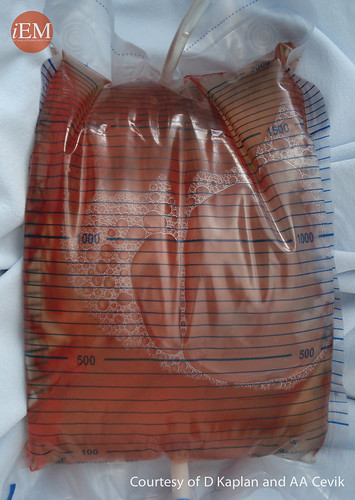
Fluid resuscitation is a dynamic process requiring hourly re-evaluation to ensure adequacy and prevent complications [2,6]. The fluid rate must be carefully titrated based on the patient’s urinary output and physiological response. Hourly urine output, measured using an indwelling bladder catheter, serves as a reliable indicator of resuscitation adequacy in patients with normal renal function.

  • Adults: Maintain urine output at 0.5 mL/kg/hour (approximately 30–50 mL/hour).
  • Young Children (≤30 kg): Target 1 mL/kg/hour.
  • Pediatric Patients (>30 kg, up to age 17): Maintain output at 0.5 mL/kg/hour.
  • Adults with High-Voltage Electrical Injuries and Myoglobinuria: Ensure a urine output of 75–100 mL/hour until urine clears.

This individualized approach to fluid management helps maintain renal perfusion, ensures effective resuscitation, and minimizes the risk of under- or overhydration.

Thermal Burns

Thermal burns occur when excessive heat is applied to the skin, resulting in tissue destruction. Initially, this process may cause inflammation and initiate the healing response. However, if the heat intensity or duration is sufficient, coagulative necrosis ensues, leading to irreversible cell death and localized tissue loss. The severity and type of burn depend on various factors, including the heat source, duration of exposure, and depth of tissue involvement. 

Thermal 2nd degree burn in a child

The treatment of thermal burns varies based on severity [2, 6, 10].

Minor burns are managed by cleaning the area and applying topical aloe and a barrier dressing. Pain is controlled with oral analgesics, such as NSAIDs or acetaminophen/paracetamol. Patients can be discharged with outpatient follow-up for wound monitoring.

Moderate burns require cleaning with water and debridement of large blisters. Wound care involves the application of a topical antibiotic with a dressing or an antibiotic-impregnated bandage. Pain management may include oral or intravenous analgesia, with narcotics as needed. Fluid resuscitation, either oral or intravenous, is determined by the percentage of total body surface area (%TBSA) affected. Tetanus immunization should be updated if the last dose was over 10 years ago. Consultation with a burn specialist is advised, with possible admission or transfer to a burn center.

Severe burns necessitate cleaning with water, pain management with oral or intravenous analgesia, and application of a dressing without antibiotics or ointments if transfer to a burn center is confirmed. Intravenous fluid resuscitation is essential, along with prompt referral and admission to a burn center. Circumferential full-thickness burns may require escharotomy to prevent complications such as compartment syndrome.

Electrical Burns

Electrical burns can present with a wide range of injuries due to the effects of electrical current and the conversion of electrical energy into thermal injury. High-voltage electrical exposure can also result in blunt trauma caused by the patient being propelled away from the electrical source.

Extent of injuries depends on the voltage type:

  • Low voltage: Commonly seen in children who come into contact with electrical cords or outlets.
  • High voltage: Typically occupational injuries from power lines or utility poles, often leading to deep tissue and organ damage.
  • Lightning: Frequently occurs during outdoor recreational or work activities, especially in rainy seasons.

Deep tissue injury assessment:
Patients presenting with full-thickness burns, painful passive range of motion, and elevated creatine kinase (CK) levels should be presumed to have deep tissue injury.

  • These patients require fluid resuscitation and referral to a burn center when possible.
Electrical injury/burn - entry wound
Electrical injury/burn - exit wound
high voltage electrical injury

Muscle damage results in a breakdown known as rhabdomyolysis, which can lead to renal failure and multi-organ failure if not treated promptly.

electrical injury, rhabdomyolysis

Management [2,3,11]

General Principles

  • Cardiac Monitoring: Patients with suspected electrical burns should undergo continuous cardiac monitoring for 12–24 hours to detect dysrhythmias.
  • Compartment Syndrome Monitoring: Close monitoring is essential for signs of compartment syndrome.
  • Stress Ulcer Prophylaxis: Administer proton pump inhibitors (PPIs) or H2 blockers, especially in patients who are NPO, as electrical burns carry a higher risk of ulcer formation compared to other burns.

Analgesia

  • Severe pain from deep tissue injuries often necessitates IV narcotic analgesia.

Fluids

  • Initiate fluid resuscitation with 1L/hr isotonic fluids in adults.
  • Avoid using the Parkland or Modified Brooke formula, as the %TBSA burned does not accurately reflect the extent of deep tissue injury in electrical burns.
  • Titrate fluid administration to maintain urine output:
    • Adults: 100 mL/hr
    • Children: 1.5–2 mL/kg/hr

Referral
Patients with suspected deep tissue injury should be referred to a burn center when available to ensure comprehensive care.

Chemical Burns

Superficial chemical burns may conceal deeper tissue injuries, making them more challenging to assess than thermal burns. Tissue damage is often underestimated, necessitating frequent reassessment of wounds and clinical status.

Chemical burn

Management [2,12]

  • Fully expose the patient as soon as possible to minimize ongoing tissue damage. Providers should wear personal protective equipment (PPE) before starting decontamination.
  • Copious irrigation is critical and should be performed immediately, continuing for at least 30 minutes or until neutral skin or eye pH is achieved (using serial litmus paper).
  • Exceptions to irrigation: Dry lime, elemental metals, and phenol require alternative treatments instead of water irrigation.
  • Patients with chemical burns should be referred to a burn center for specialized care.

Radiation Burns

  • Cutaneous manifestations of radiation exposure have a slower onset compared to thermal burns [2,13]. Symptoms such as erythema, calor (warmth), and pruritus may appear hours to days after exposure.
  • Waxing and waning of symptoms:
    • A latent phase without visible cutaneous symptoms often follows initial erythema, calor, and pruritus (1–2 days post-exposure).
    • A second wave may occur days to a week later, presenting as erythema, calor, pruritus, desquamation, ulceration, or necrosis.
    • Subsequent waves of symptoms are more common with potent radiation forms (e.g., beta- and gamma-waves), occurring months post-exposure.
  • High radiation doses are associated with systemic effects, including hair loss and acute radiation syndrome (ARS):
    • ARS symptoms include loss of appetite, fatigue, headache, nausea, vomiting, and diarrhea.

Management

  • Anti-inflammatory medications should be administered during the latent phase when cutaneous symptoms are absent.
  • As with chemical burns, all patients with significant radiation burns should be referred to a burn center for evaluation and management.

Inhalation Injuries

General Overview

Inhalational injuries are a leading cause of mortality in burn patients. They are commonly associated with thermal injuries, which cause upper airway edema, and chemical injuries, which result in damage to the lower airway and lung parenchyma.

Assessment

Evaluating for inhalational injuries involves identifying key clinical signs, such as soot in the oropharynx, singed facial hair, or other indications of airway compromise. For chemical burns, determining the substances burned or combusted is critical to understanding the nature of the injury. Diagnostic tools include obtaining arterial blood gas (ABG) analysis and chest X-ray when available to assess respiratory function and lung involvement.

Management [2,5]

Maintaining a Patent Airway

Ensuring a clear airway is critical in burn patients. Prompt airway management is crucial in inhalational injuries. A low threshold for endotracheal intubation is necessary in cases of airway compromise, severe burns, or full-thickness/circumferential burns involving the chest or neck. If progressive airway edema is observed, fiberoptic intubation is preferred, provided it is available. Given the rapid progression of airway edema, early intubation is advised to prevent airway obstruction and ensure adequate ventilation.

Thermal burn, Inhalation Injury

Oxygen Therapy
Patients with suspected inhalation injuries should receive humidified 100% oxygen via a non-rebreather mask immediately. This is particularly important in cases of carbon monoxide poisoning, as high-flow oxygen effectively reduces carboxyhemoglobin levels, improving oxygen delivery to tissues.

Fluid Resuscitation
Inhalation injuries increase fluid requirements beyond those predicted by burn size alone. Fluid resuscitation must be carefully balanced to avoid under-resuscitation, which risks hypoperfusion, and over-resuscitation, which can lead to complications such as pulmonary edema or compartment syndrome.

Medications
Several medications may be employed to address specific symptoms:

  • Bronchodilators: Relieve bronchospasm and improve airway patency.
  • Mucolytics: Help thin and loosen mucus, facilitating its clearance from the airways.
  • Nebulized Heparin: Prevents fibrin cast formation in the airways, reducing the risk of airway obstruction.

Ventilatory Support

Mechanical ventilation may be required for patients with severe respiratory compromise. Ventilator settings must be carefully optimized to prevent ventilator-induced lung injury. Techniques such as low tidal volume ventilation and high-frequency percussive ventilation may offer benefits in managing patients with compromised pulmonary function.

This comprehensive approach ensures effective airway management and respiratory support in burn patients with inhalation injuries.

Special Patient Groups

Pediatric Patients

Thermal Burns

  • Fluid Resuscitation:
    • In addition to using the Parkland formula for fluid replacement, pediatric patients require maintenance intravenous fluids (mIVF) to meet baseline hydration needs.
    • Children under 5 years of age should have glucose added to their mIVF to prevent hypoglycemia.

Electrical Burns

  • The majority of management principles are similar to those for adults.
  • Oral Burns:
    • Oral burns, often caused by chewing on electrical cords, require special attention. Burns at the commissure (corner of the lips) have a high risk of bleeding due to erosion of the labial artery.
    • All significant oral burns should be admitted for observation and plastic surgery consultation to prevent and manage complications.

Pregnant Patients

Electrical Burns

  • For pregnant patients with electrical burns, obstetric consultation is essential to assess maternal and fetal health.
  • Continuous monitoring of fetal heart tones is necessary to evaluate the well-being of the fetus following an electrical injury.

When To Admit This Patient

The American Burn Association released updated guidelines in December 2022 for burn patient referral and management.

Guidelines for Burn Patient Referral - Courtesy of American Burn Association - From: https://ameriburn.org/wp-content/uploads/2023/01/one-page-guidelines-for-burn-patient-referral-16.pdf [14]

According to these guidelines:

  • Moderate to Severe Burns: Patients with moderate to severe burns, as defined by burn depth and total body surface area (TBSA), require hospital admission for comprehensive burn staging and treatment.
  • Minor Burns: Patients with minor burns, such as superficial burns or those involving <10% TBSA superficial partial-thickness burns, can be managed in an outpatient setting.

To prevent secondary infection, patients discharged with minor burns must have access to appropriate topical ointments and dressings. Patients with partial-thickness burns should undergo regular wound checks following discharge to monitor healing and prevent complications.

Revisiting Your Patient

The patient’s burns were classified as moderate to severe, and he was intubated due to the presence of singed nasal hairs and significant respiratory distress. Using the Rule of 9s, the total burn area was calculated to be 31.5% TBSA, including the face (4.5%), the front of both arms and hands bilaterally (4.5% each), and the torso (18%).

Given the depth of the burns, lactated Ringer’s IV resuscitation was initiated, with a target of delivering 4725 mL in the first eight hours, as calculated using the Parkland formula. A Foley catheter was placed, and urine output was titrated to 0.5 mL/kg/hr. The patient also received IV analgesia and was subsequently transferred to a burn center for further management.

Authors

Picture of Michaela Banks

Michaela Banks

Michaela Banks is a current resident at Louisiana State University in New Orleans in Emergency Medicine. She graduated with a degree in Psychology and Global Health from Duke University and went on to obtain her MD and MBA from the University of Virginia. During residency, she has become particularly interested in burns and outcomes, and gave an oral presentation on the “Association Between Compliance with an Organized State Burn Triage Center and Burn Outcomes” at ACEP 22. Michaela also serves on the Emergency Medicine Residents’ Association Board of Directors.

Picture of Anthony Dikhtyar

Anthony Dikhtyar

Dr. Dikhtyar is a graduate of St. George’s University School of Medicine and recently matched into Emergency Medicine at TriStar Skyline Medical Center in Nashville, TN. His professional interests include medical education, medical photography, and global health in the former Soviet Union. His most recent publications can be found in the Visual Journal of Emergency Medicine.

Picture of Jacquelyne Anyaso

Jacquelyne Anyaso

Jackie Anyaso, MD, MBA is a second-generation Nigerian immigrant born and raised in Chicago, Illinois. She attended medical school at the University of Illinois at Chicago and will be completing her emergency medicine training at Harvard-Affiliated Emergency Residency Program. Her ultimate goal is to serve vulnerable populations in efforts to reduce healthcare disparities. Her clinical interests include critical care medicine, global health, and the intersection between medicine and business. Outside of medicine, she enjoys community service, traveling, and spending time with family and friends.

Picture of Ashley Pickering

Ashley Pickering

Before medical school I had a diverse career path, which included biomedical engineering, outdoor education, working as an EMT on a Colorado ski patrol, and critical care nursing. I lived out west for 15 years, mainly in CO, and went to medical school at University of Arizona in Tucson before moving to Baltimore for residency at University of Maryland. Currently I am a Global Emergency Medicine Fellow at University of Colorado. Throughout my training I have found ample opportunities to pursue my interest in building emergency care globally. I have researched the barriers to accessing emergency care in rural Uganda, helped to provide emergency care training in Sierra Leone and Liberia and am currently the Executive Director of Global Emergency Care a non-profit training non-physician clinicians in Uganda. My current focus is on quality of emergency care in LMICs. I am working on an WHO Emergency Care Toolkit implementation project which explores the impact of basic emergency care educational and process improvements on clinical indicators of quality, as well as the experiences patients and staff.

Listen to the chapter

References

  1. Jeschke MG, Mlcak RP, Finnerty CC, et al. Burn size determines the inflammatory and hypermetabolic response. Crit Care. 2007;11(4):R90. doi:10.1186/cc6102
  2. American Burn Association. (2018). Advanced Burn Life Support Course Provider Manual 2018 Update. https://ameriburn.org/wp-content/uploads/2019/08/2018-abls-providermanual.pdf
  3. Schaefer TJ, Szymanski KD. Burn Evaluation And Management. [Updated 2022 Aug 23]. In: StatPearls [Internet]. Treasure Island (FL): StatPearls Publishing; 2023 Jan-. Available from: https://www.ncbi.nlm.nih.gov/books/NBK430741/
  4. Jeschke MG, van Baar ME, Choudhry MA, Chung KK, Gibran NS, Logsetty S. Burn injury. Nat Rev Dis Primers. 2020;6(1):11. Published 2020 Feb 13. doi:10.1038/s41572-020-0145-5
  5. Foncerrada G, Culnan DM, Capek KD, et al. Inhalation Injury in the Burned Patient. Ann Plast Surg. 2018;80(3 Suppl 2):S98-S105. doi:10.1097/SAP.0000000000001377
  6. Emergency Care of Moderate and Severe Thermal Burns in Adults. UpToDate. Feb. 2023. https://www.uptodate.com/contents/emergency-care-of-moderate-and-severe-thermal-burns-in-adults?topicRef=349&source=see_link#H4430737.
  7. Department of Health. Determining Total Body Surface Area. From: https://www.health.state.mn.us/communities/ep/surge/burn/tbsa.pdf Accessed December 1, 2024.
  8. Guidelines for Burn Patient Referral. From: https://ameriburn.org/resources/burnreferral/ Accessed: December 1, 2024.
  9. Burns. WikiEM. 21 Nov. 2021; 4:1-2. https://wikem.org/wiki/Burns#Evaluation.
  10. Treatment of Minor Thermal Burns. UpToDate. Feb. 2023. https://www.uptodate.com/contents/treatment-of-minor-thermal-burns#H20.
  11. Electrical injuries and lightening strikes: Evaluation and management. UpToDate. Mar 2023. https://www.uptodate.com/contents/electrical-injuries-and-lightning-strikes-evaluation-and-management#H3065280448
  12. Topical chemical burns: Initial assessment and management. UpToDate. Mar 2023. https://www.uptodate.com/contents/topical-chemical-burns-initial-assessment-and-management
  13. Cutaneous Radiation Injury (CRI): A Fact Sheet for Clinicians. 4 Apr. 2018. https://www.cdc.gov/nceh/radiation/emergencies/criphysicianfactsheet.htm
  14. Guidelines for Burn Patient Referral. From: https://ameriburn.org/wp-content/uploads/2023/01/one-page-guidelines-for-burn-patient-referral-16.pdf

FOAm and Further Reading

Reviewed and Edited By

Picture of Erin Simon, DO

Erin Simon, DO

Dr. Erin L. Simon is a Professor of Emergency Medicine at Northeast Ohio Medical University. She is Vice Chair of Research for Cleveland Clinic Emergency Services and Medical Director for the Cleveland Clinic Bath emergency department. Dr. Simon serves as a reviewer for multiple academic emergency medicine journals.

Picture of Arif Alper Cevik, MD, FEMAT, FIFEM

Arif Alper Cevik, MD, FEMAT, FIFEM

Prof Cevik is an Emergency Medicine academician at United Arab Emirates University, interested in international emergency medicine, emergency medicine education, medical education, point of care ultrasound and trauma. He is the founder and director of the International Emergency Medicine Education Project – iem-student.org, chair of the International Federation for Emergency Medicine (IFEM) core curriculum and education committee and board member of the Asian Society for Emergency Medicine and Emirati Board of Emergency Medicine.

How to Interpret C-Spine X-ray (2024)

by Maitha Mohammed Alneyadi & Mansoor Masarrat Husain

Introduction

Cervical spine x-ray interpretation is a vital skill in emergency medicine. This is particularly important as cervical spine injuries can leave patients with permanent neurological damage or death. While CT scans have overtaken X-rays as the primary form of cervical spine imaging, X-rays can be handy in rural areas or areas with limited resources. If in doubt, always ask for an expert opinion.

Cervical spine injuries commonly arise from motor vehicle accidents or falls from heights. They more commonly occur in men, and worse outcomes often happen to patients with underlying degenerative changes. Mechanisms of injuries causing fractures include flexion, extension, rotational, or vertical compression—these will be elaborated on further in this chapter. Cervical spine x-rays are somewhat useful if the patient is awake, stable, and has isolated injuries. In addition, they can be ordered in patients with upper airway obstruction symptoms, to look for soft tissue infections, foreign body demonstration, or if there is neck pain with no significant trauma.

Remember, cervical spine x-rays require manipulation of the neck to get clear views. Consider an alternative diagnostic choice like CT (Computed Tomography) or MRI (Magnetic Resonance Imaging) if cervical spine movement is restricted by a cervical collar. X-rays are also not advisable when neurological symptoms are present following trauma, in an uncooperative patient, or when a more accurate radiological modality is easily available.

Plain radiographs that display the lateral projection of the cervical spine, along with an open mouth view, are quite effective at identifying cervical spine fractures. Statistics indicate that the risk of overlooking a significant fracture is less than 1%. Including the anteroposterior (AP) projection raises the sensitivity to almost 100%. All three essential projections mentioned above can be seen in the figure below.

C-spine x-ray - 3 views - Lateral view with normal slight lordosis (A), Odontoid or open mouth view of the atlas and axis (B), Standard anteroposterior or AP view with open mouth, it can also be taken with closed mouth (C).

Before analyzing cervical radiographs, some additional facts need to be presented. Most spinal injuries occur at the junctions of the spine: craniocervical, cervicothoracic, thoracolumbar, and lumbosacral.

The only c-spine radiograph one should be satisfied with is the one showing all seven cervical vertebrae (C1–Th1). The C7–Th1 vertebrae may be obscured in muscular or obese patients, or in patients with spinal cord lesions that affect the muscles that normally depress the shoulders. Such lesions, which leave the trapezius muscle unopposed, occur in the lower cervical region. Shoulders can be depressed by pulling the arms down slowly and steadily or, if the patient is capable, by asking them to depress one shoulder and lift the other hand above their head to achieve the swimmer’s position, which better visualizes the lower vertebrae.

Two examples of a cervical x-ray that is not good enough for the evaluation of the possible injury of the neck.

We will now present a systematic method for interpreting cervical spine x-rays. First, identification—make sure details are correctly matched to the patient by name, date of birth, record number, and the time the scan was done. Use an old x-ray of the patient as a comparison if the study has been done previously.

Interpretation

We utilize the ABCD system to comprehensively interpret cervical spine X-rays.

A: Alignment and adequacy
B: Bones
C: Cartilages
D: Dense soft tissue

Cervical spine X-rays typically include three views: the lateral view (or cross-table view), the odontoid view (or open mouth view), and the anterolateral view. If the lateral view is inadequate, an additional view called the “Swimmer’s view” may be requested to visualize the C7 and T1 vertebrae.

Lateral View

Example of a slightly rotated not ideal lateral projection of the cervical spine in (A) and an x-ray of an ideal lateral projection in (B).

A: Adequacy and Alignment

Lateral view - Adequacy and Alignment
Always assess (AV) anterior vertebral, (PV) posterior vertebral and (SL) spinolaminar lines, they should run smooth, without any disruptions, and should form a slight lordotic shape. All three lines should form a smooth and lordotic curve of the cervical spine. Any disruption in the flow of these lines suggests either a bony or a ligamentous injury.

An adequate image includes the base of the skull to the upper border of T1.

There are four parallel lines to note, from front to back (See image on the left, Courtesy of Dr Hussain Aby Ali). The front line (in purple), referred to as the anterior longitudinal line, runs along the anterior border of the vertebrae.

The second line, or the middle line, referred to as the posterior longitudinal line (in yellow), runs along the posterior border of the vertebrae.

Next, the spinolaminar line (in green) runs between the spinous process and lamina, along the anterior edge of the spinous process.

Lastly, the posterior spinous line (in blue) runs smoothly along the tips of the spinous processes.

The spinal cord lies between the posterior spinous and spinolaminar lines. Disruption of any of these lines indicates a fracture [1].

The image reveals disruption of the normal alignments as indicated with a step-off in C2. This has shifted all the lines forward as seen in a hangman’s fracture. Hurley CM, Baig MN, Callaghan S, Byrne F. Cervical spine hangman fracture secondary to a gelastic seizure. BMJ Case Reports. 2019;12(8):e230733. doi: https://doi.org/10.1136/bcr-2019-230733
Disruption in the shape of the AV line, that indicates injury, and in this case a fracture of the body of C7.

An important exception to the usual guidelines involves pseudo-subluxation of C2 and C3 in the pediatric population, which can lead to confusion. In these cases, it is essential to examine the spino-laminar line from C1 to C3. Be cautious of injury if the base of the C2 spinous process is more than 2 mm away from this line. Additionally, correlate your findings with any relevant soft tissue observations (see below under “D”).

On the lateral view, also assess the predental space, which is the distance between the anterior surface of the odontoid process and the posterior aspect of the anterior ring of C1. This distance should not exceed 3 mm in adults or 5 mm in children (see image below).

B: Bones

Examine the vertebrae for a normal bony outline and bone density. It is important to note any subtle changes in bone density, as these may indicate a compression fracture. Areas with decreased bone density are more vulnerable to fractures and are often seen in patients with conditions such as rheumatoid arthritis, osteoporosis, or metastatic osteolytic lesions. Acute compression fractures, in contrast, typically present as areas of increased bone density.

Integrity of the vertebrae - Image on the left (Courtesy of Hussain Aby Ali), Image on the right (Courtesy of Yvette Mellam, [3] - Gaillard F. Cervical spine fractures. Radiology Reference Article. Radiopaedia.org. Radiopaedia. https://radiopaedia.org/articles/cervical-spine-fractures)

To check the integrity of the vertebrae, we must trace each vertebra individually. If there are any irregularities in the cortex of the bone, there may be a fracture.

As you trace the vertebrae on the right side (the image above), you may note that the sixth vertebra has slipped forward and is not continuous, which is an example of a vertebral fracture.

This is followed by scanning vertebrae C3–C7 in the usual manner, with no specific shadows or rings. The rest of the vertebral spaces must be equal, with a rectangular shape. Follow the spinous processes to look for any fractures [1].

Other examples are given below. See the fracture on 7th vertebral body (image A below), and fracture on spinous process of the 7th vertebrae (image B below).

Watch for a non-disrupted bony outline. Disruption, as in the above examples means fracture of the bone structure. Also search for any hypo- or hyper-dense areas in the bone, as it may be the only indication of the compression fracture. In (A) slight widening of the soft tissue is visible just in front of the fracture, under the white arrow, which may indicate that this is an acute injury.

Let us zoom in into the same image and focus on C1 and C2.

Coffee bean and C1 and C2

Start your day with a coffee—or rather, a coffee bean shadow—when interpreting c-spines. This shadow corresponds to the anterior arch of the atlas found in C1. Bear in mind that the peg might get in your way. With that, make sure the coffee bean shadow is adjacent to the odontoid peg. If not, think of a fracture!

When looking at C2, trace the ring, referred to as Harris’ ring (black color in the image above), which is the lateral mass of the vertebra. Discontinuity of the ring demonstrates a fracture.

C: Cartilage space assessment

n the assessment, examine the disc spaces, facet joint spaces, and interspinous spaces for any misalignments or increased space. Subluxations or facet dislocations can be identified by disruptions in the demarcated boxes, while any interspinous height exceeding 50% of the vertebral body indicates ligament disruption. On a good-quality lateral view x-ray of a healthy person, uniform intervertebral spaces should be evident.

An emergency physician may diagnose subluxations and dislocations of the facet joints by assessing the cartilage space between the vertebral corpora, facet joints, and spinous processes. However, increased interspinous distance by more than 50% suggests a ligamentous injury, and protective muscle spasms may complicate interpretation.

Uniform intervertebral cartilage spaces, also facet joints must be inspected, for any unusual alignment or increased space.

D: Dense soft tissue

Subsequently, we check the prevertebral space (in yellow), with the trachea sitting right in front of it (in red) (see the image below, courtesy of Hussain Aby Ali). Take C4 as your reference point (in purple). As a rule of thumb, the prevertebral space at or above C4 should be less than one-third the width of the vertebral body, while below C4 it should measure less than the width of the adjacent vertebra. In pediatrics, the prevertebral space at C4 is 7 mm, and at C6 it measures 14 mm or less, depending on age. In adults, the prevertebral space at C6 measures 22 mm. Enlarged measurements may indicate a hematoma related to a fracture, although normal measurements do not rule out a fracture [1].

The prevertebral soft tissues can serve as an indicator of acute swelling or hemorrhage resulting from an injury, and in some cases, may be the only indicator of an acute injury visible on an x-ray. The normal width of the prevertebral tissue decreases from C1 to C4 and increases from C4 downward. Normal measurements are less than 7 mm from C1 to C4 (less than half the vertebral body width at this level) and less than 22 mm below C5 (less than the vertebral body width at this level, as shown in Figure 9). The presence of air within the soft tissue could suggest a rupture of the esophagus or trachea.

Retro-pharyngeal soft tissue, narrows down from C1 to C4, and should not exceed more than 7mm (less than third of the vertebral body). Bellow the C4 soft tissue starts widening, but should not exceed 22mm (for easier thinking, should not exceed the width of the body of the vertebrae.

Odontoid – Open Mouth View

A: Adequacy and Alignment

The odontoid x-ray is typically the second standard view obtained in the emergency department. Its primary goal is to visualize the odontoid process of the C2 vertebra and the C1 vertebra. This view can be taken with the patient’s mouth either open or closed.

When examining the odontoid x-ray, two key aspects are assessed: first, the distance between the odontoid process and the lateral masses of the C1 vertebra should be equal. If there is an inequality, it may indicate a slight rotation of the head. Second, considering the previous point, the margins of the C1 and C2 vertebrae should remain aligned.

The distance between the odontoid process and the lateral masses of the C1 should be equal, if not inequality may be due to the slight rotation of the head. (If the patient has the upper central incisor teeth, we can check if the space between those two teeth aligns with the middle of the odontoid process, this might give the slight idea about rotation in case process itself is not broken and misaligned). Even with the slight rotation of the head we can still check alignment by looking at the lateral margins of the C1 and C2, which should remain aligned.

B: Bones

The odontoid view is most helpful for assessing peg fractures and examining the lateral masses and spaces at C1 and C2. Start by drawing a line from the end of the lateral mass (in purple), along the shaft, up around the odontoid peg, and down to the other lateral end (in green), which marks C2. Next, demarcate C1’s lateral masses on each side and look for any irregularities or fractures.

C: Cartilage space assessment

The space between the peg and C1’s lateral masses must be equal (green asterisks), as should the spaces between C1 and C2 lateral masses (blue asterisks). Unequal lateral mass spaces could raise suspicion of subluxation, which may indicate that the transverse ligament holding the peg in place is torn. Alternatively, consider a Jefferson fracture, which will be discussed later in this chapter.

Draw an imaginary line along the lateral edges of C1 and C2, and check for any misalignment or displacement (red circles). It is important to note that when a patient’s cervical spine is rotated, the images may be inaccurate due to artifacts, which could be misconstrued as fractures, as shown in the image below [1].

An inappropriate imaging angle can result in an inconclusive image. In such cases, you may notice unequal spaces between the odontoid and C1 lateral masses, even when no underlying fractures are present. This situation should prompt a discussion with the radiologist or the consideration of further imaging, such as a CT scan or MRI.

Beware of the Mach effect!
The Mach effect is an optical illusion that can occur during imaging interpretation. It creates the appearance of a lower density at specific levels of the odontoid peg, which may falsely mimic an odontoid fracture. This illusion arises from the way edges and contrasts in the image are perceived by the human eye, often giving the impression of a discontinuity or fracture when none is present. It is crucial to recognize this phenomenon to avoid misdiagnosis, especially when interpreting odontoid fractures on radiographs. Careful examination and, if needed, correlation with additional imaging modalities such as CT or MRI can help confirm the true nature of the findings.

[4] - Czarniecki M, Niknejad M. Mach effect - mimicking odontoid fracture. Radiopaediaorg. Published online November 24, 2012. doi: https://doi.org/10.53347/rid-20528

Anteroposterior View

A: Adequacy and Alignment

Images taken in this projection are usually less clear than the two mentioned above. The tips of the spinous processes should lie in a straight line along the midline, and the distances between the spinous processes should also be checked. Anomalies, such as bifid spinous processes, can complicate interpretation. The laryngeal and tracheal shadows should align down the middle, and the alignment of the lateral masses of the vertebrae should also be assessed.

Blue line connects the spinous processes, they should lie mid-line and have an equal amount of space between. Red-line should smoothly connect the lateral masses of the vertebrae. Always check the edges of the picture, in most cases, apexes of the lungs are visible, check for pneumothorax.

An adequate image includes the vertebral bodies of the cervical vertebrae along with the superior border of the thoracic vertebrae. Vertical lines running across and along the spinous processes and vertebral bodies help assess alignment. Three lines are particularly important: the spinous process line (in blue), which runs through the spinous processes of C1 to C7, ensuring vertical alignment, and two lateral lines (in green), which run smoothly along the transverse processes, confirming their normal alignment.

B: Bones

The anteroposterior (AP) view of the cervical spine is one of the standard projections used during imaging. It is taken with the x-ray beam directed from the front (anterior) to the back (posterior) of the neck. While it provides a general overview of the alignment of the vertebrae and highlights features such as the spinous processes and transverse processes, this view may not always clearly demonstrate fractures.

Fractures, especially those involving the odontoid peg, vertebral bodies, or certain types of subtle cortical disruptions, can be challenging to detect due to the overlapping structures in this projection. Additionally, anomalies such as misalignment or crowding of the spinous processes might not be easily discernible. As a result, this view is often supplemented with lateral or oblique views and, in cases of doubt, with advanced imaging techniques like CT or MRI for a more definitive diagnosis.

The AP view remains an important tool for assessing gross abnormalities, vertebral alignment, and pathological conditions, such as tumors or significant bone density changes. However, its limitations in detecting subtle fractures underscore the need for careful correlation with clinical findings and additional imaging.

C: Cartilage space assessment

In an AP cervical spine x-ray, the assessment of cartilage spaces is crucial for evaluating alignment and potential injuries. A key rule to follow is the 50% rule: any increase in the cartilage space by more than 50% compared to adjacent spaces suggests anterior cervical dislocation. This finding is often associated with trauma, such as ligamentous injury or vertebral subluxation, but it is important to note that the 50% rule does not apply in cases of muscle spasm, particularly when the neck is in a flexed position.

To confirm the diagnosis and exclude vertebral slippage, it is essential to examine the lateral view. The lateral view provides additional details regarding the vertebral alignment, anterior displacement, and associated injuries that may not be visible on the AP view. Ensuring that the vertebrae are properly aligned without slippage is vital for accurate assessment and diagnosis.

By correlating findings from both the AP and lateral views, a clearer picture of cervical spine integrity can be obtained, helping to differentiate between conditions caused by trauma and those related to positional factors or muscle spasms.

D: Dense soft tissue

In the AP cervical spine view, it is important to assess for the presence of surgical emphysema or pneumothorax, as these findings can indicate significant underlying trauma.

Surgical Emphysema: Look for evidence of air trapped in the soft tissues of the neck. This appears as dark, radiolucent (black) streaks in areas where soft tissues should normally appear opaque. Surgical emphysema in the cervical region can result from tracheal or esophageal injury, penetrating trauma, or fractures that disrupt the airways. Its presence warrants immediate attention and further investigation to locate the source of the air leakage.

Pneumothorax: Although primarily evaluated using a chest x-ray, a pneumothorax might be visible on an AP c-spine x-ray, especially if significant. This is seen as an absence of lung markings on the affected side, with a radiolucent (black) space outlining the lung. Pneumothorax may occur in association with rib fractures or blunt trauma extending to the thoracic region and can contribute to respiratory distress.

Other Views

Swimmer’s view

When C7 or T1 is not clearly visible on the lateral view due to dense body musculature, obtaining a “Swimmer’s view” can be helpful. This imaging technique specifically focuses on the alignment of C7 and T1 at the cervico-thoracic junction. To achieve this view, patients are instructed to lower the shoulder on the same side as the area being examined [5].

Murphy A, Normal cervical spine radiographs with swimmer's view. Case study, Radiopaedia.org (Accessed on 07 Dec 2024) https://doi.org/10.53347/rID-48418 - https://radiopaedia.org/cases/48418

Flexion and Extension Views

Oblique and flexion/extension views are not recommended in the emergency department setting as they can lead to further neurological injuries caused by manipulation. These views are only useful when interpreted by an experienced physician. Flexion and extension views are often contraindicated due to suspected unstable trauma or are impossible to perform because of spastic musculature following the injury (see Figure below). Additionally, unsupervised or forced flexion or extension in a patient with ligamentous injury can result in significant neurological damage. Therefore, other imaging modalities are necessary when a suspected injury is present.

Straightened normal lordotic curvature of the c-spine, may be due to the muscle spasm as a protective mechanism, what also makes flexion and extension views hard to capture.

Abnormal findings on cervical spine x-rays

C1 (Jefferson) fracture

A C1 fracture, also known as a Jefferson fracture, is best visualized on the odontoid view. This type of fracture typically results from axial loading, such as a heavy blow to the top of the head. The force compresses the cervical spine, leading to fractures in both the anterior and posterior arches of C1. These fractures are considered unstable because the transverse ligament, which stabilizes the relationship between the odontoid peg (dens) and the lateral masses of C1, is often disrupted.

Key imaging findings include widened spaces between the odontoid peg and the lateral masses of C1 (marked by orange asterisks). Additionally, the lateral masses of C1 may appear misaligned with those of C2 (marked by green circles), indicating instability [6]. The widening of these spaces and misalignment reflects the ligamentous injury and mechanical instability associated with this fracture.

Due to its unstable nature, a Jefferson fracture requires prompt recognition and further imaging, such as CT scans, to confirm the diagnosis and assess the extent of injury. Management often involves immobilization or surgical intervention, depending on the severity of the ligament disruption and alignment abnormalities.

C2 fractures

Odontoid peg fracture

To identify a C2 fracture, it is essential to evaluate both the open mouth (odontoid) view and the lateral view, as these complementary perspectives provide critical information about the integrity of the C2 vertebra.

  1. Open Mouth (Odontoid) View:
    This view is particularly useful for assessing the odontoid peg, also known as the dens. A discontinuity of the peg process, as shown in the image above, is a hallmark feature of a C2 fracture. This disruption indicates a break in the odontoid peg, which is often caused by significant trauma. The open mouth view allows for a clear examination of the alignment and spacing between the odontoid peg and the lateral masses of C1, helping to confirm the fracture.

  2. Lateral View:
    The lateral view provides additional details about the alignment and integrity of the C2 vertebra. In cases of a C2 fracture:

    • Alignment Disruption: The normal alignment of the vertebral bodies is disturbed, indicating instability.
    • Harris Ring Discontinuity: The Harris ring, a radiographic marker of the lateral mass of C2, appears interrupted, further confirming the presence of a fracture.
    • Posterior Displacement of the Odontoid Peg: The odontoid peg may be displaced posteriorly, which can compromise the spinal canal and potentially compress the spinal cord.

Types of Odontoid Fractures

The graphical presentation above illustrates the three types of odontoid fractures, as labeled below:

Type I:

  • Location: Fracture at the tip of the dens.
  • Associated Injury: Alar ligament avulsion.
  • Stability: This is considered a stable fracture.

Type II:

  • Location: Fracture at the base of the odontoid process.
  • Stability: This is an unstable fracture. It is the most common type of odontoid fracture and is associated with a high risk of nonunion due to poor blood supply at the fracture site.

Type III:

  • Location: A fracture extending through the body of the axis (C2), curving laterally from one end to the other.
  • Stability: This is also considered an unstable fracture. These fractures may disrupt the lateral masses of C2, further compromising spinal stability.

Recommended Management

  • CT Scan: If any of these fractures are suspected or identified on plain x-rays, a CT scan is recommended for further evaluation to define the fracture line and assess the extent of bony disruption.
  • Immobilization: The cervical spine should be immobilized using a cervical collar (c-collar) to prevent further injury.
  • Consultation: Immediate consultation with neurosurgery is advised, as surgical intervention may be required, especially for unstable fractures (Type II and III).

These fractures, particularly Type II and III, have significant clinical implications due to their instability and proximity to critical neural structures, necessitating prompt diagnosis and intervention.

Odontoid fracture - type 2 (Courtesy of Dejvid Ahmetovic)
Suspected fracture of the odontoid process, but with closed mouth teeth might affect the view.
Same patient, but with open mouth view, and the fracture through the body of C2 is visible, also note misalignment of lateral borders of C1 and C2 and difference in space between odontoid process and lateral masses of C2 on both sides.
Hangman's fracture

A Hangman’s fracture is a bilateral fracture of the pars interarticularis of the C2 vertebra, often resulting in cervical spine instability. This type of fracture is best visualized on a lateral view, which reveals key findings:

Loss of Smooth Anterior Alignment

  • The normal, smooth anterior alignment of the cervical spine is disrupted and replaced by a visible step, indicating displacement.

Cortical Discontinuity

  • The fracture causes a break in the cortical bone, further demonstrating structural instability of the vertebra.
Hangman's fracture
Hangman's fracture

Mechanism of Injury

  • Hyperextension Trauma
    • This fracture is commonly caused by hyperextension injuries, such as those sustained in motor vehicle accidents.
    • It is also seen in diving accidents, where a diver’s head strikes the pool floor upon impact.

Clinical Significance

  • Hangman’s fracture is classified as unstable, as it compromises the integrity of the C2 vertebra and its supporting structures, potentially endangering the spinal cord.

Management

  • Immediate immobilization of the cervical spine with a cervical collar is essential. Advanced imaging (CT or MRI) is recommended to further evaluate the extent of the injury and rule out associated soft tissue or ligamentous damage.
  • Consultation with a neurosurgeon is critical for determining the need for surgical stabilization.

Importance of Recognizing C2 Fractures

C2 fractures, such as odontoid fractures or hangman’s fractures, are critical injuries due to their proximity to the spinal cord and brainstem. Prompt recognition using the open mouth and lateral views is vital to avoid neurological complications. Advanced imaging techniques, such as CT or MRI, are often required for further evaluation and to guide management strategies, which may include immobilization or surgical intervention.

Extension Teardrop Fracture

An extension teardrop fracture is a specific type of cervical spine injury in which a portion of the antero-inferior corner of the vertebra is fractured, resembling a teardrop shape. This injury is most commonly observed at C3 and is highly significant due to its association with instability and potential neurological compromise.

Fracture Appearance

  • The fracture is located at the antero-inferior corner of the vertebral body, creating a teardrop-shaped fragment.
Extension Teardrop Fracture - AlJahdali S, Extension teardrop fracture. Case study, Radiopaedia.org (Accessed on 07 Dec 2024) https://doi.org/10.53347/rID-76901 - https://radiopaedia.org/cases/76901

Mechanism of Injury

  • Caused by sudden hyperextension of the neck, which disrupts the anterior longitudinal ligament.
  • Often occurs in activities like diving, particularly when the diver strikes their head against a hard surface such as the pool floor.

Associated Injuries

  • This type of fracture is frequently associated with central cord syndrome, a neurological injury caused by compression of the spinal cord, leading to weakness more pronounced in the upper limbs than the lower limbs.

Management

  • Immediate Stabilization
    • Apply a cervical collar (C-collar) to immobilize the spine and prevent further injury.
  • Imaging
    • A CT scan is the imaging modality of choice to confirm the diagnosis, evaluate the extent of the fracture, and assess for additional injuries or spinal canal compromise.
    • Consultation
      • Immediate consultation with a neurosurgeon is essential for determining the best treatment approach. Depending on the severity, surgical intervention may be necessary.

Flexion Teardrop Fracture

A flexion teardrop fracture is a severe and unstable cervical spine injury resulting from high-energy flexion trauma, frequently occurring at the C5/C6 level. This type of fracture is significant due to its association with spinal instability and neurological damage.

Radiographic Findings (Lateral View):

  • The three longitudinal lines (anterior, posterior, and spinolaminar lines) are disrupted, indicating misalignment and instability.
  • A teardrop-shaped fragment is seen at the antero-inferior corner of the vertebral body, representing the avulsed piece of bone.
[7] Flexion Teardrop Fracture - El-Feky, Mostafa & Munir, Muhammad. (2020). Flexion teardrop fracture. 10.53347/rID-78890.

Mechanism of Injury

  • Caused by hyperflexion of the neck, which exerts excessive force on the cervical spine.
  • This leads to a disruption of the posterior longitudinal ligament, further contributing to instability.

Neurological Association

  • The injury often results in anterior cervical cord syndrome, characterized by loss of motor function and pain/temperature sensation below the level of injury, with preserved proprioception and vibration senses.

Management

  • Immediate Stabilization
    • Apply a cervical collar (C-collar) to immobilize the cervical spine and prevent further injury.
  • Advanced Imaging
    • A CT scan is the preferred imaging modality to confirm the diagnosis, evaluate the extent of the fracture, and identify associated injuries such as spinal canal compromise or ligamentous disruption.
    • MRI may be indicated to assess soft tissue and spinal cord involvement.
  • Consultation
    • Urgent consultation with a neurosurgeon is essential due to the unstable nature of this fracture. Surgical stabilization is often required to restore spinal alignment and prevent further neurological deterioration.

Clinical Importance

The flexion teardrop fracture is considered one of the most unstable cervical spine injuries. Prompt recognition, immobilization, and appropriate surgical management are critical to improving patient outcomes and minimizing long-term neurological deficits.

Clay Shoveler's Fracture

A Clay Shoveler’s fracture is a stable fracture that involves an avulsion of the spinous process, typically occurring in the lower cervical or upper thoracic spine (most commonly at C6, C7, or T1).

Clinical Presentation

  • Patients present with localized pain and tenderness over the affected area.
  • The pain is often exacerbated by movement or palpation of the spine.

Stability

  • This is considered a stable fracture as it does not involve the vertebral body, spinal canal, or neurological structures. However, the injury can still cause significant discomfort and impair mobility.
Clay Shoveler's Fracture The spinous process of C6 is displaced from the vertebra.- Radswiki T, Botz B, Baba Y, et al. Clay-shoveler fracture. Reference article, Radiopaedia.org (Accessed on 07 Dec 2024) https://doi.org/10.53347/rID-13207 - https://radiopaedia.org/articles/13207
Clay Shoveler's Fracture (Courtesy of Dejvid Ahmetovic)

Examination and Management

  • Neurological Assessment
    • A neurological examination should always be performed to rule out any associated injuries or deficits, even though this fracture typically does not affect the spinal cord or nerves.
  • Immobilization
    • The patient should be placed in a cervical collar (c-collar) to immobilize the spine and alleviate pain during the acute phase of the injury.
  • Imaging
    • A lateral cervical x-ray is often sufficient to diagnose the fracture, but a CT scan can provide additional details if needed.
  • Treatment
    • Since this is a stable fracture, management is typically conservative, including pain control, immobilization, and physical therapy as needed.

Clay Shoveler’s fractures are generally associated with good outcomes, and patients can recover fully with appropriate care and immobilization.

Retropharyngeal abscess

Patients with a retropharyngeal abscess often present with:

  • Sore throat and fever.
  • Torticollis: The head is tilted to one side due to neck stiffness and discomfort.
  • Dysphagia: Difficulty swallowing.
  • Respiratory Distress: Severe cases may manifest with stridor, drooling, or increased breathing effort with retractions, indicating a compromised airway.

Management

  • Immediate Interventions
    • Patients in respiratory distress should be closely monitored as the airway may become obstructed, necessitating emergency airway management, including the potential need for a surgical airway (e.g., tracheostomy).
  • Specialist Consultation
    • A prompt otolaryngology consult is warranted for evaluation, incision and drainage (I&D) of the abscess, and initiation of intravenous antibiotics.
  1.  

Radiographic Assessment

  • Measuring the Retropharyngeal Space
    • The retropharyngeal space is evaluated using lateral cervical spine x-rays.
    • Between C2 and C4, the vertebral bodies can be divided into thirds. The retropharyngeal space should not exceed one-third the width of the corresponding vertebral body.
    • At C4 and below, the vertebral bodies should be divided in half, with the prevertebral space width being approximately equal to the anterior half of the vertebral body [8].
  • Signs of Retropharyngeal Abscess
    • Widening of the retropharyngeal space beyond normal parameters is highly suggestive of an abscess.
    • Additional findings may include air-fluid levels, soft tissue swelling, or displacement of adjacent structures.

Epiglottitis

Epiglottitis is a rapidly progressive and potentially life-threatening disease that primarily affects the upper airway. Patients often present with:

  • Fever and sore throat as initial symptoms.
  • Drooling and difficulty swallowing (dysphagia).
  • Inspiratory stridor, indicating partial airway obstruction.

These symptoms suggest an urgent need for airway evaluation and management.

  1.  

Lateral Neck X-ray

  • The hallmark finding is the “thumb sign”, which represents the swollen epiglottis.
  • Swelling of the epiglottis and aryepiglottic folds is characteristic of this condition.
  • The epiglottis appears enlarged and rounded, resembling the shape of a thumb.

Importance of Early Recognition

  • Epiglottitis can rapidly progress to complete airway obstruction, particularly in children.
  • It is critical to recognize these findings on a lateral neck x-ray and act promptly to secure the airway.

Management

Patients showing signs of airway obstruction require immediate attention, with priority given to securing the airway. In severe cases, this may involve intubation, preferably using fiberoptic intubation in a sitting position, or tracheostomy if necessary. This procedure should be performed collaboratively with ENT surgeons and anesthesia professionals in a controlled environment.

As a temporary measure, nebulized racemic epinephrine can be administered to reduce airway swelling, and broad-spectrum antibiotics should be started promptly to treat the underlying infection. Supportive care, such as humidified oxygen, may also be beneficial. Additionally, a nasopharyngoscopy should be performed to directly visualize the epiglottis and assess the extent of swelling.

Laryngotracheobronchitis (Croup)

Laryngotracheobronchitis, commonly referred to as croup, presents with characteristic symptoms including:

  • Barking cough, often likened to a seal’s bark.
  • Inspiratory stridor, indicating upper airway obstruction.
  • Drooling or dysphagia, in some cases.
  • Signs of increased work of breathing, such as retractions and nasal flaring.

These symptoms are typically caused by inflammation and narrowing of the subglottic airway, often following a viral infection.

Radiographic Findings

  • An anteroposterior (AP) neck x-ray may reveal the steeple sign, which represents narrowing of the subglottic trachea [10].
  • The steeple sign is considered pathognomonic for croup, though it is also occasionally observed in bacterial tracheitis.
  • A neck x-ray is not required for diagnosing croup but may be helpful to confirm the diagnosis when the patient is stable and cooperative [11].
[10] - Gaillard F, Kearns C, Murphy A, et al. Croup. Reference article, Radiopaedia.org (Accessed on 07 Dec 2024) https://doi.org/10.53347/rID-1185 - https://radiopaedia.org/articles/1185

While croup is usually a clinical diagnosis, imaging may be considered in atypical presentations or to rule out other conditions like epiglottitis or retropharyngeal abscess. Prompt recognition of croup and appropriate management can prevent complications associated with airway obstruction.

Clinical Decision Rule

There are two widely used scoring systems for neck injuries, primarily for diagnostic purposes: the National Emergency X-Radiography Utilization Study (NEXUS) criteria and the Canadian C-spine rules (CCR). Both have high sensitivity (89% and 98%, respectively) but low specificity (39% and 16%, respectively) [12]. Neither tool is used for patients over 65 years of age.

The NEXUS criteria can be easily remembered using the mnemonic NSAID:

  • N: Neurological deficit
  • S: Spine tenderness, midline
  • A: Altered mental state
  • I: Intoxicated
  • D: Distracting injury

A positive finding in any of these categories requires imaging.

The Canadian C-spine rule, on the other hand, categorizes patients into two groups based on severity: high risk and low risk. It uses a stepwise, question-based approach. Patients who are 65 years or older, those with a high-risk mechanism of injury, or those presenting with neurological symptoms always require imaging.

Refer to the diagram for a simplified explanation.

Specific Patient Groups

Pediatrics

Younger patients have anatomical differences compared to adults, including a larger head, incomplete ossification of the vertebrae, and firm attachment of the ligaments to the spine, which predispose them to injuries. Poor balance and a flexible spine further increase the risk of injury. As children reach the age of 8, their balance improves, and the injury rates decrease.

Nevertheless, pediatric patients can sustain spinal cord syndromes similar to those in adults, which may cause lifelong disabilities. Examples include central cord syndrome, anterior cord syndrome, posterior cord syndrome, Brown-Séquard syndrome, and spinal shock. The decision to perform imaging and the modality chosen are based on criteria similar to those used for adults.

In pediatric trauma patients, the ABCDE trauma evaluation must be followed, as with adults. An important entity to consider is SCIWoRA (Spinal Cord Injury Without Radiographic Abnormality), which is defined specifically for children under 8 years of age. This condition occurs when hyperextension forces injure the neck, leading to neurological deficits without abnormalities detected on x-rays or CT scans. MRI is required to assess the severity and prognosis. Favorable MRI findings include small hematomas and edema, whereas large hematomas or spinal cord transections are considered unfavorable [13].

Geriatrics

Motor vehicle accidents and falls from standing or sitting positions remain the two most common causes of cervical spine injuries in geriatric patients [14]. Due to anatomical degenerative changes and low bone density, even low-energy mechanisms can result in high-impact injuries. CT scanning is recommended for evaluating suspected cervical spine injuries in geriatric patients, who should always be considered trauma patients.

Pregnant Patients

Pregnant individuals involved in trauma require standard trauma protocols for evaluation and treatment, including CT imaging. Although CT imaging exposes both the mother and fetus to radiation, this exposure is not associated with an increased risk of fetal anomalies. However, the use of CT imaging should be carefully considered, with discussions involving the patient or their family, the radiologist, and a senior physician [15].

Authors

Picture of Maitha Mohammed Alneyadi

Maitha Mohammed Alneyadi

Emergency Medicine Department, Tawam Hospital, Al Ain, United Arab Emirates

Picture of Mansoor Masarrat Husain

Mansoor Masarrat Husain

Emergency Medicine Department, Tawam Hospital, Al Ain, United Arab Emirates

Listen to the chapter

References

  1. Raby N, Berman L, Morley S, Gerald De Lacey. Accident & Emergency Radiology: A Survival Guide. Saunders; 2015, P. 171-198
  2. Hurley CM, Baig MN, Callaghan S, Byrne F. Cervical spine hangman fracture secondary to a
    gelastic seizure. BMJ Case Reports. 2019;12(8):e230733. doi: https://doi.org/10.1136/bcr-2019-230733
  3. Gaillard F. Cervical spine fractures. Radiology Reference Article. Radiopaedia.org. Radiopaedia. https://radiopaedia.org/articles/cervical-spine-fractures
  4. Czarniecki M, Niknejad M. Mach effect – mimicking odontoid fracture. Radiopaediaorg. Published online November 24, 2012. doi: https://doi.org/10.53347/rid-20528
  5. Murphy A. Cervical spine (swimmer’s lateral view). Radiopaediaorg. Published online October 7, 2016. doi: https://doi.org/10.53347/rid-48437
  6. Erskine J Holmes, Misra RR. A-Z of Emergency Radiology. Cambridge University Press; 2006, P. 23-31
  7. Harvey H. Flexion teardrop fracture. Radiology Reference Article. Radiopaedia.org. Radiopaedia. https://radiopaedia.org/articles/flexion-teardrop-fracture-1?lang=us
  8. Sheikh Y, Bickle I. Retropharyngeal abscess. Published online July 13, 2014. doi:https://doi.org/10.53347/rid-30018
  9. Sutton AE, Guerra AM, Waseem M. Epiglottitis. In: StatPearls. Treasure Island (FL): StatPearls Publishing; October 5, 2024.
  10. Murphy A, Gaillard F. Croup. Radiopaediaorg. Published online May 2, 2008. doi: https://doi.org/10.53347/rid-1185
  11. Gaillard F. Steeple sign (trachea). Radiology Reference Article. Radiopaedia.org. Radiopaedia. https://radiopaedia.org/articles/steeple-sign-trachea?lang=us
  12. Vazirizadeh-Mahabadi M, Yarahmadi M. Canadian C-spine Rule versus NEXUS in Screening of Clinically Important Traumatic Cervical Spine Injuries; a systematic review and meta-analysis. Arch Acad Emerg Med. 2023;11(1):e5. Published 2023 Jan 1. doi:10.22037/aaem.v11i1.1833
  13. Szwedowski D, Walecki J. Spinal Cord Injury without Radiographic Abnormality (SCIWORA) – Clinical and Radiological Aspects. Pol J Radiol. 2014;79:461-464. Published 2014 Dec 8. doi:10.12659/PJR.890944
  14. Lomoschitz FM, Blackmore CC, Mirza SK, Mann FA. Cervical spine injuries in patients 65 years old and older: epidemiologic analysis regarding the effects of age and injury mechanism on distribution, type, and stability of injuries. AJR Am J Roentgenol. 2002;178(3):573-577. doi:10.2214/ajr.178.3.1780573
  15. Irving T, Menon R, Ciantar E. Trauma during pregnancy. BJA Educ. 2021;21(1):10-19. doi:10.1016/j.bjae.2020.08.005

FOAM and Further Reading

Reviewed and Edited By

Picture of Arif Alper Cevik, MD, FEMAT, FIFEM

Arif Alper Cevik, MD, FEMAT, FIFEM

Prof Cevik is an Emergency Medicine academician at United Arab Emirates University, interested in international emergency medicine, emergency medicine education, medical education, point of care ultrasound and trauma. He is the founder and director of the International Emergency Medicine Education Project – iem-student.org, chair of the International Federation for Emergency Medicine (IFEM) core curriculum and education committee and board member of the Asian Society for Emergency Medicine and Emirati Board of Emergency Medicine.

Question Of The Day #5

question of the day
qod 5 trauma

Which of the following is the most appropriate next step in management for this patient‘s condition?

This patient has sustained blunt abdominal trauma from his seat belt. This is indicated by the linear area of ecchymoses, known as a “seat belt sign”. This is a worrisome physical exam finding that should raise a concern about a severe intra-abdominal injury. All trauma patients presenting to the emergency department should be assessed using an organized approach, including a primary survey (“ABCs”) followed by a secondary survey (more detailed physical examination). The FAST (Focused Assessment with Sonography in Trauma) examination is part of the primary survey in a trauma patient. Some sources abbreviate the primary survey in trauma as “ABCDEF”, which stands for Airway, Breathing, Circulation, Disability, Exposure, FAST exam. The primary survey attempts to identify any life-threatening diagnoses that need to be addressed in a time-sensitive manner. Examples include cardiac tamponade, tension pneumothorax, and intra-abdominal bleeding. The FAST exam includes 4 basic views: the right upper quadrant view (liver and right kidney), pelvis view (bladder), left upper quadrant view (spleen and left kidney), and cardiac/subxiphoid view (heart). An E-FAST, or extended FAST, includes the four standard FAST views plus bilateral views of the lungs to evaluate for pneumothorax. An abnormal FAST exam demonstrates the presence of free fluid on ultrasound. In the setting of trauma, free fluid is assumed to be blood. Free fluid on ultrasound appears black, or anechoic (indicated by yellow arrows in below image).

question of the day 5 trauma

The space between the liver and right kidney (“Morrison’s Pouch”) is often the first location or blood to accumulate in a patient with intra-abdominal bleeding. Trauma patients who are hemodynamically unstable with a positive FAST exam (this patient) should go to the operating room for emergent exploratory laparotomy (Choice C) to determine the source of their bleeding. Performing a CT scan of the abdomen and pelvis (Choice A) would be the correct answer if the patient was hemodynamically stable and had a positive FAST exam. Allowing this patient to leave the emergency department for a CT scan would be dangerous as this patient could rapidly decompensate. Performing a Diagnostic Peritoneal Lavage (Choice B) would be the correct answer if the patient was hemodynamically stable but had a normal FAST exam. An emergent thoracotomy (Choice D) is more typically performed in patients with penetrating trauma who have cardiac arrest shortly before presenting to the emergency department. This intervention attempts to identify and treat any reversible causes of cardiac arrest. Correct Answer: C

References

Butler, M. (2015). “Boring question: What is the role of the FAST exam for blunt abdominal trauma?” Canadiem. https://canadiem.org/boring-question-what-is-the-role-of-the-fast-exam-for-blunt-abdominal-trauma/

Franzen, D. (2016). “FAST examination”. SAEM. https://www.saem.org/cdem/education/online-education/m3-curriculum/bedside-ultrasonagraphy/fast-exam

[cite]

Death on the Roads

Death on the Roads

Save the date: 17th November 2019!

Why? Because road victims will be remembered that day. Starting from 2005, The World Day of Remembrance for Road Traffic Victims is held on the third Sunday of November each year to remember those who died or were injured from road crashes (1).

Road traffic injuries kill more than 1.35 million people every year and they are the number one cause of death among 15–29-year-olds. There are also over 50 million people who are injured in non-fatal crashes every year. These also cause a real economic burden. Total cost of injuries is as high as 5% of GDP in some low- and middle-income countries and cost 3% of gross domestic product (2). It is also important to note that there has been no reduction in the number of road traffic deaths in any low-income country since 2013.

The proportion of population, road traffic deaths, and registered motor vehicles by country income, 2016 (Source: Global Status Report On Road Safety 2018, WHO)

Emergency care for injury has pivotal importance in improving the post-crash response. “Effective care of the injured requires a series of time-sensitive actions, beginning with the activation of the emergency care system, and continuing with care at the scene, transport, and facility-based emergency care” as outlined in detail in World Health Organization’s (WHO) Post-Crash Response Booklet.

As we know, the majority of deaths after road traffic injuries occur in the first hours following the accident. Interventions performed during these “golden hours” are considered to have the most significant impact on mortality and morbidity. Therefore, having an advanced emergency medical response system in order to make emergency care effective is highly essential for countries.

Various health components are used to assess the development of health systems by country. Where a country is placed in these parameters also shows the level of overall development of that country. WHO states that 93% of the world’s fatalities related to road injuries occur in low-income and middle-income countries, even though these countries have approximately 60% of the world’s vehicles. This statistic shows that road traffic injuries may be considered as one of the “barometer”s to assess the development of a country’s health system. If a country has a high rate of road traffic injuries, that may clearly demonstrate the country has deficiencies of health management as well as infrastructure, education and legal deficiencies.

WHO has a rather depressing page showing numbers of deaths related to road injuries. (Source: Death on the Roads, WHO, https://extranet.who.int/roadsafety/death-on-the-roads/ )

WHO is monitoring progress on road safety through global status reports. Its’ global status report on road safety 2018 presents information on road safety from 175 countries (3).

We have studied the statistics presented in the report and made two maps (All countries and High-income countries) illustrating the road accident death rate by country (per 100,000 population). You can view these works below (click on images to view full size).

References and Further Reading

  1. Official website of The World Day of Remembrance, https://worlddayofremembrance.org
  2. WHO. Road traffic injuries – https://www.who.int/news-room/fact-sheets/detail/road-traffic-injuries
  3. WHO. Global status report on road safety 2018 – https://www.who.int/violence_injury_prevention/road_safety_status/2018/en/
[cite]

Eye Trauma chapter was added into the content list.

Selected Orthopaedic Problems and Injuries section is added.

Selected Orthopaedic Problems and Injuries

validation

Validation page for SMTP.com This page is created according to a request from SMTP company. If you are here by mistake, please click the logo

Read More »
Fundamentals of research in medicine
iEM Education Project Team

Fundamentals Of Research

Fundamentals of Research In this educational series, iEM Education Project interviewed Prof. Fikri Abu-Zidan, a world-renowned expert and researcher on trauma, POCUS, and disaster management.

Read More »

Electrical injury

In case you didn’t encounter electrical injury today!

685.1 - electrical injury entry

The above picture shows entry wounds of electrical injury. One of the important hints is DO NOT DELAY TO TAKE OFF RINGS for any hand injury!

684.4 - electrical injury exit

The above picture shows exit wounds of the same patient. 

iEM Education Project Team uploads many clinical picture and videos to the Flickr and YouTube. These images are free to use in education. You can also support this global EM education initiative by providing your resources. Sharing is caring!

Red urine

684.1 - electrical injury - rhabdomyolysis

In case you didn’t encounter a construction worker who presented with high voltage electrical injury today!

683.4 - electrical burn entry

iEM Education Project Team uploads many clinical picture and videos to the Flickr and YouTube. These images are free to use in education. You can also support this global EM education initiative by providing your resources. Sharing is caring!

What is the name of this fracture?

In case you didn’t encounter a trauma patient today!

674.4 - C1 fx

iEM Education Project Team uploads many clinical picture and videos to the Flickr and YouTube. These images are free to use in education. You can also support this global EM education initiative by providing your resources. Sharing is caring!

Unilateral or bilateral?

644 - C-spine dislocation

In case you didn’t encounter another trauma today!

You are working in a rural hospital. A 55-year-old female was brought to the ED by EMS. She was found at home, lying on the ground, in front of the stairs. She is vitally stable but unconscious (GCS: E1, V:2, M:3). You applied trauma surveys. After inline stabilization, you intubated the patient. The facility does not have a CT scan, and you order standard X-ray series for trauma including c-spine.

What are abnormal findings in this x-ray?

Facet dislocation? Unilateral or Bilateral?

iEM Education Project Team uploads many clinical picture and videos to the Flickr and YouTube. These images are free to use in education. You can also support this global EM education initiative by providing your resources. Sharing is caring!