A mnemonic for the care of critical ED patients

A mnemonic for the care of critical ED patients

Emergency departments and critical care units are very busy areas with a high turnover of patients, as well as the urgency of care provided with even smaller details matter in routine patient management. There should be strong efforts to improve the quality of patient care and to reduce medical errors, which are dangerous in such complex and busy areas. Thus, to support safe, effective care and closed-loop communication, patient medical records should be up to date so that timely care should be provided in emergency departments and ICU. Different protocols, standard operating procedures, checklist and physician rounds are all part of the attempt to improve clinical care. Very strict care is mandatory irrespective of the cause in critically ill and emergency patients. For the same, a shortened mnemonics for remembering elements of routine care is very important both in the emergency department and ICU. This is very important in daily clinical rounds.

In 2005, Jean Vincent came up with FAST HUGS, an abbreviated mnemonic for remembering important issues to look for in critical patients. It was basically a CME exercise from its origins and developed into an interesting article (1).

Subsequently, after four years, it became a valuable tool, and Vincent and Hatton upgraded the mnemonic to FAST HUGS BID in 2009 by including additional components of spontaneous breathing trial, bowel care, indwelling catheter removal and de-escalation of antibiotics (2).

  • Feeding/fluids
  • Analgesia
  • Sedation
  • Thromboprophylaxis
  • Head up position
  • Ulcer prophylaxis
  • Glycemic control
  • Spontaneous breathing trial
  • Bowel care
  • Indwelling catheter removal
  • De-escalation of antibiotics

Chris Nickson on Life In The Fast Lane Critical Care Compendium (CCC) expanded it further to FAST HUGS IN BED Please, with additional environmental control for delirium, a reminder to de-escalate therapies finishing it with psychosocial support (3).

FAST HUGS IN BED Please

The above version was meant and applied in the emergency department or the intensive care unit as per Dr. Chris Nickson, last update July 23, 2019:3

Finally, this same concept can be easily applied in the emergency department as a modification FAST HUGS IN BED ED.

FAST HUGS IN BED ED will help both undergraduate medical students and residents in emergency medicine and critical care to revise and remember important areas of care. This has enormous benefits in a busy emergency resuscitation room as well as in complex ICU care settings.

References and Further Reading

  1. Vincent, Jean-Louis. “Give your patient a fast hug (at least) once a day.” Critical care medicine 33.6 (2005): 1225-1229.
  2. Vincent, William R., and Kevin W. Hatton. “Critically ill patients need “FAST HUGS BID”(an updated mnemonic).” Critical care medicine 37.7 (2009): 2326-2327.
  3. Dr. Chris Nickson, last update July 23, 2019, Life in the Fastlane – https://litfl.com/fast-hugs-in-bed-please/
[cite]

I woke up like that! – Bilateral Shoulder Pain

bilateral shoulder pain

Case Presentation

A 35-year-old male presented to fast track complaining of bilateral severe shoulder pain for one-day duration. He reports waking up like that, and not being able to move his shoulders much due to the pain.

He denied any recent falls, injuries, or direct trauma to his shoulders. He also denied any fever, rashes, skin changes, headaches, numbness or weakness. No further findings found upon review of systems. Past medical history revealed a history of epilepsy. Otherwise, he’s not on any medications and denies any known allergies.

Physical examination showed slim male, with flattened anterior shoulders and normal inspection of the skin overlying his shoulders. He had internally rotated upper extremities, flexed elbows, and arms held in adduction. Upon attempts on any passive or active test of the range of motion, he experienced reluctance and pain on external rotation or abduction of his shoulders. Bilateral Shoulder X-rays were obtained.

shoulder dislocation and fracture 1
shoulder dislocation and fracture 2

This patient had bilateral posterior shoulder dislocation, with associated fractures.

    • Posterior shoulder dislocations make up 2-4% of shoulder dislocations.
    • May go undiagnosed and often missed on physical exam and imaging
    • Epileptic seizures or electrical shocks, sports injuries are the most common causes.
    • Subtle signs on AP X-Ray include:
        • Light Bulb Sign: Fixed internal rotation of the humeral head, makes the greater tuberosity anterior, giving a symmetrical appearance of the humeral head, that looks like a light bulb.
        • Empty Glenoid Sign: Humeral Head and Glenoid fossa widened articular space
        • Trough Sign: Vertical Line on AP, can indicate compression fracture of the humeral head medially.
    • In suspected Posterior Shoulder Dislocations, you should always get multiple views, including Anterior-Posterior (AP), scapular (Y), and Axillary Views.
    • Rounded posterior shoulder.
    • Prominent coracoid and acromion.
    • Palpable posterior humeral head.
    • Flattened anterior shoulder contour.
    • Neurovascular injuries
    • Rotator cuff tears
    • Osteonecrosis of the humeral head
    • Recurrent posterior shoulder instability or re-dislocation
    • Joint stiffness and post-traumatic osteoarthritis
    • You need to evaluate each case separately. The cases like this patient, with associated fractures, can complicate your management, and hence consulting orthopedic services would be advised, as surgical interventions should be evaluated.
    • If closed reduction fails, usually open reduction is pondered by subspecialty, especially in cases with extensive damage to the humeral head.
    • In cases with no associated fractures, the approach is the reduction of the dislocation. Most of them would require procedural sedation and analgesia.
    • Consider discussing options of procedural sedation and analgesia, with or without intraarticular blocks with your attending, for better and successful procedures, and minimal pain for your patient. The most convenient procedure options should also be discussed with patients, and consent should be taken. 
    • Patients would require pre and post-reduction neurovascular examination and X-rays.
    • Make sure your patient is examined again after the procedure, assessing the stability of the joint for regained full range of motion. 
    • Shoulder immobilization and follow up care plans with orthopedics services should be arranged.
    • Don’t forget, patients with known epilepsy, non-adherence or uncontrolled seizures have to be evaluated as well, and referred to appropriate neurology evaluation.

Case Reflections

  • Bilateral shoulder dislocations are rare and of these, bilateral posterior shoulder dislocations are more prevalent than bilateral anterior shoulder dislocations.
  • Bilateral fracture-dislocation is even rarer, with a few cases reported in the literature.
  • In the rare case of an asymmetrical bilateral dislocation, attention may be distracted to the more evident lesion, which is the anterior dislocation. This may lead to delayed diagnosis, especially in an unconscious patient in a post-ictal state.
  • In the present case, open reduction and internal fixation was performed.

References and Further Reading

  1. Roberts & Hedges Clinical Procedures in Emergency Medicine (6th ed) 2014. Philadelphia. Elsevier Saunders Inc. – Chapter 49
  2. Tintinalli’s Emergency Medicine: A Comprehensive Study Guide (7th ed) 2011. New York. McGraw Hill Companies Inc. – Chapter 268
  3. Rosen’s Emergency Medicine: Concepts and Clinical Practice (8th ed) 2014. Philadelphia. Elsevier Saunders Inc. – Chapter 53
  4. Wikem – Posterior Shoulder dislocation: https://www.wikem.org/wiki/Posterior_shoulder_dislocation
  5. Canadiem – Posterior Shoulder Dislocation: Radiographic Evidence : https://canadiem.org/posterior-shoulder-dislocation-radiographic-evidence/ 
  6. Meena S, Saini P, Singh V, Kumar R, Trikha V. Bilateral anterior shoulder dislocation. J Nat Sci Biol Med. 2013;4(2):499–501. doi:10.4103/0976-9668.117003S – https://www.ncbi.nlm.nih.gov/pmc/articles/PMC3783813/
  7. Sharma A, Jindal S, Narula MS, Garg S, Sethi A. Bilateral Asymmetrical Fracture Dislocation of Shoulder with Rare Combination of Injuries after Epileptic Seizure: A Case Report. Malays Orthop J. 2017;11(1):74–76. doi:10.5704/MOJ.1703.011 – https://www.ncbi.nlm.nih.gov/pmc/articles/PMC5393121/

Acknowledgement

Credit and acknowledgment for Dr. Eelaf Elhassan for sharing the case.

[cite]

You may like to read these articles too

SAFE-BBOP! – A mnemonic for anaphylaxis management in the emergency department

anaphylaxis

While recently experiencing eight incredible weeks of Emergency Medicine rotations, I was reviewing my approach to anaphylaxis. Coincidentally, there was a real case a few days later, and I found the following mnemonic useful. If you’re having trouble remembering the different components of management for adult cases of anaphylaxis in the emergency department, think of SAFE-BBOP

This is not the exact order in which anaphylaxis should be approached, but it may facilitate memorizing commonly-used treatment modalities while learning and reviewing the general approach. The ABC algorithm should be applied first (see: https://iem-student.org/abc-approach-critically-ill/). Following the diagnosis of anaphylaxis, epinephrine should be administered promptly, as delayed administration has been associated with increased mortality (1-4).

SAFE BBOP

S - Steroids

Prednisone 50mg PO or methylprednisolone 125mg IV. Glucocorticoids are theoretically used to prevent a possible biphasic reaction; however, there is limited evidence for this.

A - Antihistamines (H1 and H2)

Ranitidine 150mg PO/50mg IV, Diphenhydramine 25-50mg PO/IV. Their use is based on studies of urticaria and should only be used as an adjunct therapy.

F - Fluids

Normal saline or Ringer’s lactate 1-2 L IV.

B - Beta-blocked

If a patient is on a beta-blocker and is refractory to the administered epinephrine, consider glucagon 1-5mg slow IV bolus over 5mins, followed by an infusion at 5-15mcg/min, titrated to effect.

B - Bronchodilators

For persistent bronchospasm despite epinephrine, an inhaled bronchodilator can be considered, such as salbutamol 2.5-5mg nebulized or 4-8 puffs by MDI with spacer q20 mins x 3. This is based on studies of acute asthma exacerbation and should only be used as an adjunct therapy.

O - Oxygen

Every patient, who is critically ill, requires supportive oxygen treatment.

P - Positioning

Recumbent position with lower extremity elevation (consider left lateral decubitus position for pregnant patients to prevent inferior vena cava compression).

As for disposition considerations, the SAFE system below was introduced by Lieberman et al. (2007) to recognize the four basic actions to address with patients prior to discharge from the emergency department (5).

  • Seek support
  • Allergen identification and avoidance
  • Follow-up for specialty care
  • Epinephrine for emergencies

For a detailed review of anaphylaxis definitions, signs and symptoms, refer to this great Life in the Fast Lane article: https://litfl.com/anaphylaxis/

References

  1. Prince, B.T., Mikhail, I., & Stukus, D.R. (2018). Underuse of epinephrine for the treatment of anaphylaxis: missed opportunities. J Asthma Allergy, 11, 143-151.
  2. Sheikh, A., Shehata, Y., Brown, S.G., & Simons, F.E. (2009). Adrenaline for the treatment of anaphylaxis: Cochrane systematic review. Allergy, 64(2), 204.
  3. Simons, F.E. (2008). Emergency treatment of anaphylaxis. BMJ, 336(7654), 1141.
  4. McLean-Tooke, A.P., Bethune, C.A., Fay, A.C., & Spickett, G.P. (2003). Adrenaline in the treatment of anaphylaxis: what is the evidence? BMJ, 327, 1332.
  5. Lieberman, P.,Decker, W., Camargo, C.A. Jr., Oconnor, R., Oppenheimer, J., & Simons, F.E. (2007). SAFE: a multidisciplinary approach to anaphylaxis education in the emergency department. Ann Allergy Asthma Immunol 98(6), 519-23. 
 

Further Reading

[cite]

iEM Monthly – December 2019

Monthly Newsletter December 2019

Welcome to the iEM Education Project Monthly Newsletter. We will share the achievements, information about top posts, chapters, activities and future plans of the project.

iEM Visitors

Countries
0
iEM world
Visitors
0

Hot News!

iEM team is going to attend ESEM19 (Emirates Society of Emergency Medicine Scientific Conference 2019) in Abu Dhabi. 

esem19

iEM Endorses

icem2020-endorsement

Top Blog Post in November

November Blog Posts

Top Countries in November

Free EM Clerkship Book

iEM Free Book (2018e) reached to >3500 downloads. The book is written by 133 authors from 19 countries. It includes 106 topics, 841 pages, 454 images.

Clinical examination of the hemodynamically unstable patient

Clinical examination of the hemodynamically unstable patient

Authors: Job Rodríguez Guillén. Chief of Emergency Department. Hospital H+ Querétaro. México and Paola Rivero Castañeda. Medical Intern, Anahuac Querétaro University, Mexico. 

Introduction

Clinical examination accounts as a fundamental part in the management of most critical scenarios. Although there are few publications and it remains controversial, its value considered as limited by 50% of medical practicioners (1). None of the well-known semiology books include any section about the physical examination in the critically ill patient (2). Nonetheless, an adequate clinical evaluation at the patient’s bedside may save lives in the context of a serious situation.

Clinical Examination Objectives

The main objectives are identifying and discerning from types of shock, emphasizing in the identification of life-threatening conditions, clinical signs of organic hypoperfusion, as well as to evaluate treatment response regarding therapies employed, and risk stratifying.

Identify hemodynamic instability

  • Life-threatening conditions (Tension pneumothorax, Cardiac tamponade, Pulmonary thromboembolism, Active hemorrhage, etc.)
  • Organ hypoperfusion
    (Altered mental state, decreased uresis, mottled skin, prolonged CFT, etc.)

Evaluate treatment response

  • Vital signs and normalization of the clinical state
    (Mental state improvement, diminished skin mottling, improved uresis, normalization of prolonged capillary filling time, etc.)

Risk stratifying

  • Scale and prognostic scores calculation. Prognostic scores use a combination of clinical and/or laboratoy variables (SOFA: Squential Organ Failure Assessment; APACHE: Acute Physiology and Chronic Health Evaluation; SAPS: Simplified Acute Physiology Score; MPM: Mortality Probability Models, etc.)

Clinical Exam Systematization

The clinician must be able to do a quick and efficient clinical examination to recognize different states of shock as early as possible, or even situations that may compromise organic perfusion. At a given time, it’s suggested to check out the clinical history, re-interrogate the patient and his/her family members, as well as patient’s family/regular physician (or even look for their previous medical notes), in order to help clinical integration, and so for decision making.

Systematization of the evaluating process, based on the previously proposed objectives, can be identified with the following mnemonic: PROA.

PROA - Summary

P - Probabilistic thinking

  • Think about any probability.
  • Look for intentionally.
  • Analyze clinical context and individualize.

R - Risk of dying

Identify life-threatening causes: Cardiac tamponade, Tensionpneumothorax, Pulmonary thromboembolism, Active hemorrhage, etc.

O - Organic hypoperfusion

Cutaneous perfusion signs: examine mottled skin and capillary filling time.

A - Approach of the clinical examination

Clinical exam by regions. Some components may not be relevant for all patients, even requiring other physical maneuvers. Even though laboratory and imaging are not part of the clinical exam, their interpretation must be integrated with the examination findings.

Probabilistic Thinking

Medicine is a science of uncertainty and an art of probability.

Clinical decision making in the emergency department begins with the estimation of the probability of a determined patient to have or do not have specific conditions (Bayesian reasoning or pretest probability).

Example; the probability of septic shock in a young patient after having a car crash is very low compared to the high probability of presenting with hemorrhagic or obstructive shock.

Proposed decisions related to initial probabilistic thinking vary in clinical relevance depending on the patient’s condition. It should always be re-evaluated through available additional data (posttest probability) (Figure 1).

Relationship between probability thresholds and decision‐making zones
Figure 1: Relationship between probability thresholds and decision‐making zones (3).

Risk of Dying

Shock is a momentary pause in the act of death.

Currently, there are four types of shock, all with a common pathophysiological pathway: acute circulatory insufficiency associated with cell oxygen utilization dysfunction (altered-balance between oxygen input and consumption: DO2/VO2 dysfunction), a central situation that takes part in the development of multiorgan dysfunction (4-5).

Initial physical examination should be directed to the identification of immediate life-threating pathologies such as obstructive shock (Tension pneumothorax, cardiac tamponade, pulmonary thromboembolism), hemorrhagic shock etc.

These pathologies require immediate action. Otherwise, early multi-organ dysfunction and death may occur. The Point of Care Ultrasound (PoCUS), is a fundamental tool used for the evaluation of patients with hemodynamic instability of unknown origin.

Organ Hypoperfusion

When assessing the damage an earthquake or fire has caused inside a building, one looks through the windows. Using this analogy, it would be useful to be able to see inside the body to view the damage caused by the shock process.

The initial approach to clinical examination begins with the skin. It is essential to remember that microcirculation cannot be globally defined through its dependency with macrocirculation, autoregulation mechanisms and organ interactions. Moreover, the availability of devices to evaluate it remains limited. Therefore, the evaluation is done from clinical, biochemical and hemodynamic data integration (6) (Figure 2)

Figure 2: three windows of shock

The correct way of measuring capillary filling time

Approach of The Clinical Examination

Clinical exam is not an art, is an essential ability.

During the initial evaluation, multiple situations can affect the accomplishment of a detailed physical examination. Therefore, it is recommended to follow a structured exploration method, looking at every main organ system and region. Documenting its results would allow avoiding the inclusion of essential data, and would permit to identify tendencies or any change in the patient’s clinical status.

Clinical examination approach in the critically-ill patient.

7Clinical examination approach emphasized in the critically-ill patient. This examination is realized based on every region in the body. Some components may not be relevant for all patients, or even some other maneuvers shall be executed in the physical examination. The verification list should be modified to be adapted to each patient’s circumstances. Laboratory and other studies analysis does not conform part of the clinical examination, although, their interpretation should be added to exploration findings (7).

  • General appearance

    Introduce yourself to the patient. Evaluate general appearance, physical state, complexity or the presence of particular face patterns, etc.

  • Head

    Inspect pupils' symmetry and reactiveness to light. Look for facial asymmetry and signs of bleeding in nostrils and oropharynx. Inspect lips, mouth and tongue, searching for lesions or signs of ulceration.

  • Neck

    Evaluate neck symmetry, venous distension and tracheal positioning. Palpate searching for adenopathies, subcutaneous emphysema, etc.

  • Thorax

    Expose the thorax, inspect the use of accessory respiratory muscles, diaphragmatic movement, and type of respiration. Also, look for ecchymosis or hematomas. Palpate searching for subcutaneous emphysema or bone crepitations. Auscultate respiratory sounds bilaterally, as well as heart sounds, noting the physiological splitting of the second heart sound, murmurs, friction and gallop rhythm or third heart sound.

  • Upper extremities

    Evaluate upper extremities symmetry. Inspect all arterial and venous line catheters. Evaluate for presence of mottled skin, peripheral pulses and perfusion through capillary filling time.

  • Abdomen

    Take into consideration the diaphragmatic movement during ventilation. Evaluate distension and tympanic sounds during the percussion of the abdomen. Palpate for any rigidity or involuntary guarding. Evaluate abnormal growth of spleen and liver, palpable masses, murmurs or other intestinal sounds.

  • Lower extremities

    Evaluate all sites of vascular accesses and palpate pulses. Evaluate mottled skin, peripheral perfusion and edema.

  • Central Nervous System and Mental State

    Evaluate if the patient is able to follow orders and if his/her four extremities can move equally. Evaluate plantar response as well as withdrawal to pain stimuli. Check pupils and facial symmetry if they were not previously evaluated.

  • Devices and Incisions

    Every possible surgical site should be evaluated, as well as the entrance of every device, including endotracheal tubes, vascular accesses, thoracic tubes, enteral probes and urinary catheters. It should be taken into consideration the characteristics and quantity of urine in the Foley bag.

  • Monitors and waveforms

    The mode, pressures, ventilation per minute and waveforms, hemodynamic monitor (venous pressure, arterial pressure), telemetry and vital signs, as well as any other type of bedside monitor, should be inspected in order to detect any qualitative or quantitative alteration/abnormality.

  • Posterior region

    Exam executed when the patient is in a prone position. Inspect looking for lesions or penetrating wounds. Pressure ulcer appearance should be evaluated.

  • Environment

    Family’s or visitors' moods should be taken into consideration. Light quality, ambient temperature, etc. should be evaluated.

Conclusions

Clinical integration of initial clinical history and the physical examination should be added to the biochemical complementation as well as advanced hemodynamic monitoring parameters, when these are available. Even so, if clinical examination answers raised questions during the initial evaluating process, the clinician must act according to physiological principles. There is no ideal hemodynamic monitoring, meaning that all parameters have to be individualized for each patient and his/her clinical context. Therefore, clinical examination systematization results are an excellent aid for the clinician regarding his/her clinical practice.  

References and Further Reading

  1. Vazquez R, Vazquez Guillamet C, Adeel Rishi M, Florindez J, Dhawan PS, Allen SE, Manthous CA, Lighthall G.  Physical examination in the intensive care unit: opinions of physicians at three teaching hospitals. Southwest J Pulm Crit Care. 2015;10(1):34-43. DOI: http://dx.doi.org/10.13175/swjpcc165-14
  2. Cook CJ, Smith GB. Do textbooks of clinical examination contain information regarding the assessment of critically ill patients?Resuscitation. 2004;60:129–136.
  3. Zehtabchi S, Kline J.A. The Art and Science of Probabilistic Decision‐making in Emergency Medicine. Academic Emergency Medicine, 17:521-523. DOI: http://doi.org/10.1111/j.1553-2712.2010.00739.x
  4. Weil MH, Shubin H. Proposed reclassification of shock states with special reference to distributive defects. Adv Exp Med Biol.1971 Oct;23(0):13-23.
  5. Ince C. The microcirculation is the motor of sepsis. Crit Care. 2005;9 Suppl 4:S13-9. DOI: 1186/cc3753
  6. Vincent JL, Ince C, Bakker J. Clinical review: Circulatory shock–an update: a tribute to Professor Max Harry Weil.Crit Care. 2012 Nov 20;16(6):239. DOI: 10.1186/cc11510.
  7. Metkus TS, Kim BS. Bedside Diagnosis in the Intensive Care Unit. Is Looking Overlooked?. Ann Am Thorac Soc.2015 Oct;12(10):1447-50. DOI: 10.1513/AnnalsATS.201505-271OI.
[cite]

Advantages of Global Health and International Emergency Medicine Outreach Experiences

Bryn Dhir - Global Health

Wherever you go, be all there

International medicine is among the most valuable experiences not only for residents and students, but for physicians from all specialties. Emergency medicine (EM) physicians, in particular, have previously been highlighted with critical qualities and characteristics essential to successfully providing medical aid and care in some of the most remote regions, rugged wilderness, and disaster zones. In recent years, the practice of physicians travelling overseas with the goal of outreach, and professional and personal development, has been met with the flux of international patients travelling to the United States and Canada in search of medical treatment, as well as international physicians seeking to develop their own clinical skills and enhance medical practices to take back home. Physicians and patients both face challenges associated with these new experiences: the stresses of traveling, financial concerns, family obligations, cultural practices, and preparing for the unknown. As such, it is important to remember that patients also encounter anxiety, cultural and communication differences, have concerns for the continuity of care associated with filling in missing gaps in their own medical records and fluctuating medical aid providers and often lack medical knowledge and understanding of health issues. Interactions that patients have with visiting physicians can also allow patients to gain insight into new practices, cultures and traditions. These experiences can be life-changing for everyone involved.

While global outreach, international medicine or disaster preparedness isn’t for everyone, it is important to remember that global health does not equate to the definition of international medicine, and that there is a strong need for domestic medical outreach in rural America and Canada, in locations that present with similar challenges of underserved patient populations and with limited resources. Nonetheless, the benefits of medical work in new environments outside of comfort zones can provide tremendous benefits and contributes to the overall continuous development of a well-rounded physician. The advantages of participating in global health and international medicine are extensive, and this article highlights only some of the major benefits.

Strengthen leadership, communication and interpersonal skills

Before EM physicians begin their medical work with patients, the potential to strengthen leadership, communication and interpersonal skills through interactions with local residents is often experienced with language being a major factor in effective communication. This includes not only the spoken word, knowledge of key phrases in the native tongue, but the use of body language, eye contact, and hand gestures. Understanding different approaches to patient scheduling, staff and local perceptions about meal, travel and leisure times, administrative and medical support, and negotiation and conflict management skills, allows for a more productive and enjoyable experience. Further, not only are individual skills, but so is teamwork and an understanding of the functional dynamics. Participation in outreach contributes to the development of many skills including independent decision making, project management (from funding to administration, allocation of materials and supplies, to public relations and follow up), and creativity in the face of limited resources.

Team building and group dynamics
Team building and group dynamics through icebreakers and interactive games for medical volunteers. The ability to draw on previous training and skill sets outside of clinical practice is beneficial for ease flexibility, adaptability and cooperation.

Cultural Competency

Exposure to patients contributes to cultural awareness, understanding of the impact of socioeconomic factors on health care, historical and geographical issues, and puts to use clinical and language skills while immersed in a new environment. Participating in local events is a valuable learning experience, and clinical work in the developing world or remote rural locations in North America can contribute to a physician’s ability to understand and advocate for patient health care needs.
These basics will allow for a better understanding of cultural differences, institutional and policy barriers, communication barriers, managing through unknown and incomplete medical records, financial constraints which can limit tests and treatments, and influence management as medical work begins. Numerous resources are available for emergency physicians entering new environments for the first time to help provide insights regarding gender issues, cultural practices, religion, politics, current social events to name a few. It is important to do thorough background research into patient populations and to be aware of the community you will be entering. For EM physicians in rural North America, opportunities to work with nongovernment organizations and refugees can provide exposure to international and global patient populations who need your clinical skills and medical training. The American College of Emergency Physicians(1), Emergency Medicine Residents Association(2), Society for Academic Emergency Medicine(3), offer thorough information and resources for rotations and fellowships for international emergency medicine, and the American Academy of Family Physicians lists resources for physicians interested in Global Health(4). A list of additional reading and resources is provided below.

understanding cultural differences
Getting acquainted with local surroundings, understanding cultural differences and being open to participate in traditions while maintaining the security of your team and yourself.

Exposure to new practices and health care systems

Physician shortages and limited financing of healthcare are global concerns; however, there is an excellent benefit for physicians who learn to treat and understand a variety of patient populations despite these limitations.

This is an essential obligation of EM physicians. International medical rotations are a concept that has slowly been incorporated into medical schools. Nearly ten years ago, a survey published in Academic Medicine concluded that international rotations broadened medical knowledge and reinforced physician examination skills(5).

International rotations broadened medical knowledge and reinforced physician examination skills.

Further, learning about other healthcare systems, medication preferences and availability, and equipment as well as protocols and practices, can allow for incorporating practices back home, as well as suggesting sustainable changes for improvement overseas.

The challenge of thinking outside the box and learning to be resourceful with equipment is yet another benefit to international medicine, where poverty-related diseases demand thoughtful consideration to resources and long-term management of patient cases. Distinguishing differences among clinical practice and procedural skills in a respectful, intuitive manner and with an understanding of varying standards of care and limited resources is also essential for international outreach. While dealing with these issues may be frustrating, maintaining confidence in one’s own training, calling on previous life experiences and harnessing multi-disciplinary teams with diverse cultural backgrounds, will prove to be beneficial in providing effective patient treatment. Besides, exposure to other health care systems can allow for research into the best strategies for administration and management, for not only physician practices, but for patients and health care systems at large.

Medical clinic on Station Hill, Mayreau Island
Medical clinic on Station Hill, Mayreau Island in the Grenadines. This isolated island is only accessible by boat. Island size: 0.46 square miles, population 271. The number of patients care for during an outreach clinic was approximately 70.
global health

Medical Knowledge, Self-Sufficiency, Resources and Equipment

Caring the patients reveal the diversity of diseases and disorders and provide insight on the local health care issues. The variety of cases differs between hospital and ambulatory settings. EM physicians have the opportunity to see and manage rare diseases and disorders uncommon back home, with a highlight on cases involving infectious diseases, toxicology, advanced diseases. Knowledge of disease presentations, prevalence, and exposure to the seemingly foreign diseases has been a recent consideration with the migration of people not only at the international scale, but at the local level across the States. Social, mental, and financial support is another layer that health care systems are working to provide for these vulnerable patient populations. Moreover, the added pressure of finding solutions for medical cases requiring advanced procedures can be disheartening, and EM physicians must become the nurse, specialist, social worker, therapist, surgeon, administrator, pharmacist and physical therapist all in one. Creative uses of equipment, thinking outside the box, and making use of what is available are other factors that will be frequently tested while in the field. Training in the wilderness and extreme medicine, as well as rural family medicine practices is advantageous for physicians in the global setting where multiple uses for one instrument is applied in various situations. Nonetheless, adhering to the training in medical school and residency is the basis for all medical work and ethical best practice, professionalism and management are the foundation to providing patient care regardless of location.

Learning to do IV
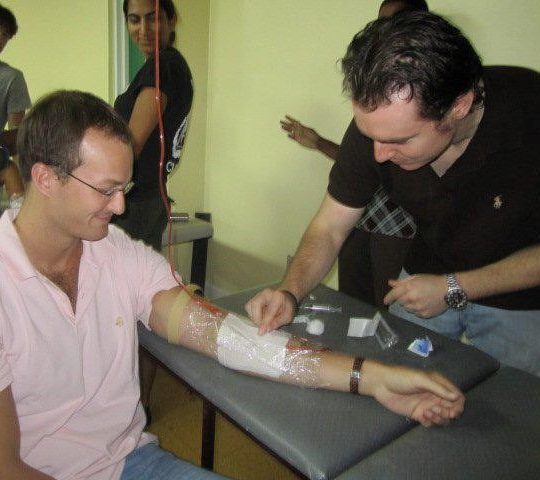
Learning to do IV placements using self-designed, mock equipment and the understanding of the importance of improvisation, flexibility and limited resources.
Knowledge of how to operate medical equipment
Knowledge of how to operate medical equipment without support staff is beneficial.

In response to the growing interest and need for physicians in underserved global populations, there has been an increase in funding opportunities.Prior to embarking into unknown territory and patient scenarios, it is recommended that a physician’s own resources are known, including potential health risks, and that support systems are in place in order to maintain a mental and physical balance to provide care where it is desperately needed. Culture shock, grief and sadness, personal debriefing and reflection, and adjusting to life back home is an additional element to tend to.

neonatal care and pediatric care
There is a great need for neonatal care and pediatric care on a global scale. Experience with these patients will be an asset in the field.

Outreach, Education, Research, Mentorship

The opportunity to provide preventative and screening information directly to patients through clinics and to physicians at training sessions allows for direct two-way communication, clarity and the sharing of knowledge bases. Additional outreach at clinics and mobile health units often add to the overall value and maximizes a physician’s ability to provide outreach and education. Furthermore, opportunities may exist for collaborations with clinicians and scientists as well as health policy advisors. Although the notion of global health has attracted the fad of medical tourism and entails a certain novelty of volunteering abroad, emergency physicians have a great opportunity to make a lasting difference on the lives of their patients as well as those of international colleagues who are either interested in practicing in North America(6) or who will stay with the communities and health systems they are in. Therefore, building and fostering a network of connections for the future is an important and positive outcome, with the potential to provide up to date journal articles, resources to evidence-based medicine and free online medical education, and can allow you to incorporate global health initiatives and outreach back home. At the end of the day, physicians who are driven to extend their medical knowledge and clinical skills into regions with a desperate need for health care and vulnerable patient populations are often those who have made the commitment to serve as an emergency physician.

Basic wilderness training
Basic wilderness training with a focus here on evacuating an injured victim in remote communities (here in northern Nunavut, Canada).
positive lasting impacts on youth.
Global outreach and international medicine opportunities can include taking the time to travel out of the clinic and visit schools to train and share knowledge with younger students. Creating interest and awareness can have a positive lasting impacts on youth.
Youth often appreciate visits to their schools
Youth often appreciate visits to their schools, and their interest in health care, medicine, prevention can be highlighted with education in emergency services, as well as through games and storytelling.

The experience of a global project and working in a clinic on an international scale enables EM physicians and students from all levels of training to provide care in emergent situations from disaster and humanitarian relief to outreach clinics. For physicians and students who opted to pursue medical education in a global setting, as an international graduate or for North American physicians who thrive on global health and international outreach, the experiences are unlike those in North America, and there is an abundance of personal and professional learning and development to gain. Experiences outside of comfort zones, whether in rural America or overseas, create a global community to better medical practices and often advocacy for health care continues long after a global project has concluded.

The Model of the teaching hospital, which links research to teaching and service is what's missing in global health

This article touched on the advantages and benefits of stepping outside comfort zones to provide medical care to vulnerable patient populations, and a follow up to this article will be how to overcome the challenges and barriers that physicians may encounter. Have you participated in a global health project or international outreach? Please feel free to share your own thoughts and reflect on your experiences in the comments section below.

A Piton climb for the view, St Lucia.
A Piton climb for the view, St Lucia. Medical outreach and travel is a demanding endeavor, however quiet moments to enjoy the process and experiences will make it a rewarding one.

Additional Reading and Resources

  • What is International Emergency Medicine? Academic Life in Emergency Medicine – link
  • International Emergency Medicine Section, American College of Emergency Physicians – link
  • The Practitioner’s Guide to Global Health, American College of Emergency Physicians – link
  • US Residents: Discover the World with Emergency Medicine, Emergency Medicine Residents Association – link
  • Fellowship Database, Society for Academics Emergency Medicine – link

Link To References

[cite]

You may like to read these articles too

Cellulitis – Clinical Image and Ultrasound

cellulitis

Case Presentation

A 45-years-old male with a week history of right leg swelling and redness presented to the ED. He has type II DM and hypertension. He denies fever; however, complaints about burning pain over the skin. Vitals were 156/98 mmHg blood pressure, 98 beats per minute heart rate, 16 respiration per minute, 36.7 degrees Celsius temperature and 98% oxygen saturation in room air. Physical exam revealed erythema over the right medial lower leg and calf area (images). Minimally painful with palpation. The area was hot compared to the left leg. Other examination findings were unremarkable.

Cellulitis 2

Cellulitis 1

Patients with red, swollen, painful leg may have very severe problems such as necrotizing fasciitis (infection involving muscular fascia) or infections involving muscles with or without gangrene. The patients having these infections are generally ill-looking, severely painful, and may have subcutaneous crepitations. Therefore, we should be aware of these red flags. This patient has no sign of crepitations, systemic illness, or severe pain.

Lipodermatosclerosis is chronic erythema. Patients show exacerbations because of vascular insufficiency (venous). It can be bilateral or unilateral. One of the discriminative findings from cellulitis is temperature over the lesion. Lipodermatosclerosis is not hot. In the case, the palpation showed warm skin compared to the left side.

Erysipelas is superficial and its’ borders are very sharp. The lesion is fluffy compared to the skin around the lesion. In the case, some areas of the skin were found a little bit raised compared to surrounding structures. However, its’ borders were not well-demarcated.

Other differentials are burns, contact dermatitis, urticaria, etc.

Bedside ultrasound imaging can help to identify cellulitis, abscess, foreign body, fracture, etc. Cobblestone finding is a typical finding for cellulitis.

Bedside ultrasound imaging was performed with Butterfly iQ with soft tissue settings. Cobblestone finding was found in the erythematous areas. This is a nonspecific finding and can be seen many different soft tissue infections. There were no gas/air artifacts (necrotizing fasciitis) or obvious abscess formation. However, there was a minimal fluid accumulation, which creates a suspicion of an abscess. In the case, there was no air artifact. However, x-rays can also help to show air accumulation in soft tissues.

An Example for Necrotizing Fasciitis

The ultrasound investigation in this video shows the air (white) artifacts in the soft tissue.

X-ray Image Showing Subcutaneous Air in Necrotizing Fasciitis

Case courtesy of Dr Matt Skalski, Radiopaedia.org. From the case rID: 25026

For mild uncomplicated patients – dicloxacillin, amoxicillin, and cephalexin are common choices.

If the patient has a penicillin allergy – clindamycin or a macrolide (clarithromycin or azithromycin) can be used.

Fluoroquinolones should be reserved for gram-negative organisms’ sensitivity defined by culture results because of their additional toxicity risks.

For more antibiotic options and explanations, please visit – here

The patients with co-morbidities compromising immune response, periorbital or perianal locations, unable to tolerate oral medication, deep infections should be admitted.

References and Further Reading

  • Loyer EM, DuBrow RA, David CL, Coan JD, Eftekhari F. Imaging of superficial soft-tissue infections: sonographic findings in cases of cellulitis and abscess. AJR Am J Roentgenol. 1996 Jan;166(1):149-52. PubMed PMID: 8571865.
  • Shyy W, Knight RS, Goldstein R, Isaacs ED, Teismann NA. Sonographic Findings in Necrotizing Fasciitis: Two Ends of the Spectrum. J Ultrasound Med. 2016 Oct;35(10):2273-7. doi: 10.7863/ultra.15.12068. Epub 2016 Aug 31. PubMed PMID: 27582527.
[cite]

iEM Education Project in 12 Questions

iem edu project interview

Many simultaneous activities are going on inside the iEM Education project. This is one of the reachest platforms for medical students and educators in order to help improving undergraduate emergency medicine. We listed 12 questions and asked the iEM Education Project founder and director. Here are all answers in 8 minutes video. At the end of the video, please do not hesitate to click here to be a contributor.

Rubik’s Cubing an Emergency Room

rubik's cubing

Lush green land and open spaces, fresh air that reminds us of how artificial our all-natural room fresheners smell, and quiet nights decorated with twinklings of a starry sky and the musical buzz of crickets. That is how most would imagine a village. Few of these imaginations remain borrowable if anyone were to engage in the same exercise in regards to an ER in the village. For starters, nights aren’t as quite, color and smell changes depending on what patient you are treating that day and the space of the room shrinks in proportion to the distance you traveled to reach that village.

Former Emergency Setup at Beltar PHC

Two years ago, when I was posted at Beltar Primary Health Care Center (PHC), little did I know that a sparsely populated village’s abundance of space rarely follows through to the emergency room. The obvious lack of infrastructure is, of course, the major problem. In the health system of Nepal, emergency services are designed to be provided at the hospital level. However, keeping the need for emergency services in mind, health workers in the rural areas are left to run makeshift ERs. At our PHC, what was supposed to be the waiting lobby for patients was used for an ER. The lack of a four-walled room meant that the only sense of privacy was provided by the patient’s fumbling awareness owing to intense pain and the physician’s focus completely overwhelmed by trying to be resourceful amidst obvious lack of resources. Hordes of curious onlookers crowding to see what was going on is a common scene in our ER that one would start ignoring after a month or two.

After banging our heads on problems that require far more resources and policies than that within our reach, we are left to take a sensible path – focusing on one small thing at a time and changing it for the better. Today I present to you an incident that inspired us to make an effort into making one such change happen.

A 28-year-old male

Like any on-duty doctor, I found myself rushing to the ER after a call. A 28-year-old male was brought after a sudden loss of consciousness while playing football. We quickly realized that CPR was in order and jumped right at it. Quite literally so, as the arrangement of beds in the ER was such that you could only deliver quality compressions if you are on the patient’s bed.

Elephant in the room

When I asked our paramedic to start bag and mask ventilation, he looked at me in confusion – the bed was placed against the wall and he would have to jump across the patient to provide one. Our nurse had to squeeze her way through the crowd of onlookers to find the needed medication. In the end, all of us were disappointed. Exhausted physically and mentally yet pondering on things we could have done differently, like any other resuscitation team would, after an unsuccessful CPR. After ruminating on the quality of CPR, availability of better equipment, training and all other aspects of a good resuscitation, we finally addressed the elephant in the room.

Bigger space or ...

The most obvious solution of shifting our ER to a bigger space was simply not an option. What we could do was make small changes that could make things a bit better. The nature of problem-solving has to be such that the biggest constraints remain (because we rarely can do anything about them). What is it that a bigger space adds? Big space adds orderliness. As I was pondering on this question, I had an idea that felt like an epiphany. I remembered one of my toys as a kid – a Rubik’s cube. We do not expand our Rubik’s cube to make it orderly. We rearrange it – you get to manipulate the pieces but not the whole cube. Thus, we started the mission of Rubik’s cubing our ER.

Rubik's cube

Rubik's Cubing

We had four beds in our ER. We wanted a separate resuscitation bed with enough surrounding space. We moved all three beds to one side of the room; installed two privacy screens instead of both a door and a wall (sorry onlookers!). We repaired and re-stocked the crash cart, placed each medicine in separate compartments in the drawers and labelled them properly.

Makeshift door using privacy screen
Resuscitation area at Beltar PHC
Crash cart
Crash cart
Labelled medications

A few weeks later, we performed CPR in another patient. The patient was rushed to our resuscitation bed, the privacy screens were drawn and the crash cart pulled near the bed. After we resuscitated the patient, we started the age-old culture of replaying the scene in our head and trying to figure out what else could be done. We obviously came up with a lot, this time too. But in terms of using the available resources, everyone was satisfied that they did the best they could make out of the situation.

Resuscitation will never be easy, but that is the precise reason we need to make it as orderly as possible. People who develop protocols and policies are doing their part. We, at Beltar, tried to do ours.

[cite]

You may like to read these articles too

More articles from Carmina Shrestha

Hepatobiliary US Imaging – Illustrations

hepatobiliary ultrasound

Anatomy Of The Hepatobiliary System

Anatomy of the hepatobiliary system

Indications

Indications for clinicians to perform point-of-care hepatobiliary ultrasound include the evaluation of; abdominal pain, jaundice, sepsis and ascites.

Transducer

The most commonly used positions include; left lateral decubitus and supine position. A low-to medium-frequency (2–5 MHz) curvilinear ultrasound transducer will suffice for most ultrasound examinations of the gallbladder.

curvilinear transducer

Patient positioning

Patient positioning plays a vital role in the hepatobiliary ultrasound examination. Transducer position according to gallbladder; longitudinal and transverse.

Focus Points on Hepatobilary Ultrasound

focus points hepatobilary ultrasound

Patient Position and Transducer Position

Patient Position and Transducer Position​

Normal Hepatobiliary Ultrasound Findings

Normal Hepatobiliary Ultrasound Findings​

Pathological Hepatobiliary Ultrasound Findings

Pathological Hepatobiliary Ultrasound Findings
[cite]

Massive Pneumothorax Without A Tension

massive pneumothorax

Case Presentation

A 24-years-old male with shortness of breath and chest pain presented to the emergency department. He was alert and oriented. Vitals were as follows; BP: 127/65 mmHg, HR: 101 beats per min, RR: 24 breaths per min, T: 37-degree celsius, SatO2: 94%. Physical examination revealed that normal breathing sounds on the left side, but decreased breath sounds on the right side of the chest. No JVD noted. Other examination findings were unremarkable.

Shortness of breath and chest pain started suddenly while he was playing soccer about 30 minutes ago. Since then, shortness of breath and chest pain increased. He has no known medical disease, allergy.

Bedside ultrasound revealed pneumothorax on the right.

Bedside Ultrasound Examination

Above video shows left side B mode ultrasound examination. Investigation was done in lung settings by using Butterfly iQ portable ultrasound. Lung sliding and comet tail artefacts are seen on examination which is normal findings.

Above video shows right side B mode and M-mode ultrasound examination. There is no lung sliding or comet tail artefacts in B mode, and M-mode revealed “barcode sign” which is seen in pneumothorax.

Pneumothorax - US - Lung - M-mode

Image shows “barcode sign” in M-mode examination. 

Bedside Portable Chest X-ray

spontaneous pneumothorax 1 - 18yo male

Bedside portable anteroposterior chest x-ray shows right sided large pneumothorax.

[cite]

Deadly ECG Patterns – 5 Can’t Miss ECG Findings

5 Can’t Miss ECG findings

An average ER physician performs around 100 tasks in an hour and gets interrupted at least every 6 minutes. One of the common interruptions in the ED is a request to “sign off” on an ECG of a patient who has been triaged but not seen by a doctor yet. Therefore, knowing deadly ECG patterns is an essential skill for emergency physicians, residents, as well as medical students who rotate in the emergency department.

Below are five ECG patterns that should raise concerns for red flag conditions.

ECG #1

A 37-years-old female patient presented to the ED with complains of dizziness and generalized fatigue. She was started on ACE inhibitors few months ago and missed her clinic appointments. Her bedside VBG revealed a K+ of 8.1

ECG source - Dr. Smith's ECG blog

The ECG shows severe bradycardia, wide QRS complexes and symmetrically peaked T waves in V2-V5.

Key Take Home Points

Hyperkalemia can present with multiple abnormalities on an ECG, including

  • Tall, peaked T waves with a narrow base (best seen in precordial leads)
  • Progressive flattening and eventually disappearance of P waves
  • Wide QRS complexes
  • Bradyarrhythmias (sinus bradycardia, slow AF, second and third-degree AV blocks)
  • Sine wave appearance (pre-terminal rhythm)
  • Endgame: Ventricular fibrillation

Always consider the diagnosis of hyperkalemia in a patient with a history of dialysis, renal failure, or treatment with drugs like ACE inhibitors, ARBs, spironolactone especially if the ECG shows bradycardia or complete heart block.

ECG #2

A 56-years-old patient presented to the ED with lightheadedness and dizziness. Initial vitals showed hypotension and tachycardia.

ECG source - Dr. Smith's ECG blog

The above ECG shows low voltage, lectrical alternans: the beat-by-beat R-wave amplitude changes best appreciated in the precordial leads. A bedside ECHO completed after the initial ECG showed a large pericardial effusion.

Key Take Home Points

Massive pericardial effusion can produce a triad of:

  • Low QRS voltage
  • Tachycardia
  • Electrical alternans (consecutive, normally-conducted QRS complexes alternate in height)

Consider the possibility of pericardial effusion and a potential impending cardiac tamponade in patients with electrical alternans on ECG.

ECG #3

A 65-years-old patient was brought to the ED by family members in a disoriented state. Further history revealed that the patient was taking digoxin as one of his regular medications. His serum digoxin level was 2.7 ng/ml.

ECG Source - learntheheart.com

The above rhythm strip shows atrial tachycardia with 2:1 AV block.

Key Take Home Points

Always have a high suspicion of digoxin toxicity in a patient taking digoxin presenting with the disoriented state.

Digoxin toxicity can cause a wide variety of arrhythmias. It is classically associated with supraventricular tachycardias but a slow ventricular response (e.g.: atrial tachycardia with high-grade AV block).

The other common rhythms include:

  • Regularized atrial fibrillation (AF with complete heart block + accelerated junctional escape rhythm which produces a paradoxically regular rhythm)
  • Bidirectional VT (polymorphic VT with QRS complexes alternating between LBBB and RBBB morphology)

Digoxin toxicity should be separated from the normal digoxin effect that can occur in patients taking the expected dose of digoxin. The digoxin effect (image below) includes sagging ST-segment depression, abnormal T waves (flat, inverted or biphasic) and a short QT.

ECG source - Dr. Smith's ECG blog

ECG #4

A 45-years-old patient presented to the ED with a history of severe central chest pain lasting about 10 – 15 minutes. Cardiac enzymes were negative. However, with the above ECG findings, the patient was sent to the Cath lab and subsequent coronary angiography revealed proximal LAD artery occlusion.

By Jer5150 - Own work, CC BY-SA 3.0, https://commons.wikimedia.org/w/index.php?curid=19598089

The above ECG shows deep T wave inversions in precordial leads. This is known as the Wellen’s sign.

Key Take Home Points

Wellens syndrome is a pattern of deeply inverted or biphasic T waves in V2-V3 which is highly specific for critical stenosis of left anterior descending (LAD) artery.

There are two patterns of T wave abnormality in Wellens syndrome

  • Type A: Biphasic T waves (initially positive and terminally negative)
  • Type B: Deep and symmetrically inverted (Most common type)

Note that patients can be completely pain-free with normal cardiac enzyme levels. Patients are, however, at extremely high risk of anterior wall MI due to the critical LAD stenosis and need appropriate Cardiology consultation and management urgently.

ECG #5

A 17-years-old previously healthy male patient who had one attack of syncope earlier in the day presented to the ED.

ECG Source - Peter Allely - liftl.com

The ECG pattern is diagnostic of Brugada syndrome – coved shaped ST-elevation > 2mm followed by an inverted T wave seen in V1 and V2.

Key Take Home Points

Such finding is very serious in a patient with a recent episode of unconsciousness.

The suspicion of Brugada syndrome must be confirmed or excluded by an urgent consultation with a cardiologist.

Conclusion

ECGs in isolation are usually not enough to make a diagnosis – always correlate with clinical history and/or confirmatory investigations.

Try looking at as many ECGs as possible to improve your skills of pattern recognition and picking up subtle changes in ECGs.

[cite]